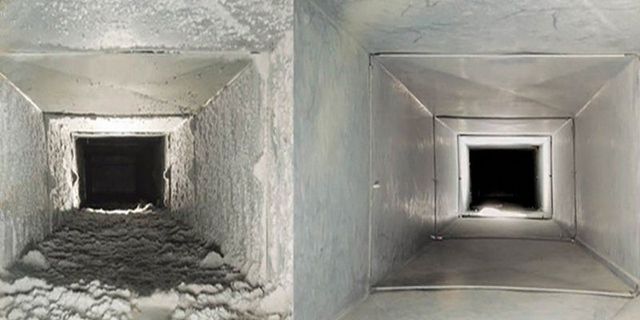
Air Duct Cleaning in Deerfield Beach: Understanding the Process
Air duct systems are a critical part of maintaining comfort in homes throughout Deerfield Beach. With air conditioning running most of the year, cooled air continuously circulates through ductwork, carrying not only conditioned air but also dust, humidity, and airborne particles. Over time, these materials can accumulate inside ducts, affecting airflow, indoor air quality, and HVAC efficiency.
Understanding how air duct cleaning works and why it matters helps homeowners maintain healthier indoor environments and protect their HVAC systems from unnecessary strain.
What Air Duct Cleaning Means
Air duct cleaning is the process of removing dust, debris, and contaminants from the ductwork that distributes air throughout a home. This includes supply ducts, return ducts, vents, and sometimes components of the air handler system.
Because duct systems are usually located in attics, ceilings, or walls, buildup often occurs without homeowners realizing it. Dust, insulation particles, and moisture can gradually collect inside ducts, reducing airflow and potentially contributing to odors.
Professional duct cleaning focuses on restoring clean airflow and addressing conditions that allow contamination to develop.
Why Duct Contamination Is Common in Deerfield Beach
Deerfield Beach’s coastal climate creates conditions that make duct contamination more likely. High humidity, heavy seasonal rains, and frequent AC operation all contribute to moisture buildup in attics and duct systems.
Several local factors increase the risk of duct problems:
- Continuous air conditioning use
- Humid attic environments surrounding ductwork
- Condensation forming on cold duct surfaces
- Aging duct insulation
- Dust entering return ducts
- Poor attic ventilation
Homes in nearby Lighthouse Point, Pompano Beach, and Coconut Creek often experience similar conditions due to shared climate patterns across Broward County.
Common Signs That Duct Cleaning May Be Needed
Air duct contamination often develops gradually. Homeowners may first notice subtle changes in indoor comfort or air quality.
Typical warning signs include:
- Musty or stale odors when the AC runs
- Dust buildup around vents or registers
- Uneven airflow in certain rooms
- Rooms that take longer to cool
- Increased indoor humidity
- Dark residue near vent covers
These signs often indicate that dust, debris, or moisture may be accumulating inside the duct system.
Hidden Sources of Duct Problems
Many duct issues originate in areas that are rarely inspected. Attics are one of the most common locations where contamination begins, especially when ventilation is limited or insulation becomes damp.
Other hidden sources include:
- Roof leaks affecting attic ductwork
- Small gaps or leaks in duct joints
- Dust entering return ducts from attics
- Clogged AC drain lines increasing humidity
- Worn insulation shedding particles
Because these issues often develop out of sight, professional inspections are often necessary to identify the root cause.
Why DIY Duct Cleaning Is Usually Ineffective
Homeowners sometimes attempt to clean vents or vacuum around registers, but this only removes surface dust. Most debris remains deep inside the duct system, beyond the reach of household equipment.
Professional duct cleaning uses specialized tools designed to reach long sections of ductwork and remove contaminants without spreading dust into living areas. Cleaning ducts without addressing moisture or ventilation problems may also lead to recurring buildup.
Step-by-Step Process of Professional Air Duct Cleaning
Understanding the cleaning process helps homeowners know what to expect during a professional service.
Step 1: Inspection of the Duct System
The process begins with an inspection to evaluate duct condition, airflow, and possible moisture issues. Attics, vents, and return ducts are examined to determine how much buildup is present.
Professionals familiar with Broward County homes understand how humidity and coastal weather affect duct systems. Specialists experienced in local conditions, including teams such as Pompano Mold Inspection and Testing, often recognize patterns of condensation and debris common in South Florida homes.
Step 2: Preparing the System
Vents and registers are prepared to prevent dust from spreading during cleaning. This step helps keep indoor areas clean while debris is removed from the ductwork.
Step 3: Debris Removal
Specialized equipment removes dust, dirt, and particles from the interior surfaces of ducts. This process helps restore airflow and remove contaminants that may contribute to odors or reduced efficiency.
Step 4: Inspecting Duct Condition
After cleaning, technicians check ducts for leaks, damaged insulation, or moisture issues. Identifying these problems helps prevent contamination from returning.
Step 5: Airflow Testing
The system is tested to ensure proper airflow and ventilation after cleaning. Improved airflow often results in more consistent cooling and better system efficiency.
Moisture and Mold Risks in Duct Systems
Moisture inside ducts can create conditions where mold begins to grow, particularly when dust and organic particles are present. Mold may develop inside insulation or on interior surfaces if humidity remains high.
If mold is discovered, removal and remediation may be necessary. This process typically involves cleaning affected areas, drying materials, and correcting the moisture source to prevent recurrence.
Water Damage and Ductwork
Duct contamination is sometimes linked to water damage. Roof leaks or attic moisture may drip onto duct insulation, allowing damp conditions to persist.
Water damage repair may involve:
- Drying attic materials
- Replacing wet insulation
- Repairing ceilings affected by condensation
- Cleaning and restoring affected areas
Proper drying helps protect both duct systems and structural materials.
Indoor Air Quality Benefits of Duct Cleaning
Air ducts circulate air throughout a home, so their condition directly affects indoor air quality. When ducts contain dust or damp debris, these particles can be distributed into living spaces.
Duct cleaning helps:
- Reduce airborne dust and particles
- Eliminate musty odors
- Improve airflow efficiency
- Support balanced humidity levels
These improvements contribute to a more comfortable indoor environment.
How Homeowners Can Prevent Future Duct Problems
Preventive maintenance is one of the most effective ways to reduce duct contamination in Deerfield Beach homes.
Practical steps include:
- Replacing AC filters regularly
- Scheduling periodic HVAC inspections
- Inspecting attics for moisture or leaks
- Maintaining roof and flashing
- Ensuring proper attic ventilation
- Monitoring indoor humidity levels
Routine maintenance often prevents small issues from becoming larger repairs.
Why Local Experience Matters
Air duct cleaning and moisture control in coastal South Florida require an understanding of local climate conditions and construction methods. Homes in Deerfield Beach experience high humidity, heavy seasonal rains, and frequent AC operation.
Professionals with local experience understand:
- How attic temperatures affect condensation
- Where moisture commonly accumulates in local homes
- How humidity influences drying times
- How storm conditions affect ventilation and airflow
This knowledge helps ensure duct cleaning addresses the root cause of contamination rather than just surface debris.
A Practical Approach for Homeowners
Air duct cleaning is an important part of maintaining indoor air quality and HVAC efficiency in Deerfield Beach homes. Recognizing warning signs early, scheduling inspections, and addressing moisture problems promptly help prevent odors, mold growth, and reduced airflow.
Homeowners who maintain their HVAC systems and monitor humidity levels protect both indoor comfort and the long-term condition of their homes. When professional evaluation is needed, experienced local specialists such as Pompano Mold Inspection and Testing can help identify duct issues and recommend practical solutions tailored to homes in Deerfield Beach and surrounding Broward County communities.
Images