
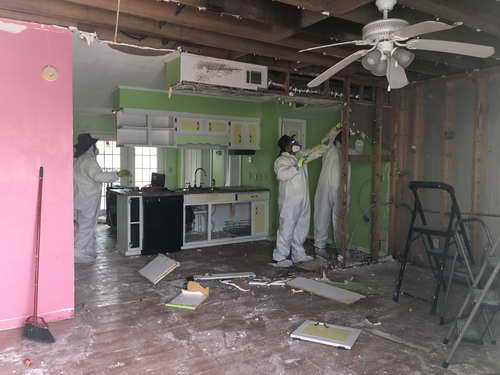
Black Mold Removal Services in Lighthouse Point After Flooding: Warning Signs and Prevention Tips
Flooding in Lighthouse Point rarely ends when the water goes away. Even after visible water is removed and surfaces appear dry, moisture often remains trapped inside walls, flooring, insulation, and HVAC systems. In South Florida’s warm, humid climate, that lingering moisture creates ideal conditions for black mold to develop—often quietly and out of sight.
Black mold removal after flooding is not about panic or worst-case assumptions. It’s about understanding how mold behaves after water intrusion, recognizing early warning signs, and taking the right steps to remove mold properly while preventing it from coming back. This guide explains what homeowners in Lighthouse Point should know about black mold after flooding, how professional removal works, and what practical steps help reduce future risk.
How Flooding Leads to Black Mold in Lighthouse Point Homes
Black mold does not require extreme flooding to grow. It only needs moisture that stays long enough. After flooding, many materials in a home remain damp even when they look dry on the surface.
Flooding commonly introduces moisture into:
- Drywall and wall cavities
- Flooring and subfloors
- Baseboards and trim
- Attic insulation and roof decking
- HVAC ductwork and air handlers
In Lighthouse Point, high humidity slows drying and keeps these materials damp longer. When moisture remains for extended periods, mold spores naturally present in the environment can begin to grow and spread.
Why Lighthouse Point Homes Are Especially Vulnerable After Flooding
Several local conditions make black mold more likely after flooding in Lighthouse Point:
- Coastal humidity that slows evaporation
- Warm temperatures that support mold growth
- Flat terrain that allows water to linger
- Homes built close to canals or water sources
- Attics and wall cavities with limited airflow
Even minor flooding or storm-related water intrusion can leave behind enough moisture to trigger mold growth if not addressed properly.
Early Warning Signs of Black Mold After Flooding
Black mold does not always appear immediately or in obvious places. Homeowners often notice indirect signs first.
Persistent Musty Odors
A strong, earthy or musty smell that lingers after flooding is one of the most common early indicators. These odors often worsen when the AC runs.
Discoloration on Walls or Ceilings
Dark spots, streaks, or staining—especially near baseboards or ceilings—can indicate mold developing beneath the surface.
Peeling Paint or Bubbling Drywall
Moisture trapped behind walls causes materials to separate and warp, often alongside mold growth.
Increased Indoor Humidity
If the home feels damp or sticky long after flooding cleanup, moisture may still be present inside materials.
Allergy-Like Irritation Indoors
Some homeowners notice increased irritation indoors compared to outdoors, which can coincide with mold growth after flooding.
Ignoring these signs allows mold to spread further and makes removal more difficult later.
Hidden Areas Where Black Mold Often Grows
After flooding, black mold commonly develops in areas homeowners rarely inspect:
- Inside wall cavities
- Behind baseboards and cabinets
- Beneath carpet and padding
- Inside attic insulation
- Around HVAC ducts and returns
- Under flooring materials
Because these areas are hidden, mold can grow for weeks or months before becoming visible.
Why Surface Cleaning Is Not Enough
Many homeowners attempt to handle mold by cleaning visible areas with household products. While this may remove surface staining, it does not address the root problem.
Surface cleaning fails because:
- Mold often grows behind walls and under floors
- Moisture sources remain uncorrected
- Mold spores spread during improper cleaning
- Hidden growth continues unnoticed
True black mold removal requires addressing both the mold and the moisture that caused it.
How Professional Black Mold Removal Works After Flooding
Professional black mold removal follows a structured process designed to protect the home and prevent recurrence.
Inspection and Moisture Detection
The process begins with a detailed inspection of flood-affected areas. Moisture detection tools help locate damp materials that are not visibly wet.
Containment and Air Control
Containment prevents mold particles from spreading to unaffected areas during removal. HEPA filtration may be used to maintain clean indoor air.
Removal of Mold-Affected Materials
Materials that cannot be safely cleaned—such as heavily contaminated drywall or insulation—are removed and disposed of properly.
Detailed Cleaning and Treatment
Remaining structural components are carefully cleaned and treated to remove residual mold and reduce the chance of regrowth.
Moisture Correction
The most important step is correcting moisture issues. This may involve water removal, structural drying, ventilation improvements, or HVAC moisture repairs.
The Role of Flood Restoration in Mold Prevention
Flood restoration and black mold removal are closely connected. Proper flood restoration helps prevent mold by removing moisture before mold has time to grow.
Effective flood restoration includes:
- Extracting trapped water
- Drying walls, floors, and insulation thoroughly
- Reducing indoor humidity levels
- Verifying that materials are truly dry
When flood restoration is incomplete or delayed, black mold risk increases significantly.
HVAC Systems and Black Mold After Flooding
HVAC systems often play a hidden role in post-flood mold problems. In Lighthouse Point homes, ductwork and air handlers may be exposed to moisture during flooding or from humid attic air afterward.
Common HVAC-related mold risks include:
- Wet duct insulation
- Condensation on ductwork
- Clogged condensate drain lines
- Musty odors when the AC runs
Black mold removal may involve inspecting air ducts and recommending air duct cleaning or AC moisture repairs to prevent ongoing contamination.
Prevention Tips for Homeowners After Flooding
Preventing black mold after flooding requires early action and consistent moisture control.
Helpful prevention steps include:
- Addressing flooding and water intrusion immediately
- Scheduling professional water removal and drying
- Avoiding cosmetic repairs until moisture is ruled out
- Monitoring indoor humidity levels
- Inspecting attics and hidden areas after floods
- Maintaining HVAC systems and drain lines
Early response significantly reduces the likelihood of mold development.
Why DIY Mold Removal Can Make Things Worse
DIY mold removal after flooding often spreads mold rather than eliminating it.
Common DIY mistakes include:
- Scrubbing without containment
- Ignoring moisture sources
- Using fans that spread spores
- Assuming visible mold is the only issue
Professional removal focuses on controlled containment, proper drying, and long-term prevention.
Why Local Experience Matters in Lighthouse Point
Black mold removal in Lighthouse Point is different from mold removal in drier climates. Local experience matters because professionals familiar with the area understand how coastal humidity, flooding patterns, and home construction affect mold behavior.
Teams serving Lighthouse Point, Pompano Beach, Deerfield Beach, Margate, Coconut Creek, North Lauderdale, Lauderdale-by-the-Sea, and Fort Lauderdale recognize where flood-related mold typically hides. Pompano Mold Inspection and Testing applies this local knowledge to black mold removal projects, focusing on accurate detection and practical prevention.
A Calm, Homeowner-Focused Next Step
If your Lighthouse Point home experienced flooding, black mold removal is not about assuming the worst—it’s about confirming whether moisture created conditions for mold and addressing it before it spreads.
A professional inspection and proper mold removal help protect your home, preserve indoor air quality, and prevent costly repairs later. In a humid coastal environment, early action after flooding is one of the most effective ways to keep black mold from becoming a long-term problem.
