

Black Mold Removal Solutions for Homes in Lighthouse Point: Common Causes and Solutions
Homes in Lighthouse Point face unique moisture challenges that make black mold a recurring concern for many property owners. With its coastal location, high humidity, and frequent storms, moisture can enter a home in subtle ways and remain trapped long enough for mold to develop. Black mold is rarely the first problem noticed. It is usually the visible result of moisture that has been present for weeks or even months. Understanding why black mold forms in Lighthouse Point homes and how proper removal works helps homeowners address the issue correctly and reduce the chance of repeat problems.
In coastal South Florida communities like Lighthouse Point, black mold issues tend to develop quietly. By the time mold is visible, moisture has often already spread into surrounding materials.
What Black Mold Really Is
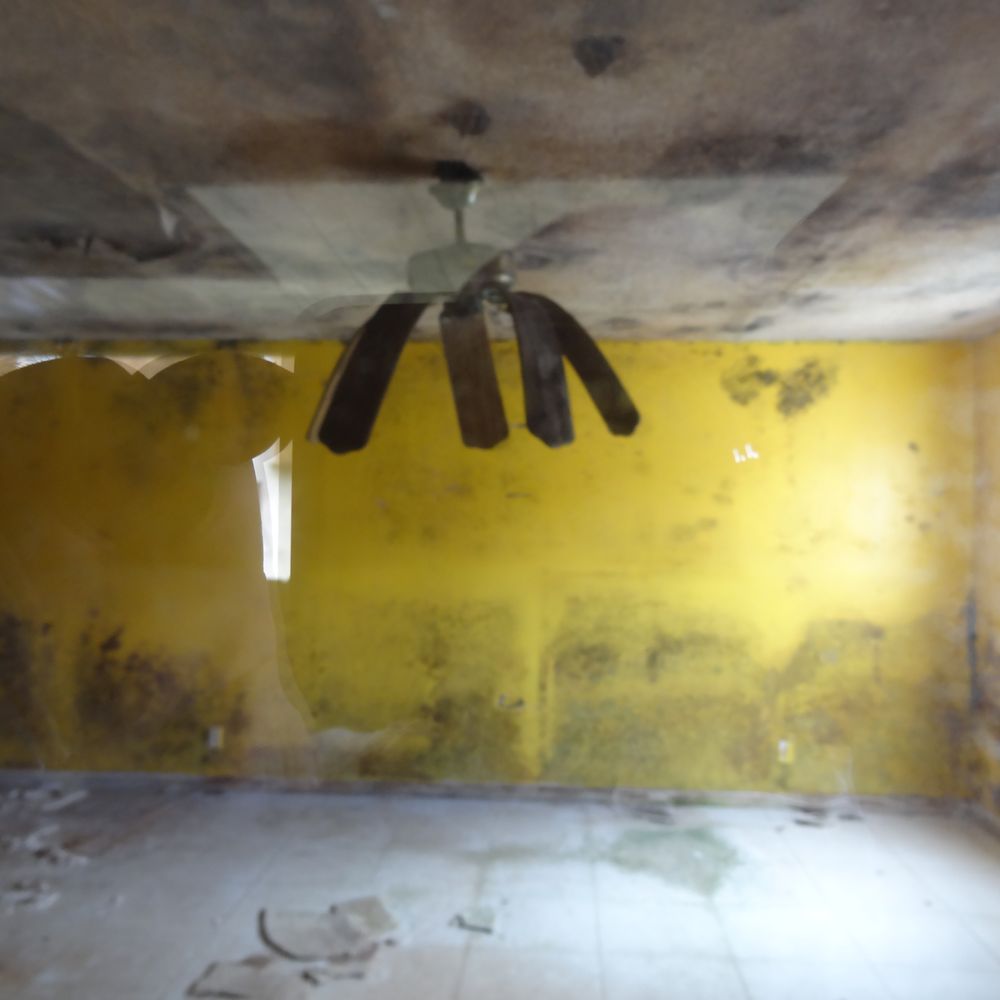
Black mold is a type of mold that thrives in damp, low-ventilation environments. It commonly appears dark green or black and grows on porous materials such as drywall, wood framing, insulation, carpet, and ceiling materials. These materials absorb moisture easily and provide an ideal surface for mold growth when conditions remain wet.
Black mold does not form overnight. It develops when moisture is allowed to linger without proper drying. In many Lighthouse Point homes, mold growth occurs behind walls, under flooring, or inside ductwork long before it becomes visible on surfaces.
Why Black Mold Is Common in Lighthouse Point Homes
Lighthouse Point’s coastal environment plays a major role in black mold issues. High humidity levels are present most of the year, and salt air adds additional moisture stress to building materials. Frequent rainstorms and wind-driven rain increase the risk of water intrusion through roofs, windows, doors, and exterior walls.
Air conditioning systems are another major contributor. In South Florida, AC units run almost constantly. Condensation from clogged drain lines, sweating coils, or leaking ductwork can introduce moisture into walls and ceilings. These issues are common throughout nearby areas such as Pompano Beach, Fort Lauderdale, and Lauderdale-by-the-Sea.
Slab foundations, which are common in Broward County, can also allow moisture to migrate upward from the ground, affecting flooring and baseboards without an obvious plumbing leak.
Common Signs Homeowners Notice
Many homeowners first become aware of black mold through indirect signs. A persistent musty or earthy odor is often the earliest clue, especially in closets, bathrooms, or rooms with limited airflow. Discoloration on walls or ceilings, peeling paint, or bubbling drywall may also appear.
Other warning signs include mold spots that return after cleaning, warped baseboards, or flooring that feels soft or uneven. Increased indoor humidity or condensation on vents and windows can also indicate moisture conditions that support mold growth.
Hidden and Overlooked Causes of Black Mold
Some of the most serious black mold problems start in areas that are rarely inspected. Slow plumbing leaks inside walls, under sinks, or beneath slab foundations can go unnoticed for long periods. Even a small, steady leak can saturate surrounding materials and create ideal conditions for mold.
AC drain line leaks in attic spaces are another common source. Moisture can soak insulation and ceiling materials without immediately affecting living areas. Roof leaks after storms may allow water to enter and travel along framing before showing up far from the original entry point.
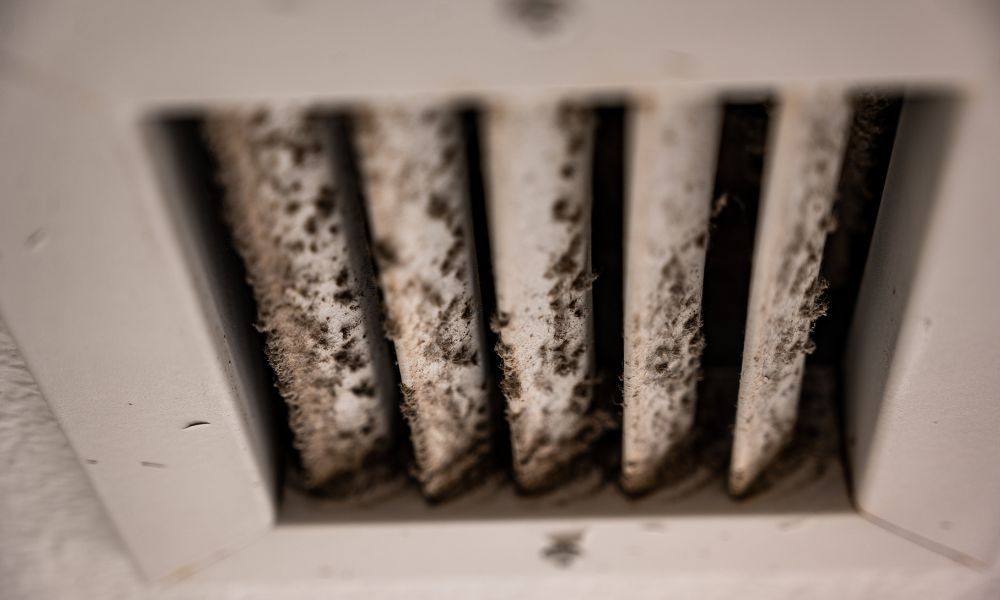
Air ducts are also a frequent problem area. Condensation inside poorly insulated ductwork can introduce moisture and spread mold particles throughout the home.
Why DIY Black Mold Removal Often Fails
Many homeowners attempt to remove black mold themselves using household cleaners or store-bought products. While this may remove visible mold temporarily, it rarely solves the underlying problem. Mold often grows beneath surfaces or inside porous materials that cannot be fully cleaned.
Scrubbing surface mold without addressing moisture can spread mold particles to other areas of the home. Without identifying and correcting the source of moisture, mold growth is likely to return, sometimes in new locations. DIY methods often lead to repeated cleanups rather than lasting solutions.
Professional Black Mold Inspection and Testing
Effective black mold removal begins with proper inspection. A professional mold inspection focuses on identifying where mold is present and why it developed. Moisture detection tools are used to locate damp areas inside walls, ceilings, floors, and duct systems without unnecessary demolition.
In Lighthouse Point homes, inspections often include bathrooms, kitchens, AC systems, attics, exterior walls, and areas near windows and doors. Mold inspection and testing may be used to confirm hidden mold growth and guide the remediation process.
This step ensures that remediation targets the full extent of the problem, not just visible mold.
Proper Black Mold Removal and Remediation Process
Professional black mold removal follows a structured and controlled process. Affected areas are isolated to prevent mold from spreading during removal. Contaminated materials such as drywall, insulation, carpet, or baseboards are removed when they cannot be safely cleaned.
Remaining surfaces are cleaned using appropriate methods, and moisture levels are carefully controlled. Drying affected areas thoroughly is a critical part of remediation. Without proper drying and moisture correction, mold is likely to return even after thorough cleaning.
Water Damage Repair and Moisture Correction
In many Lighthouse Point homes, black mold is directly linked to water damage. Past leaks, unnoticed plumbing issues, or storm-related water intrusion often leave moisture trapped inside building materials.
Water removal and repair services focus on extracting moisture, drying materials, and correcting the source of water intrusion. Addressing these issues is essential for successful mold remediation and long-term prevention.
AC Systems, Air Ducts, and Black Mold
Air conditioning systems and ductwork play a significant role in black mold problems. Condensation inside ducts, dirty coils, or restricted airflow can introduce moisture and spread mold throughout the home.
Air duct cleaning and AC-related moisture repairs help reduce mold risk and improve indoor air quality. Proper insulation, sealed ductwork, and routine maintenance are especially important in coastal homes where humidity levels remain high.
Preventing Black Mold in Lighthouse Point Homes
Prevention focuses on controlling moisture before mold can develop. Regular AC maintenance, clearing drain lines, and repairing plumbing leaks promptly help reduce moisture buildup. Improving ventilation in bathrooms, kitchens, and laundry areas also makes a difference.
After heavy rain or storms, inspecting attics, ceilings, and exterior walls allows water intrusion to be addressed early. Early action often prevents the need for extensive mold remediation later.
Why Local Experience Matters
Black mold removal in Lighthouse Point requires an understanding of coastal conditions. Florida’s humidity, salt air, and construction styles all influence how moisture and mold behave inside a home. Local experience helps professionals identify common problem areas and apply effective solutions.
Pompano Mold Inspection and Testing brings that local knowledge to black mold removal, mold inspection, moisture detection, and water-related services throughout Lighthouse Point, Pompano Beach, Fort Lauderdale, Coconut Creek, Deerfield Beach, Margate, and surrounding Broward County communities.
A Calm, Practical Way Forward
Black mold issues can feel overwhelming, but they are manageable with the right approach. Understanding common causes and focusing on proper inspection, moisture control, and professional remediation helps Lighthouse Point homeowners protect their properties. Addressing mold early and correctly reduces repeat problems and supports the long-term condition of coastal homes.
