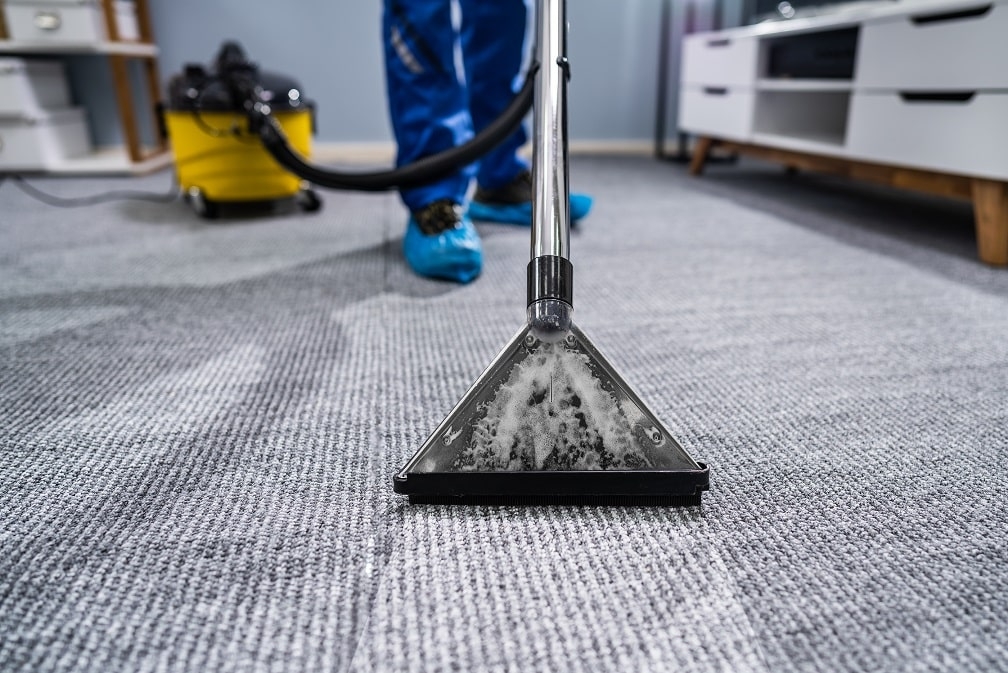
Carpet Cleaning After Water Damage Services in Pompano Beach after Hurricanes: Expert Advice for Homeowners
Hurricanes and tropical storms are a reality for homeowners in Pompano Beach. While wind damage often gets the most attention, water intrusion is usually the issue that causes the longest-lasting problems. Carpets and padding absorb water quickly, and if they are not properly cleaned and dried, they can trap moisture, odors, and mold.
After a storm, many homeowners in Pompano Beach, Lighthouse Point, Deerfield Beach, and nearby Broward County communities face the same question: can the carpet be saved, or does it need to be replaced? Understanding how carpet cleaning after water damage works helps property owners make informed decisions and protect their homes.
What Happens to Carpets After Hurricane Water Damage
Carpet fibers and padding act like sponges. When floodwater or stormwater enters a home, carpets absorb large amounts of moisture within minutes. The padding underneath often becomes saturated first, and because it is dense, it dries very slowly.
Even when the surface of the carpet appears dry, moisture may remain trapped underneath. This hidden moisture creates conditions where mold and bacteria can develop, especially in the warm, humid climate of South Florida.
Proper carpet cleaning after water damage involves removing water, drying the carpet and padding thoroughly, and cleaning the fibers to remove contaminants.
Why Water Damage Is So Common in Pompano Beach After Hurricanes
Homes in Pompano Beach face several factors that increase the risk of carpet water damage during storms:
- Heavy rainfall and storm surge
- Roof leaks caused by wind damage
- Flooding from overwhelmed drainage systems
- Water intrusion through doors and windows
- High humidity slowing the drying process
Coastal communities like Lauderdale-by-the-Sea and Lighthouse Point often experience prolonged humidity after storms, making drying more difficult and increasing the likelihood of mold growth.
Common Signs Carpets Are Affected by Water Damage
Some signs of water damage appear immediately, while others develop over time.
Homeowners often notice:
- Damp or musty odors
- Discoloration or staining on carpet fibers
- Carpet that feels spongy or soft underfoot
- Warping or lifting along edges
- Increased indoor humidity
- Mold spots along baseboards or beneath furniture
These warning signs should never be ignored, as they usually indicate moisture trapped beneath the surface.
Hidden or Overlooked Problems Beneath the Carpet
One of the biggest challenges after hurricane water damage is that the most serious issues are often hidden.
Moisture frequently spreads into:
- Carpet padding
- Subflooring
- Baseboards and drywall
- Nearby closets or wall cavities
If these materials remain damp, mold growth can begin within a short time. Even when carpets look clean, hidden moisture may still be present below.
Why DIY Carpet Drying Often Fails
After a storm, many homeowners try to dry carpets using fans, open windows, or household wet vacuums. While these steps may remove some surface moisture, they rarely dry the padding or subfloor completely.
Without professional extraction and dehumidification, moisture can remain trapped for weeks. This often leads to lingering odors or mold growth that becomes noticeable later.
Another common mistake is shampooing or cleaning carpets before they are fully dried. This can add more moisture and delay proper drying.
How Professional Carpet Cleaning After Water Damage Works
Professional carpet cleaning after hurricane water damage involves several steps designed to remove water and restore safe conditions.
The process usually includes:
- High-powered water extraction to remove standing water
- Lifting carpets when necessary to dry padding and subfloors
- Using air movers to accelerate evaporation
- Running industrial dehumidifiers to remove moisture from the air
- Monitoring moisture levels to ensure complete drying
Once the carpet and underlying materials are dry, deep cleaning removes dirt, contaminants, and odors left behind by stormwater.
Mold Prevention During Carpet Restoration
Mold prevention is a critical part of carpet cleaning after water damage. In the humid climate of Pompano Beach, mold can begin developing quickly if moisture is not controlled.
Proper drying, cleaning, and moisture monitoring help prevent mold growth. If mold is already present, safe removal and remediation steps are required before the carpet can be restored or replaced.
This is especially important in rental properties and homes that remained closed during evacuation, where humidity levels may have risen significantly.
Flood Restoration and Structural Drying
Carpet cleaning is often just one part of a larger restoration process after hurricanes. Water may also affect walls, insulation, flooring, and duct systems.
Flood restoration may include:
- Structural drying of framing and drywall
- Repairing damaged materials
- Cleaning and drying air ducts if moisture entered the system
- Addressing roof or plumbing issues that allowed water intrusion
Homes in Margate, Coconut Creek, and North Lauderdale frequently require similar restoration work after severe storms.
Air Conditioning and Indoor Humidity After Storms
Air conditioning systems play an important role in drying homes after hurricanes. Proper airflow helps remove humidity and speeds up the drying process.
However, AC systems can also contribute to moisture problems if condensate drains are clogged or ducts contain moisture. Inspecting HVAC systems after storm damage helps ensure that humidity is being controlled effectively.
Air duct cleaning is sometimes recommended if floodwater or debris affected ventilation components.
Practical Tips for Homeowners After Hurricane Water Damage
Homeowners can take several steps immediately after a storm to reduce damage:
- Remove standing water as quickly as possible
- Turn on air conditioning to reduce humidity
- Avoid walking on wet carpets unnecessarily
- Move furniture away from damp areas
- Check closets and corners where moisture may collect
- Schedule professional inspection and drying if carpets remain damp
Acting quickly often makes the difference between saving and replacing carpet.
Why Local Experience Matters
Water damage restoration in Pompano Beach requires an understanding of local weather patterns, building materials, and humidity conditions.
Homes in this region often have slab foundations, tile transitions, and attic ventilation patterns that affect how moisture spreads and dries. Professionals familiar with properties in Deerfield Beach, Lighthouse Point, and Fort Lauderdale know where hidden moisture is most likely to remain.
Pompano Mold Inspection and Testing has worked with many homeowners throughout Broward County to locate hidden moisture, clean and restore carpets, and prevent mold after storm damage. Local experience helps ensure that restoration is thorough and effective.
A Practical Next Step for Homeowners
Carpets affected by hurricane water damage should never be ignored. Even if they appear dry, hidden moisture can lead to odors, mold, and long-term structural problems.
Prompt water removal, professional drying, and proper cleaning help protect flooring, maintain indoor air quality, and prevent costly repairs later. Taking action early is one of the most effective ways to restore a home after a storm and keep it safe for the future.