
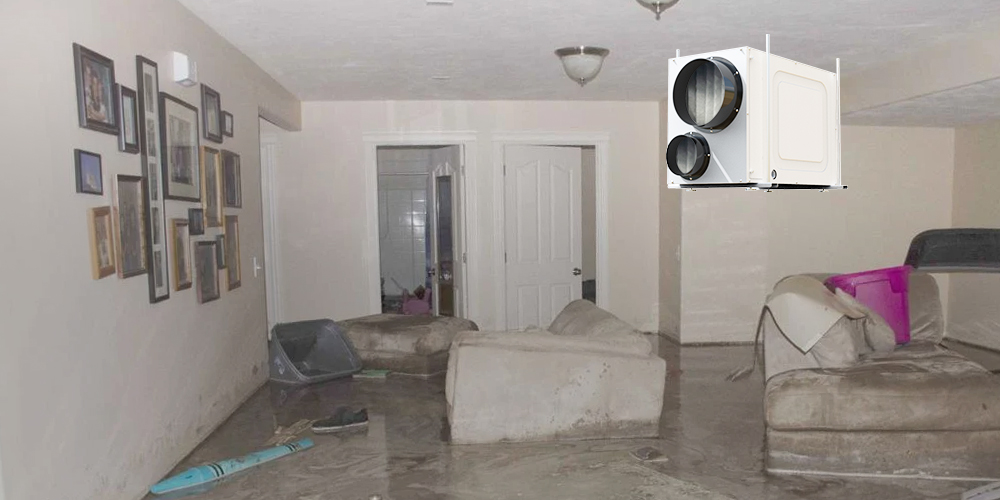
Coconut Creek Home Moisture Control After Storm Damage: What Property Owners Should Know
Storms and heavy rains are a reality in South Florida, and cities like Coconut Creek, FL are particularly prone to heavy rainfall, wind-driven rain, and flooding due to their subtropical climate and low-lying geography. When a storm hits, the immediate concerns are safety and structural integrity, but once the worst has passed, moisture control becomes the most critical factor in protecting your home from long-term damage, mold growth, and indoor air quality problems. Acting quickly and intelligently after storm damage not only preserves your home but also protects the health of your family and tenants.
This guide will walk you through everything property owners should know about moisture control after storm damage — from the first 24 hours to comprehensive restoration and future prevention strategies.
🌀 Why Moisture Control Matters After Storm Damage
When a storm impacts a home, water can enter through roofs, windows, doors, foundations, and even crawl spaces. Once water enters, moisture can linger long after visible water is gone, and that is when the real problems begin:
1. Mold Growth
In Florida’s humid environment, mold can begin to grow in as little as 24 to 48 hours after water exposure if materials remain damp. Mold not only damages building materials but can also trigger allergies, asthma, and other respiratory issues. (Dryout Pro)
2. Structural Damage
Persistent moisture can warp wood, soften drywall, corrode metal fasteners, and weaken structural supports. If left unchecked, what begins as a small leak can compromise entire walls or flooring systems.
3. Reduced Indoor Air Quality
Damp environments promote not just mold but also dust mites and microbial volatile organic compounds (mVOCs), which degrade indoor air quality and can cause health issues over time.
Understanding the urgent need to control moisture sets the stage for effective storm damage recovery.
🛠️ Immediate Steps in the First 24–48 Hours
Once it’s safe to re-enter your property after a storm, time becomes your most valuable resource. Quick action can mean the difference between a manageable cleanup and widespread mold and structural issues.
1. Ensure Safety First
Before doing anything else:
- Confirm the power is safe to be restored (water + electricity is a hazardous combination).
- Wear protective gear like gloves, goggles, and a respirator mask especially if you suspect mold. (Florida Department of Health)
2. Document Everything
Take detailed photos and videos of every affected area — wet walls, ceilings, flooring, furniture, and attic or crawl space conditions. Insurance claims depend heavily on documentation, and in Florida, documented evidence can help justify mitigation and restoration costs. (Louis Law Group)
3. Stop the Water Source
If the water came from a burst pipe or ongoing leak, turn off the main water supply to prevent additional moisture from entering. If stormwater infiltration is still happening due to roof damage or open entry points, consider sandbags or tarps as temporary barriers until professionals arrive.
4. Remove Standing Water
If water is shallow and safe to remove:
- Use wet/dry vacuums, mops, and towels to extract as much water as possible.
- Avoid moving heavy furniture alone or in unsafe conditions.
But if significant flooding has occurred, professional water extraction services with industrial vacuums and pumps might be necessary to prevent further damage. (Protegrity Restoration)
5. Ventilate and Initiate Drying
Once standing water is addressed:
- Open windows and doors if weather conditions permit (i.e., not overly humid outside).
- Use fans, air movers, and dehumidifiers to begin drying out walls, floors, and ceilings.
Industrial-grade dehumidifiers are especially important in Florida’s humid environment to remove moisture from the air and prevent it from re-settling into materials.
🧰 Thorough Drying and Moisture Removal
Drying Must Be Complete
Drying isn’t simply surface-level; moisture often hides behind walls, beneath flooring, inside insulation, and under cabinets. Professional restoration services use moisture meters, thermal imaging, and hygrometers to detect hidden wet spots and monitor progress.
Drying objectives:
- Reduce indoor humidity to below 50% whenever possible.
- Ensure wood, drywall, and insulation are thoroughly dry at all depths.
- Monitor drying progress daily until moisture levels return to normal.
The 48-Hour Rule
Mold begins to colonize porous materials like drywall, wood, and fabrics within 24–48 hours if moisture remains. For this reason, the standard “48-hour rule” is widely followed in restoration: materials must be dried or removed within that window to prevent widespread microbial growth. (Glamazon)
Removing Unsalvageable Materials
Part of controlling moisture is removing materials that cannot be fully dried:
- Water-soaked drywall and insulation
- Carpets with soaked padding
- Upholstery and textiles that stay damp
- Particleboard or fiberboard materials that absorb water
Discarding these materials may seem drastic, but it prevents hidden pockets of moisture where mold thrives.
🧼 Mold Prevention and Remediation
Even with fast drying, mold spores may already be present. Preventing mold requires:
1. Cleaning and Disinfection
Surfaces that have been wet should be thoroughly cleaned with appropriate detergents. Hard surfaces like concrete, tile, and metal can be scrubbed, while porous materials that grow mold often must be removed.
Personal protective equipment (gloves, goggles, respirator) should be used during all mold cleaning. (Florida Department of Health)
2. Inspect HVAC Systems
If water reached the HVAC system, do not run it immediately. Moisture in ductwork or vents can spread mold spores throughout the home when the system is turned on. Inspection and cleaning by HVAC professionals are critical before reactivation. (AdvantaClean)
3. Consider Professional Mold Inspection
Signs of hidden moisture or mold — musty odors, discoloration behind walls, or health symptoms — warrant a professional mold inspection to check air and surface samples to determine if mold remediation is needed.
🧠 Planning for Long-Term Moisture Control
Moisture control is not simply about reacting to damage — it’s also about preventing future problems. These strategies help make your property more resilient:
Proper Landscaping and Drainage
- Ensure yard grading directs water away from the foundation.
- Clean gutters and downspouts regularly so rain flows away from the home rather than pooling around it. (Dryout Pro)
Seal Foundation and Wall Cracks
Small cracks can let moisture enter crawl spaces or basements. Use waterproof sealants or consult a waterproofing contractor to reinforce your home’s exterior.
Maintain Roof and Windows
Storm damage often occurs where roofing materials are compromised. Regularly inspect and repair roof shingles, flashing, and window seals to prevent future leaks.
Sump Pumps and Exterior Drainage Solutions
For homes prone to flooding, installing a sump pump in basement or crawl space areas can be a lifesaver. Exterior French drains and swales can redirect stormwater away from structural components.
🧾 Insurance and Legal Considerations
After storm damage, moisture control and restoration actions intersect with insurance claims and compliance:
Notify Your Insurance Promptly
Florida homeowner policies require timely notice to the insurer. Delays can lead to denied claims or reduced coverage. Document all actions taken, including moisture readings and drying processes, to support your claim. (Louis Law Group)
Flood Insurance is Critical
Standard homeowner policies in Florida often exclude flood damage. If your Coconut Creek property is in a FEMA flood zone, maintaining a National Flood Insurance Program (NFIP) policy is essential. (coconutcreek.gov)
Detailed Documentation Helps
Keep a claim diary with records of all calls, contractors, inspections, invoices, and moisture readings. This documentation is invaluable if disputes arise or if legal action becomes necessary.
🏠 Long-Term Homeowner Checklist
To ensure ongoing moisture control after storm recovery:
✔️ Continually monitor humidity with a hygrometer
✔️ Inspect basements, crawl spaces, and attics quarterly
✔️ Service HVAC and dehumidifiers annually
✔️ Replace weather seals on doors and windows
✔️ Re-grade landscaping every few years
These proactive steps reduce the chances of moisture returning after the next storm season.
📌 Final Thoughts
Moisture control after storm damage is not a one-time cleanup task — it’s a comprehensive process that spans from immediate water removal to long-term property improvement and maintenance. In Coconut Creek’s climate, moisture is one of the most potent threats to home durability and indoor air quality. Prompt action, systematic drying, professional inspections, and preventive measures work together to protect your home, health, and investment.
Want a printable checklist you can use after future storms? Just ask and I can tailor one for Coconut Creek homeowners!
