
Deerfield Beach Flood Restoration After Roof Leaks: How to Prevent Future Damage
Roof leaks are one of the most underestimated causes of flooding inside Deerfield Beach homes. Many homeowners associate flooding with storms, burst pipes, or rising water outside, but a compromised roof can allow significant amounts of water to enter and spread throughout the structure. What begins as a small leak during heavy rain can quickly turn into widespread moisture damage if not handled properly.
In Deerfield Beach and surrounding areas such as Pompano Beach, Lighthouse Point, Lauderdale-by-the-Sea, and Fort Lauderdale, roof leak–related flooding is a frequent issue, especially during Florida’s rainy season. Understanding flood restoration after roof leaks and learning how to prevent future damage helps homeowners protect their property, avoid recurring repairs, and maintain long-term structural integrity.
How Roof Leaks Lead to Indoor Flooding
Roof leaks rarely stay confined to one spot. Water enters through damaged shingles, flashing, vents, or roof seams and then travels along rafters, trusses, and framing. From there, it soaks insulation, pools on ceiling drywall, and runs down interior walls.
By the time water becomes visible inside the home, it has often already spread across a wide area. Insulation above ceilings absorbs water like a sponge, holding moisture against drywall and framing. This slow release of water can create the appearance of ongoing flooding even after the rain has stopped.
In Deerfield Beach’s humid climate, trapped moisture does not dry naturally, making professional flood restoration essential after roof leaks.
Why Roof Leak Flooding Is Common in Deerfield Beach
Deerfield Beach homes are exposed to heavy rain, strong winds, and high humidity for much of the year. Wind-driven rain can force water under shingles or around flashing, even when roofs appear intact. Flat or low-slope roof designs, common in South Florida, are particularly vulnerable to pooling water.
Salt air accelerates wear on roofing materials, fasteners, and sealants, shortening roof lifespan. Older roofs or roofs with multiple past repairs are more likely to develop small gaps that allow water intrusion.
Once water enters the home, high humidity slows drying and increases the likelihood of flood-related damage spreading beyond the original leak.
Early Signs Flood Restoration May Be Needed
Roof leaks do not always cause immediate, obvious flooding. Homeowners may first notice faint stains on ceilings, peeling paint, or a musty odor after heavy rain. These are often early indicators that water has entered and begun spreading.
Other warning signs include sagging ceiling areas, damp insulation smells, bubbling drywall, or water appearing along baseboards or flooring far from the leak source. In some cases, homeowners notice increased indoor humidity or persistent odors even when surfaces appear dry.
These signs indicate that flood restoration, not just roof repair, is needed.
Hidden Damage Caused by Roof Leak Flooding
The most serious damage from roof leak flooding is often hidden from view. Wet insulation loses its effectiveness and remains damp for long periods. Ceiling drywall weakens over time and may eventually collapse if moisture is not removed.
Water traveling inside walls can affect wood framing, electrical wiring, and plumbing components. Flooring systems may be damaged if water reaches lower levels, leading to warping, lifting, or separation.
If moisture reaches HVAC systems or ductwork, it can spread humidity and odors throughout the home. Hidden damage is why flood restoration must go beyond surface drying.
Why Fixing the Roof Alone Is Not Enough
Repairing the roof stops new water from entering, but it does not remove the moisture already inside the home. Many homeowners assume that once the roof is fixed, the problem is solved.
Without proper flood restoration, trapped moisture continues damaging materials. In Deerfield Beach’s environment, this often leads to mold growth, recurring stains, and persistent odors weeks or months later.
Flood restoration addresses what roof repairs cannot by removing moisture, drying materials, and stabilizing indoor conditions.
The Flood Restoration Process After Roof Leaks
Flood restoration after roof leaks follows a structured process. The first step is identifying the extent of water intrusion. Moisture detection tools are used to locate damp areas inside ceilings, walls, insulation, and flooring.
Standing water, if present, is removed using professional extraction equipment. More commonly with roof leaks, the focus is on drying saturated materials rather than removing large volumes of water.
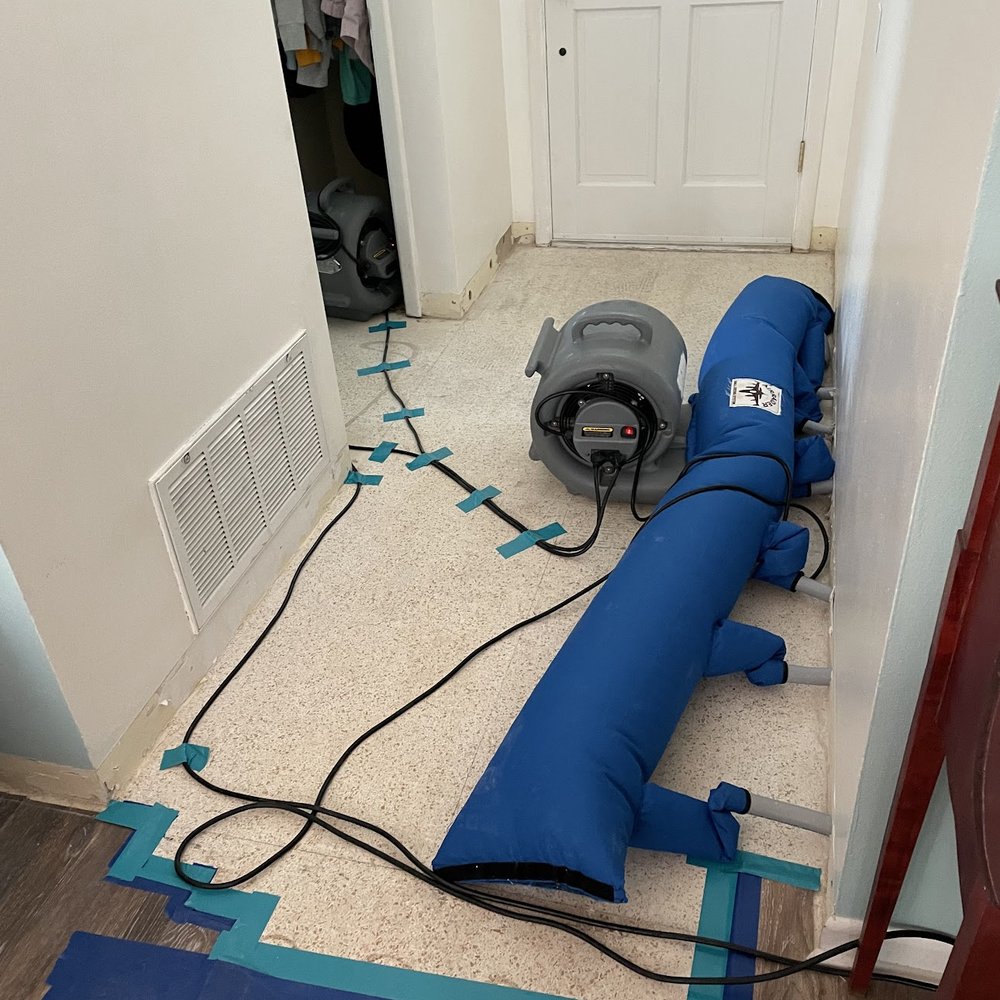
Industrial air movers and dehumidifiers are placed strategically to pull moisture out of building materials and the air. Moisture levels are monitored throughout the process to ensure drying is complete.
Damaged materials that cannot be dried safely, such as severely saturated insulation or compromised drywall, are removed and replaced.
Mold Risks After Roof Leak Flooding
Mold growth is a common secondary issue following roof leak flooding. Mold can begin developing within 24 to 48 hours when moisture remains present.
Ceiling cavities, insulation, and wall interiors provide ideal conditions for mold growth. Because these areas are hidden, mold often goes unnoticed until odors or air quality issues appear.
Proper flood restoration significantly reduces mold risk by eliminating moisture quickly and thoroughly. When mold is already present, professional mold cleaning and remediation may be required.
How Roof Leak Flooding Affects Indoor Air Quality
Moisture left behind after roof leaks affects indoor air quality. Damp materials release musty odors and increase indoor humidity, making homes feel uncomfortable even when temperatures are controlled.
If moisture reaches ductwork or air handlers, contaminants can circulate throughout the home. This can cause recurring odors, dust buildup, and uneven cooling.
Flood restoration helps restore balanced indoor conditions by removing moisture and stabilizing humidity levels.
Preventing Future Roof Leak Flood Damage
Prevention starts with regular roof maintenance. Annual inspections help identify damaged shingles, worn flashing, or failing sealants before leaks occur. After major storms, checking the roof for visible damage reduces risk.
Keeping gutters and downspouts clear ensures rainwater drains properly and does not back up onto the roof. Proper attic ventilation helps reduce moisture buildup that can worsen roof and insulation damage.
Inside the home, addressing moisture quickly after any leak prevents flood conditions from developing. Professional drying should be completed even when water exposure seems minor.
The Role of Moisture Detection in Prevention
Moisture detection plays an important role in preventing future damage. After roof repairs, moisture checks confirm that all affected areas are fully dry.
Routine moisture inspections help identify hidden damp spots before visible damage appears. This proactive approach is especially valuable in Deerfield Beach’s humid environment, where moisture problems can persist unnoticed.
Early detection reduces repair costs and prevents repeat flooding scenarios.
Why Local Experience Matters
Flood restoration after roof leaks in Deerfield Beach requires local knowledge. Coastal weather patterns, roof designs, and construction styles all influence how water enters and spreads inside homes.
Pompano Mold Inspection and Testing brings experience working throughout Deerfield Beach, Pompano Beach, Lighthouse Point, Lauderdale-by-the-Sea, and surrounding Broward County communities. Local expertise helps ensure flood restoration addresses both visible damage and hidden moisture unique to South Florida homes.
A Practical Takeaway for Homeowners
Roof leaks do more than damage shingles. When water enters the home, it can create flood-like conditions that require professional restoration.
For Deerfield Beach homeowners, understanding flood restoration after roof leaks leads to better decisions and long-term protection. By addressing moisture fully, drying affected materials properly, and focusing on prevention, homes remain safe, comfortable, and resilient despite Florida’s challenging weather conditions.
