Deerfield Beach Home Moisture Control After Storm Damage: Early Signs You Should Not Ignore
Storms are a regular part of life in Deerfield Beach. Heavy rain, strong winds, and sudden flooding can introduce large amounts of moisture into homes in a short time. While visible water may be cleaned up quickly, hidden moisture often remains behind walls, under flooring, or inside air ducts.
Moisture control after storm damage is essential because lingering humidity and trapped water can lead to mold growth, structural damage, and indoor air quality problems. Recognizing early warning signs and understanding how moisture control works can help homeowners prevent serious issues before they develop.
What Moisture Control Means After Storm Damage
Moisture control is the process of locating, removing, and managing excess moisture inside a home. It goes beyond drying surfaces and focuses on stabilizing the indoor environment so mold and damage cannot develop.
Effective moisture control typically includes:
- Detecting hidden moisture
- Removing water from building materials
- Reducing indoor humidity
- Improving airflow and ventilation
- Monitoring moisture levels over time
Because South Florida’s climate slows natural drying, professional moisture control is often necessary after storms.
Why Storm Damage Creates Moisture Problems in Deerfield Beach
Homes in Deerfield Beach and nearby communities such as Lighthouse Point, Pompano Beach, Margate, Coconut Creek, and Fort Lauderdale are particularly vulnerable to moisture issues after storms.
Several local conditions contribute:
- High humidity that prevents quick drying
- Heavy rainfall during storm season
- Wind-driven rain entering through small openings
- Saturated soil around foundations
- Air-conditioning systems working continuously
Even small amounts of water entering a home can remain trapped in porous materials for weeks if not addressed properly.
Early Signs You Should Not Ignore
One of the most important parts of moisture control is recognizing early warning signs. These symptoms often appear before mold or structural damage becomes visible.
Homeowners should watch for:
- Musty or damp odors
- Warped or swollen baseboards
- Peeling paint or bubbling drywall
- Damp spots on ceilings or walls
- Condensation on windows or vents
- Increased indoor humidity
These signs usually indicate hidden moisture rather than surface dampness alone.
Hidden Areas Where Moisture Often Lingers
After storm damage, water rarely stays in one place. Moisture often travels through building materials and settles in areas that are difficult to see.
Common hidden locations include:
- Under laminate or vinyl flooring
- Inside wall cavities
- Beneath carpet padding
- Around window frames
- Inside attic insulation
- Inside HVAC ducts and vents
Because these areas are concealed, moisture problems can continue long after visible water has been removed.
Why DIY Drying Methods Often Fall Short
Many homeowners try to handle moisture problems using household fans or portable dehumidifiers. While these methods can help with minor dampness, they often cannot address deeper moisture.
DIY drying may fail because:
- Household equipment lacks sufficient drying power
- Hidden moisture remains inside walls and flooring
- Humidity levels stay elevated
- Mold begins forming before drying is complete
Professional drying equipment is designed to remove moisture from structural materials, not just the air.
How Professional Moisture Inspection Works
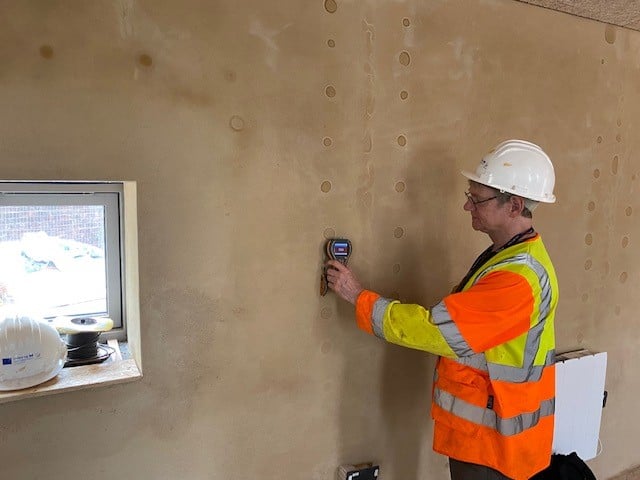
A proper inspection is the first step in controlling moisture after storm damage. Without identifying where moisture is trapped, drying efforts may be incomplete.
A thorough inspection usually includes:
- Moisture meter readings in walls and floors
- Thermal imaging to locate hidden water
- Humidity measurements throughout the home
- Inspection of attics and air ducts
- Evaluation of ventilation and airflow
Professionals familiar with Deerfield Beach homes understand common moisture paths in slab foundations, attic spaces, and exterior block walls.
Companies such as Pompano Mold Inspection and Testing often use these methods to identify moisture problems that homeowners cannot see.
The Moisture Control and Drying Process
Once moisture is located, drying and control follow a structured process.
Water Removal
If standing water is present, extraction equipment removes it quickly to prevent further absorption.
Controlled Drying
Air movers and dehumidifiers are strategically placed to dry affected materials, including:
- Drywall
- Flooring
- Wood framing
- Subfloors
Drying is carefully monitored to ensure moisture levels return to safe ranges.
Removal of Damaged Materials
In cases where materials cannot be salvaged, removing saturated insulation, drywall, or padding may be necessary to prevent mold growth.
Humidity Stabilization
Maintaining proper indoor humidity is essential to preventing future moisture problems.
Mold Risks After Storm Damage
Mold is one of the biggest concerns after moisture intrusion. In warm, humid environments like Deerfield Beach, mold can begin forming within 24 to 48 hours.
Mold commonly develops in:
- Baseboards and drywall
- Carpet padding
- Attic insulation
- Air ducts
- Closets and storage areas
Controlling moisture quickly is the most effective way to prevent mold growth.
The Role of Air Conditioning and Duct Systems
Air-conditioning systems play a major role in indoor humidity control, but storm-related moisture can also affect HVAC systems.
Common issues include:
- Wet duct insulation
- Increased condensation
- Moisture entering return vents
- Mold forming inside air handlers
If moisture enters ductwork, it can spread humidity and mold spores throughout the home.
Inspection of HVAC systems is often recommended after storm-related water intrusion.
Practical Prevention Tips for Homeowners
While storms cannot be prevented, homeowners can take steps to reduce moisture risks and protect their homes.
Helpful prevention methods include:
- Inspect roofs and flashing after storms
- Keep gutters and downspouts clear
- Seal windows and exterior doors
- Check attic ventilation regularly
- Clean AC drain lines
- Monitor indoor humidity levels
Using a humidity monitor indoors is a simple way to detect rising moisture early.
Why Local Experience Matters
Moisture control in South Florida requires techniques suited to humid climates. Drying times, airflow placement, and humidity management must account for local weather conditions.
Professionals working in Deerfield Beach, Lighthouse Point, Margate, and Coconut Creek understand:
- Local construction methods
- Common storm damage patterns
- Effective drying strategies in humid environments
- Areas where moisture tends to remain trapped
This local knowledge helps ensure that moisture problems are fully resolved rather than temporarily masked.
Taking Early Action Protects Your Home
Moisture problems rarely resolve on their own. The sooner excess moisture is identified and removed, the lower the risk of mold growth and structural damage.
If musty odors, damp spots, or increased humidity appear after a storm, scheduling an inspection can provide clear answers and prevent larger problems. Pompano Mold Inspection and Testing is familiar with the moisture challenges common in Deerfield Beach homes, and early evaluation often prevents costly repairs later.
Controlling moisture quickly and thoroughly is one of the most important steps homeowners can take to protect their property after storm damage.