Deerfield Beach Mold Inspection and Testing in Residential Homes: Common Causes and Solutions
Mold problems are more common in Deerfield Beach homes than many homeowners realize. Between year-round humidity, heavy seasonal rains, and air-conditioning systems running almost constantly, moisture has many opportunities to build up indoors. When moisture lingers, mold often follows.
Mold inspection and testing play an important role in identifying hidden issues, determining the cause, and guiding the right solution. For homeowners, landlords, and property managers, understanding why mold forms and how inspections work can prevent expensive repairs and long-term structural damage.
What Mold Problems in Homes Usually Look Like
Mold doesn’t always appear as the dramatic black patches people expect. In many residential homes, mold starts in less visible ways.
Common forms include:
- Light gray or green spotting on drywall
- Dark staining on baseboards or ceiling corners
- Musty odors without visible growth
- Dust-like buildup inside air vents
- Discoloration around window frames
Often, mold growth begins behind walls, under flooring, or inside air ducts where moisture stays trapped.
Why Mold Happens So Often in Deerfield Beach
Deerfield Beach and nearby areas like Lighthouse Point, Pompano Beach, Coconut Creek, and Fort Lauderdale share environmental conditions that make mold growth more likely.
Several factors contribute:
- High humidity for much of the year
- Heavy rainfall and sudden storms
- Warm temperatures that accelerate mold growth
- AC condensation in ducts and air handlers
- Poor ventilation in bathrooms and attics
Even well-maintained homes can develop mold if moisture remains unnoticed for long periods.
Homes near the coast also experience salt air and higher ambient humidity, which can keep building materials slightly damp even when no leaks are visible.
Common Causes of Mold in Residential Homes
Most mold problems trace back to a moisture source. Identifying that source is the first step toward solving the issue permanently.
Frequent causes include:
Roof Leaks
Small roof leaks often go unnoticed until staining appears on ceilings or mold develops in attic insulation.
AC Condensation
Air-conditioning systems produce moisture continuously. If drain lines clog or ducts sweat, mold can form in closets, ceilings, or vents.
Plumbing Leaks
Slow leaks under sinks, behind washing machines, or inside walls can keep areas damp for weeks.
Flooding or Heavy Rain
Stormwater intrusion, especially during the rainy season, frequently leads to mold in baseboards and flooring.
Poor Ventilation
Bathrooms, laundry rooms, and kitchens without proper airflow allow humidity to build up.
Warning Signs Homeowners Should Not Ignore
Mold often develops gradually, and early signs can be subtle.
Watch for:
- Persistent musty smells
- Paint bubbling or peeling
- Warped baseboards or trim
- Increased allergy-like symptoms indoors
- Condensation on windows or vents
- AC running longer than usual
These symptoms usually indicate elevated humidity or hidden moisture.
Hidden Sources Mold Inspectors Often Discover
One of the biggest surprises for homeowners is where mold actually grows. During residential inspections in Deerfield Beach, technicians frequently find mold in areas people rarely check.
These include:
- Behind drywall near exterior walls
- Under laminate flooring
- Inside return air vents
- Beneath carpet padding
- Around attic duct connections
- Behind refrigerators and dishwashers
Because these areas are hidden, mold can spread for months before becoming visible.
Why DIY Mold Removal Usually Fails
Homeowners often try to clean mold with household cleaners or bleach. While this may remove surface staining, it rarely solves the underlying problem.
DIY efforts fail for several reasons:
- The moisture source is not corrected
- Mold roots remain inside porous materials
- Hidden growth continues behind walls
- Spores spread during improper cleaning
Without addressing moisture and contamination together, mold often returns within weeks.
How Professional Mold Inspection and Testing Works
A thorough mold inspection focuses on both the cause and the extent of the problem.
A typical residential inspection includes:
- Visual examination of affected areas
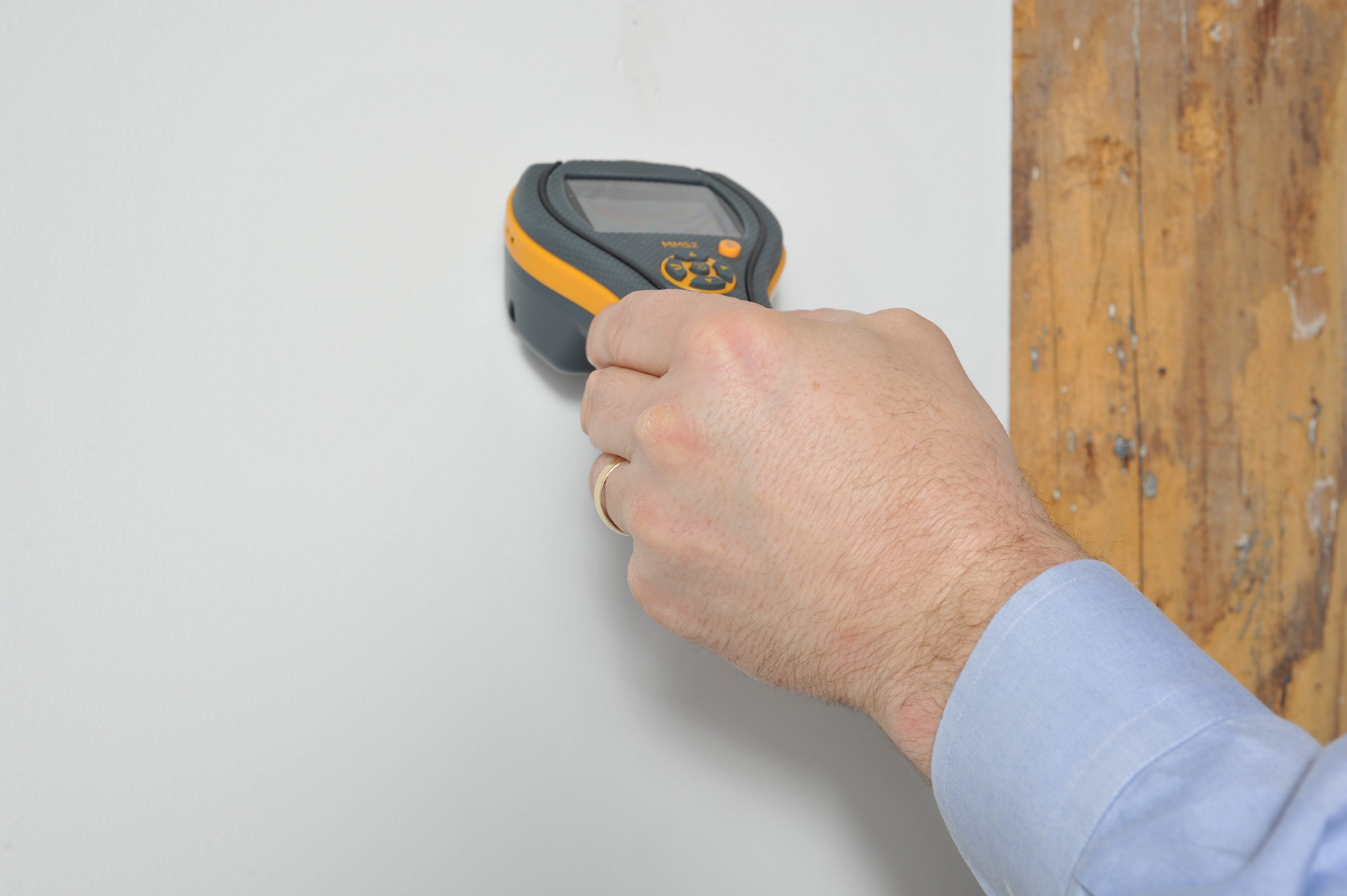
- Moisture meter readings in walls and floors
- Humidity level measurements
- Thermal imaging to locate hidden moisture
- Air or surface sampling when necessary
Testing helps determine the type and concentration of mold present, which guides proper remediation methods.
Professionals familiar with local housing construction in Deerfield Beach understand how moisture behaves in slab foundations, attics, and block walls common in South Florida homes.
Pompano Mold Inspection and Testing is one of the local companies that regularly performs these detailed inspections throughout Broward County.
Proper Mold Removal and Remediation Process
Once mold is confirmed, remediation follows a structured approach designed to prevent recurrence.
The process typically includes:
Containment
Affected areas are isolated to prevent spores from spreading to other parts of the home.
Removal of Contaminated Materials
Severely affected drywall, insulation, or carpet may need to be removed.
Cleaning and Treatment
Surfaces are carefully cleaned using appropriate methods to remove contamination.
Drying and Moisture Control
Dehumidifiers and air movers reduce moisture to safe levels.
Verification
Final moisture readings confirm that the environment is dry enough to prevent regrowth.
Proper remediation always focuses on eliminating the moisture source first.
Water Damage and Flooding as a Mold Trigger
In Deerfield Beach, mold often follows water damage events such as:
- Heavy rain
- Roof leaks
- Plumbing failures
- Appliance leaks
- Storm surge or localized flooding
Even minor flooding can leave moisture trapped beneath flooring or inside walls. Without professional drying, mold growth often begins within days.
Water removal and drying are critical steps that prevent long-term structural damage.
Air Ducts, AC Systems, and Mold Growth
Air-conditioning systems play a major role in indoor moisture levels. When ducts or air handlers become damp, mold can develop inside the system.
Signs of duct-related mold issues include:
- Musty odors when the AC runs
- Dust buildup around vents
- Uneven cooling
- Increased humidity indoors
Because ducts distribute air throughout the home, mold inside HVAC systems can spread spores quickly.
Regular inspection and cleaning of ductwork help maintain healthy indoor air quality.
Practical Solutions for Preventing Mold
Preventing mold is usually easier than removing it. Simple maintenance steps can reduce risk significantly.
Helpful prevention tips include:
- Keep indoor humidity below 60 percent
- Clean AC drain lines regularly
- Inspect roofs and flashing annually
- Repair leaks immediately
- Use exhaust fans in bathrooms and kitchens
- Ensure proper attic ventilation
Monitoring humidity with an inexpensive indoor meter is one of the easiest ways to catch problems early.
Why Local Experience Matters
Mold behavior in South Florida differs from drier climates. High humidity, warm temperatures, and coastal conditions require specialized inspection and drying methods.
Professionals who regularly work in Deerfield Beach, Lighthouse Point, Margate, and Fort Lauderdale understand:
- Where moisture tends to accumulate
- How storms affect local homes
- Construction patterns common in the area
- Effective drying techniques in humid environments
Local knowledge helps ensure inspections are thorough and remediation is done correctly.
A Calm, Practical Approach to Mold Problems
Finding mold in a home can feel stressful, but most situations can be resolved effectively when addressed early. The key is identifying the moisture source, removing contamination properly, and preventing future humidity buildup.
If warning signs appear—such as musty odors, damp surfaces, or unexplained humidity—scheduling a professional inspection can provide clear answers and practical solutions. Early action protects both the structure of the home and long-term indoor air quality.