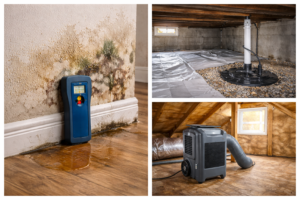
Deerfield Beach Mold Testing after Heavy Rain: Risks and Prevention Methods
Deerfield Beach, Florida, is known for its beautiful coastal lifestyle and tropical climate. However, with frequent heavy rainfall and high humidity, homes in the area face a serious risk of mold growth. Mold is not only unsightly, but it can also damage your property and pose significant health risks. After periods of heavy rain, moisture intrusion becomes a primary concern, making mold testing and prevention critical for homeowners and property managers.
This article provides a detailed guide on the risks associated with post-rain mold growth in Deerfield Beach homes and outlines effective prevention methods.
Understanding Mold Growth in Residential Homes
Mold is a type of fungus that thrives in damp, humid environments. It reproduces through tiny spores that can travel through the air, settling on surfaces where moisture is present. Once mold establishes itself, it can quickly spread across walls, ceilings, floors, and furniture.
Florida’s climate, particularly in coastal cities like Deerfield Beach, creates perfect conditions for mold. Heavy rain increases the moisture levels in and around homes, and when combined with humidity, it accelerates mold growth. Homes with poor ventilation, leaky roofs, or plumbing issues are especially vulnerable.
Risks Associated with Mold after Heavy Rain
1. Health Risks
Exposure to mold can cause a range of health problems. While some individuals experience minor irritation, others may suffer from more severe reactions, particularly those with allergies, asthma, or compromised immune systems. Common symptoms include:
- Sneezing and nasal congestion
- Coughing or wheezing
- Skin rashes or irritation
- Eye irritation
- Headaches or fatigue
Prolonged exposure can exacerbate chronic respiratory conditions and may even lead to serious infections in immunocompromised individuals.
2. Structural Damage
Mold feeds on organic materials like wood, drywall, and insulation. If left untreated, it can weaken structural components of a home. Wooden beams may warp or rot, drywall can deteriorate, and flooring may buckle or delaminate. Over time, the damage can become extensive, requiring costly repairs.
3. Decreased Property Value
Homes with visible mold or a history of moisture issues often lose market value. Mold problems may deter buyers or lead to expensive remediation demands during property sales. Conducting timely mold testing helps homeowners maintain property value and marketability.
Signs You May Need Mold Testing
After heavy rain, homeowners should be vigilant for the following indicators of potential mold growth:
- Musty or damp odors in basements, attics, or living areas
- Water stains or discoloration on walls, ceilings, or floors
- Peeling paint or wallpaper
- Visible mold spots in corners, under sinks, or around windows
- Increased allergy or respiratory symptoms among household members
If these signs are present, it is critical to schedule professional mold testing immediately.
Mold Testing: What It Involves
Mold testing is the process of identifying the presence, type, and extent of mold in a home. A professional mold inspector typically performs the following steps:
- Visual Inspection
The inspector examines areas prone to moisture, such as basements, attics, bathrooms, kitchens, and around HVAC systems. - Air Sampling
Air samples are collected to detect airborne mold spores. This helps identify hidden mold not visible to the naked eye. - Surface Sampling
Swabs or tape lifts may be used to test surfaces suspected of mold contamination. - Moisture Assessment
Moisture meters and thermal imaging cameras can detect water intrusion and damp areas that promote mold growth. - Laboratory Analysis
Samples are sent to a lab to identify mold species and concentrations, providing a clear picture of the contamination level.
Professional mold testing ensures accurate detection, which is essential for effective remediation.
Prevention Methods for Deerfield Beach Homes
Preventing mold growth after heavy rain requires proactive measures to control moisture and maintain a dry environment.
1. Proper Drainage
Ensure that water is directed away from the foundation of your home. Check gutters, downspouts, and landscaping to prevent water accumulation near walls and basements. Grading the soil away from the house helps reduce moisture infiltration.
2. Regular Roof and Wall Maintenance
Inspect your roof for damaged shingles, flashing, or leaks that may allow rainwater to enter. Seal gaps around windows, doors, and siding to prevent water intrusion. Prompt repairs reduce the risk of mold development.
3. Efficient Ventilation
Proper ventilation removes excess humidity and prevents condensation buildup. Use exhaust fans in bathrooms and kitchens, open windows when weather permits, and ensure attic vents function correctly.
4. Control Indoor Humidity
Maintain indoor humidity between 40–50% using dehumidifiers, air conditioning, or ventilation. This creates an environment less favorable for mold growth.
5. Prompt Water Removal
After heavy rainfall or flooding, remove standing water immediately. Dry wet carpets, furniture, and flooring within 24–48 hours to prevent mold spores from taking hold. Professional water damage restoration may be necessary for severe cases.
6. Routine Home Inspections
Schedule regular inspections, especially after storms or prolonged rainy periods. Professionals can detect hidden leaks, water damage, and potential mold hotspots before they escalate.
7. Mold-Resistant Materials
Consider using mold-resistant drywall, paints, and insulation in areas prone to moisture. These materials reduce the likelihood of mold growth even when exposed to humidity.
Benefits of Mold Testing and Prevention
Implementing a mold prevention strategy and conducting testing after heavy rain offer several advantages:
- Health Protection
Reducing mold exposure safeguards family members from allergies, respiratory issues, and other health complications. - Property Preservation
Preventing mold protects structural integrity and prevents long-term damage to walls, flooring, and insulation. - Cost Savings
Early detection and prevention minimize the need for expensive remediation or repairs. - Peace of Mind
Knowing your home is safe and free from hidden mold provides confidence, especially during Florida’s rainy season.
Conclusion
Mold growth is a serious concern for Deerfield Beach homeowners, particularly following periods of heavy rain. The combination of high humidity, water intrusion, and poor ventilation creates ideal conditions for mold development. Mold testing is a critical tool for detecting hidden contamination, assessing risks, and guiding effective remediation.
Preventive measures—including proper drainage, roof and wall maintenance, efficient ventilation, indoor humidity control, and routine inspections—help minimize moisture accumulation and reduce mold risks. By taking proactive steps, homeowners can protect their health, preserve their property, and avoid costly repairs.
In Deerfield Beach, where heavy rainfall is common, mold prevention is not optional—it is an essential part of responsible homeownership. Prompt action, regular maintenance, and professional guidance ensure a safe, healthy, and mold-free living environment.