
Deerfield Beach Water Testing in Commercial Buildings: Inspection and Repair Guide
Water intrusion in commercial buildings is rarely obvious at first. In Deerfield Beach, heavy rain, coastal humidity, aging infrastructure, and constant HVAC use make moisture issues common in offices, retail spaces, medical facilities, and mixed-use properties. When water enters a building, understanding exactly what kind of water it is and how far it has spread is critical. That is where water testing becomes an essential part of inspection and repair planning.
For commercial property owners and managers, water testing provides clarity. It helps determine contamination risk, guides proper restoration, and supports informed repair decisions that protect both the building and its occupants.
What Water Testing Means in Commercial Buildings
Water testing is the process of evaluating water quality after intrusion to understand its source, condition, and potential impact. In commercial buildings, this step is especially important because water can affect large areas, shared systems, and multiple occupants at once.
Testing helps determine whether the water involved is clean, affected by building systems, or contaminated by storm runoff or drainage issues. This information shapes how cleanup, drying, and repairs should be handled.
In Deerfield Beach, where flooding and wind-driven rain are common, water that appears clean can still carry contaminants after passing through roofing materials, insulation, or ceiling systems.
Why Water Testing Is Critical for Deerfield Beach Commercial Properties
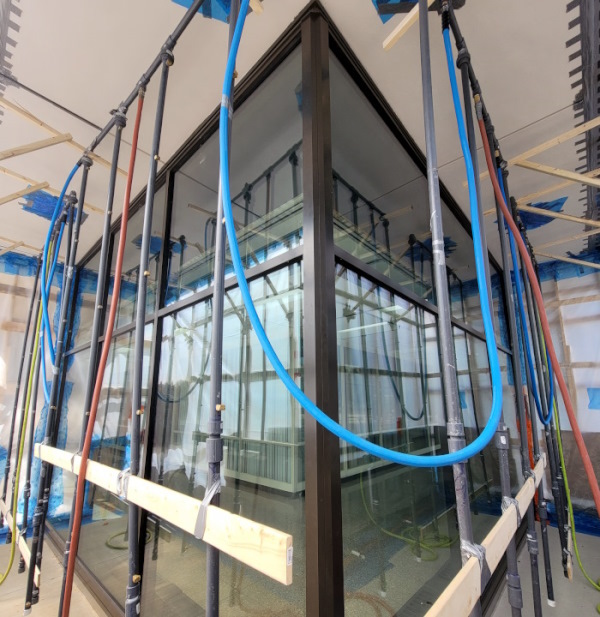
Commercial buildings in Deerfield Beach face unique exposure risks. Flat or low-slope roofs, large window systems, and complex drainage designs increase the chances of water intrusion during storms.
High humidity slows natural drying, allowing moisture to remain trapped inside walls, ceilings, and flooring systems. In multi-tenant buildings, water can migrate from one unit to another without immediate visibility.
Water testing helps identify whether moisture is isolated or widespread and whether contaminants are present that require additional remediation steps.
Common Causes of Water Intrusion in Commercial Buildings
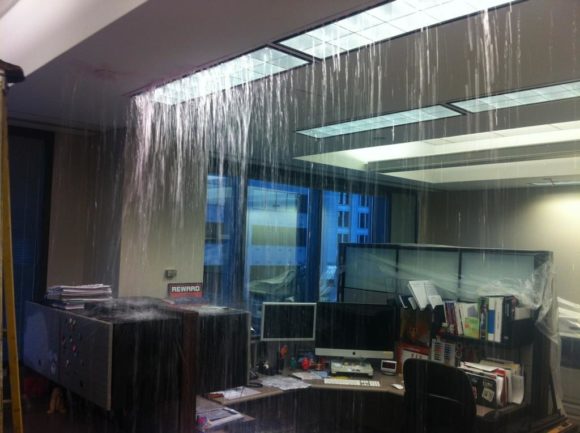
Roof leaks are one of the leading causes, especially after storms. Water can travel long distances above ceilings before becoming visible.
Plumbing failures inside walls, restrooms, or mechanical rooms can release water that spreads through multiple areas.
HVAC-related issues such as clogged drain lines or condensation buildup are common in large systems running year-round.
Storm flooding and overwhelmed exterior drainage systems can allow water to enter ground-level spaces, loading docks, and utility areas.
Each source presents different risks, making water testing an important diagnostic tool.
Early Warning Signs That Water Testing Is Needed
Stains on ceiling tiles or drywall are often the first visible sign. In commercial spaces, these may appear in hallways, offices, or common areas.
Persistent musty odors, especially after rain or HVAC operation, often indicate hidden moisture.
Warped flooring, loose tiles, or soft spots can point to water trapped beneath surfaces.
Increased indoor humidity or condensation on windows and vents after a water event suggests moisture remains in the structure.
Even when visible water is gone, these signs signal the need for further evaluation.
Hidden Areas Where Water Commonly Spreads
Water often moves through ceiling plenums, wall cavities, and shared utility chases in commercial buildings. These spaces allow moisture to spread far from the original entry point.
Insulation above ceilings absorbs water and dries slowly, continuing to affect indoor conditions.
Flooring systems, especially carpet tiles and raised floors, can trap moisture underneath while appearing dry on the surface.
Mechanical rooms and duct systems may also be affected if water intrusion occurs nearby.
Water testing helps confirm whether these hidden areas are impacted.
How Water Testing Fits Into the Inspection Process
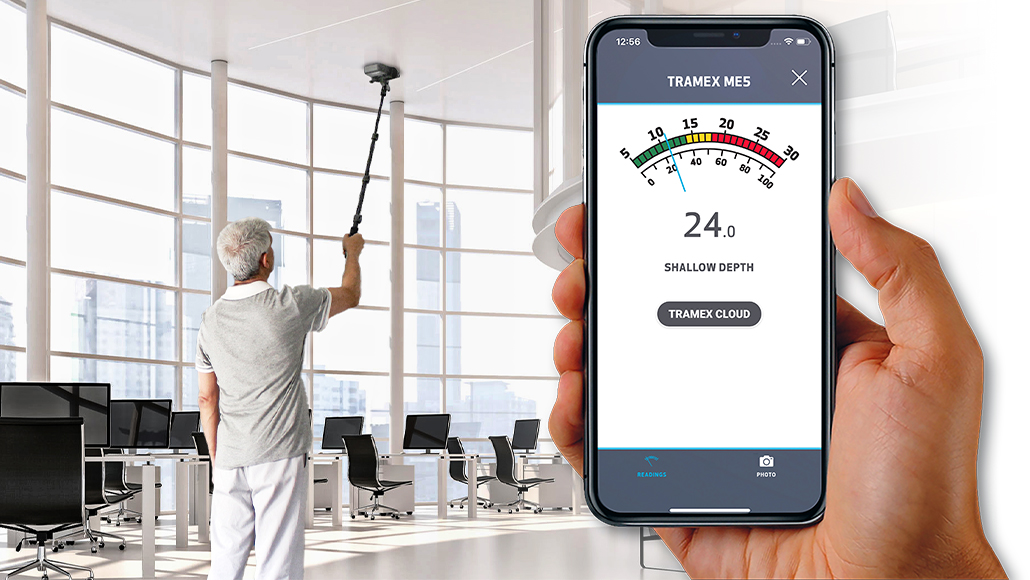
Inspection typically begins with a visual assessment and moisture detection. Moisture meters and thermal imaging help locate damp areas.
Water testing may follow when the source or quality of the water is unclear. Samples help determine whether contaminants are present and what level of cleaning or material removal is required.
In commercial buildings, this step helps avoid incomplete repairs and reduces the risk of recurring issues.
Pompano Mold Inspection and Testing provides water testing as part of comprehensive commercial inspections in Deerfield Beach and surrounding Broward County areas.
Interpreting Water Testing Results
Water testing results are used to guide decisions, not to alarm. Results help identify whether standard drying is sufficient or whether additional cleaning and remediation are necessary.
In commercial settings, results are often combined with inspection findings to prioritize affected areas and plan repairs efficiently.
Understanding water quality helps property managers balance safety, cost control, and operational continuity.
Water Testing and Repair Planning
Repairs should always be based on confirmed conditions. Water testing helps determine which materials can be dried and which may need removal.
Ceiling tiles, insulation, drywall, and flooring may require different approaches depending on water exposure.
Repair planning without proper testing often leads to missed moisture, repeat damage, and higher long-term costs.
Preventing Mold and Ongoing Moisture Issues
One of the main benefits of water testing is mold prevention. Mold depends on moisture and organic material, both of which can remain after water intrusion.
By identifying moisture spread and contamination early, testing supports timely drying and corrective action.
In Deerfield Beach’s humid environment, this step is especially important in preventing recurring mold problems in commercial spaces.
HVAC Systems and Water Quality Concerns
Commercial HVAC systems can spread moisture and odors if affected by water intrusion. Ductwork, air handlers, and ceiling returns may be exposed to humid or contaminated water.
Water testing combined with HVAC inspection helps determine whether systems were impacted and whether additional cleaning or drying is needed.
Addressing HVAC-related moisture early supports better indoor conditions for occupants.
Practical Prevention Steps for Commercial Property Owners
Schedule regular roof and drainage inspections, especially before storm season.
Monitor HVAC systems for condensation and drainage issues.
Address ceiling stains or odors promptly rather than waiting for visible damage.
After any water event, consider water testing as part of the assessment process, even if damage seems limited.
Document inspections and repairs to support long-term maintenance planning.
Why Local Experience Matters in Commercial Water Testing
Commercial buildings in Deerfield Beach face location-specific risks related to weather, construction styles, and coastal conditions.
Professionals with local experience understand how water typically enters commercial properties and where it tends to spread.
Pompano Mold Inspection and Testing brings this local knowledge to Deerfield Beach, Pompano Beach, Lighthouse Point, Fort Lauderdale, and surrounding Broward County communities.
A Practical Next Step for Property Managers
If your commercial building has experienced water intrusion or shows signs of hidden moisture, water testing provides essential insight. It supports accurate inspection, guides repairs, and helps protect both the building and its occupants.
Taking an informed, structured approach to water testing is one of the most effective ways to manage water damage in Deerfield Beach commercial properties.
