


Duct Cleaning Services in Lighthouse Point From AC Condensation: How to Prevent Future Damage
In Lighthouse Point homes, air conditioning systems run almost nonstop to control heat and humidity. While AC is essential, condensation from these systems is one of the most common sources of hidden moisture problems—especially inside ductwork. When condensation is not managed properly, it can lead to damp ducts, debris buildup, odors, and long-term damage that spreads beyond the HVAC system.
Duct cleaning becomes important when AC condensation has already affected the system. Just as important, however, is understanding how to prevent the same damage from coming back. In a coastal environment like Lighthouse Point, prevention always starts with moisture control.
Why AC Condensation Is a Common Problem in Lighthouse Point
Lighthouse Point’s coastal humidity means warm, moisture-heavy air is constantly moving through homes. When this air contacts cold AC components, condensation naturally forms.
AC systems in this area run for long hours. Over time, small issues such as clogged drain lines, aging duct insulation, or restricted airflow allow condensation to build up faster than it can evaporate.
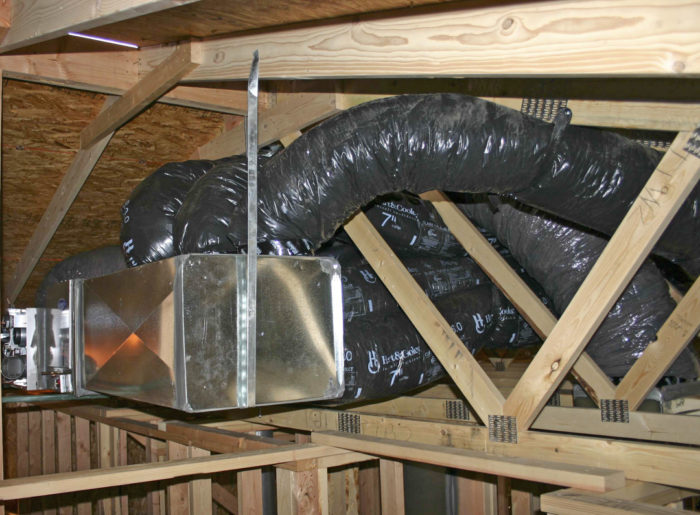
Many homes have ductwork running through hot attics. Temperature differences between cold ducts and warm attic air increase the likelihood of sweating ducts.
Salt air and coastal exposure can also accelerate wear on HVAC components, making condensation problems more frequent.
How AC Condensation Affects Ductwork
When condensation forms on or inside ducts, moisture mixes with dust, debris, and organic particles already present in the system.
This damp environment allows buildup to cling to duct surfaces instead of staying dry and lightweight.
Over time, moisture can soak duct insulation, drip onto ceilings, or migrate into wall cavities.
Once ducts are affected by condensation, simply running the AC harder does not solve the problem. In many cases, it makes it worse.
Early Warning Signs of Condensation-Related Duct Problems
Musty or stale odors when the AC starts are often the first sign of moisture inside ducts.
Dust that returns quickly after cleaning surfaces may indicate debris buildup in damp ductwork.
Visible condensation on vents, registers, or duct surfaces is a clear warning sign.
Water stains on ceilings or walls near vents may point to sweating ducts in the attic.
Rooms that feel humid or uncomfortable despite normal AC operation often signal airflow or moisture issues within the duct system.
Ignoring these signs allows damage to spread quietly.
Why Duct Cleaning Is Needed After Condensation Issues
When condensation has affected ducts, cleaning is not cosmetic—it is corrective.
Moisture causes debris to adhere to duct surfaces, reducing airflow and allowing odors to persist.
If ducts are not cleaned after moisture exposure, contaminants continue circulating through the home.
Duct cleaning removes debris that holds moisture and supports ongoing problems.
However, cleaning alone is not enough. Without correcting the cause of condensation, the same issues will return.
How Professional Duct Cleaning Works in These Situations
Professional duct cleaning begins with inspection. The condition of duct interiors, insulation, and nearby HVAC components is evaluated.
If condensation damage is present, specialized equipment is used to remove debris without releasing it into living spaces.
HEPA-filtered systems capture loosened particles during the cleaning process.
Registers, return ducts, and accessible duct sections are cleaned based on system layout.
Cleaning focuses on removal of moisture-affected buildup, not just surface disturbance.
Pompano Mold Inspection and Testing provides duct inspection and cleaning services in Lighthouse Point as part of broader moisture and indoor air quality solutions.
Why Cleaning Without Moisture Repair Fails
Duct cleaning does not stop condensation from forming.
If drain lines remain clogged, insulation remains damaged, or airflow remains restricted, moisture will return.
Clean ducts can become contaminated again in a short period when condensation issues persist.
Lasting results require correcting the conditions that caused moisture in the first place.
Preventing Future Duct Damage From AC Condensation
Prevention begins with controlling moisture at its source.
AC drain lines should be inspected and maintained regularly to ensure proper drainage.
Duct insulation in attics must be intact and properly sealed to prevent sweating.
Airflow should be balanced. Dirty filters, blocked returns, or undersized systems increase condensation risk.
Air handlers located in closets or utility spaces need adequate ventilation to allow moisture to dissipate.
Indoor humidity should be monitored, especially during peak summer months.
After storms or long periods of heavy AC use, attic inspections help catch early condensation issues.
The Role of HVAC Maintenance in Prevention
Routine HVAC maintenance is one of the most effective prevention tools.
Maintenance helps identify small drainage, airflow, or insulation problems before they lead to duct moisture.
Keeping systems clean and balanced reduces condensation and extends equipment lifespan.
In Lighthouse Point’s climate, skipping maintenance almost always leads to moisture-related problems over time.
Duct Cleaning in Rental and Investment Properties
Rental properties often experience heavier HVAC use and delayed reporting of issues.
Tenants may notice odors or discomfort without realizing condensation is the cause.
For property owners, duct inspection during vacancy periods helps determine whether condensation-related cleaning is needed.
Combining duct cleaning with moisture correction reduces repeat complaints and unexpected repairs.
Why Local Experience Matters in Lighthouse Point
Duct systems behave differently in coastal environments. Lighthouse Point homes face unique challenges related to humidity, salt air, and attic heat.
Local professionals understand where condensation typically develops and how it spreads through duct systems in these homes.
This experience helps ensure duct cleaning is paired with the right preventive measures.
A Practical Takeaway for Homeowners and Property Owners
Duct cleaning after AC condensation is an important step, but it is only part of the solution. Without correcting moisture sources, cleaned ducts will not stay clean.
For Lighthouse Point properties, preventing future damage means addressing condensation, maintaining HVAC systems, and using duct cleaning strategically when moisture has already affected the system.
Taking a proactive, moisture-focused approach protects indoor air quality, prevents structural damage, and keeps duct systems performing reliably in a demanding coastal climate.
