Expert Advice for Homeowners: Mold Removal in Deerfield Beach After Hurricanes
Hurricanes and severe tropical storms are a reality for homeowners in Deerfield Beach. Even when a home avoids major structural damage, heavy rain, flooding, and prolonged humidity can leave behind hidden moisture. This moisture often leads to mold growth within days if it is not properly addressed. Understanding how mold removal works after hurricanes helps homeowners protect their property and restore safe indoor conditions.
What Happens to Homes After Hurricanes
Hurricanes bring large amounts of wind-driven rain, high humidity, and sometimes flooding. Water can enter homes through:
- Roof damage or loose shingles
- Window and door seals
- Floodwater intrusion
- Damaged siding or flashing
- Saturated soil around foundations
Even small amounts of water that remain trapped in building materials can create ideal conditions for mold growth.
Why Mold Growth Is Common After Hurricanes in Deerfield Beach
Several local conditions increase the risk of mold after hurricanes:
- High humidity that slows drying
- Warm temperatures that encourage mold growth
- Storm-related roof or plumbing damage
- Wet insulation and drywall
- Prolonged power outages affecting air conditioning
Because air conditioning systems help control humidity, homes that lose power for extended periods often experience higher indoor moisture levels.
Common Signs Homeowners Notice After a Storm
After a hurricane, homeowners often begin to notice early warning signs of mold or moisture problems, such as:
- Musty or damp odors
- Water stains on ceilings or walls
- Peeling paint or warped baseboards
- Condensation on windows or vents
- Visible spots on drywall or ceilings
These signs often indicate that moisture is still present inside the structure.
Hidden or Overlooked Areas Where Mold Develops
In Deerfield Beach homes, mold frequently develops in areas that are difficult to see, including:
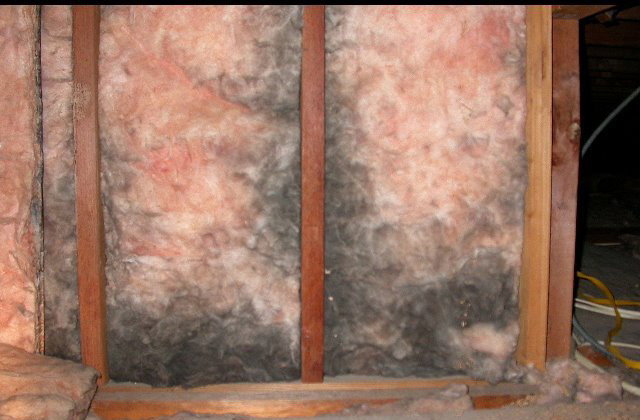
- Attic insulation and roof decking
- Inside wall cavities
- Beneath flooring
- Air ducts and HVAC systems
- Closets and storage areas with limited airflow
Because these areas remain warm and damp after storms, mold can spread quickly if not detected.
Why DIY Mold Removal Usually Fails
Many homeowners attempt to clean mold using household cleaners. While this may remove surface staining, it does not address the moisture source or hidden growth behind materials.
DIY removal often fails because:
- Mold roots may exist beneath surfaces
- Moisture inside walls remains untreated
- Drying is incomplete
- Spores can spread to other areas
Professional removal focuses on eliminating both mold and the moisture conditions that caused it.
Professional Mold Inspection and Testing Explained
After hurricanes, a thorough inspection helps determine the extent of moisture and mold damage. In Deerfield Beach homes, professionals typically:
- Inspect roof and attic areas
- Measure moisture levels in walls and flooring
- Check insulation and ventilation
- Evaluate HVAC systems and ducts
- Identify areas affected by water intrusion
Pompano Mold Inspection and Testing frequently performs inspections in Deerfield Beach and nearby Broward County communities, helping homeowners understand storm-related moisture problems before remediation begins.
Proper Mold Removal and Remediation Process
A professional remediation process is designed to prevent cross-contamination and ensure effective drying. Typical steps include:
- Containing affected areas
- Removing damaged drywall or insulation when necessary
- Cleaning and sanitizing structural surfaces
- Using air filtration equipment
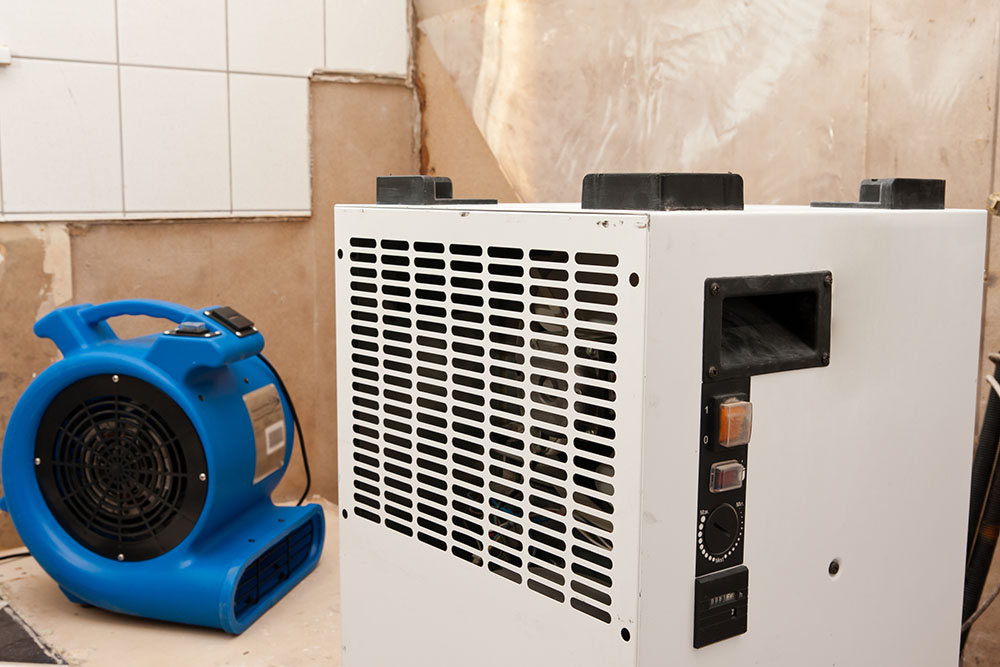
- Drying materials thoroughly with dehumidifiers
Thorough drying is essential to prevent mold from returning.
Flood Restoration and Water Damage Repair
Hurricanes sometimes cause flooding or major leaks that require restoration. This process may include:
- Water extraction
- Structural drying
- Repairing ceilings, drywall, or flooring
- Monitoring moisture levels until materials stabilize
These steps help restore the home safely and reduce the risk of long-term damage.
Air Ducts, AC Systems, and Mold After Hurricanes
HVAC systems often play a role in post-storm mold problems. Moisture can enter ductwork or air handlers, leading to:
- Musty odors throughout the home
- Reduced airflow
- Mold growth in duct insulation
Inspecting and cleaning ducts after a hurricane helps maintain indoor air quality.
How Homeowners Can Prevent Mold After Storms
Homeowners in Deerfield Beach can reduce mold risk by taking a few important steps:
- Inspect the roof and attic after storms
- Dry wet materials as quickly as possible
- Keep air conditioning running once power is restored
- Use dehumidifiers to control indoor humidity
- Repair leaks immediately
Quick response is the most effective way to prevent mold growth.
Why Local Experience Matters
Storm-related moisture problems in South Florida are different from those in other regions. Professionals familiar with Deerfield Beach understand:
- Local hurricane patterns and rainfall intensity
- Typical roof designs and drainage systems
- How humidity affects drying times
This experience helps inspections and remediation be more effective.
A Practical Next Step for Homeowners
Mold removal after hurricanes helps restore safe indoor conditions, protect structural materials, and prevent ongoing moisture damage. A careful inspection and proper drying process allow homeowners to recover more quickly and maintain a stable indoor environment after severe weather.