
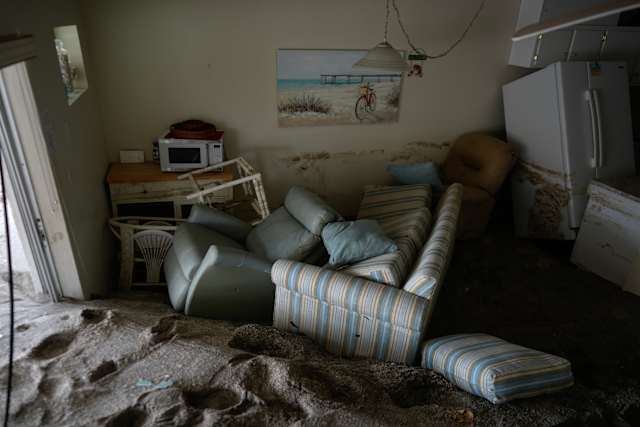
Flood Restoration in Lighthouse Point: Practical Tips That Work
Flooding is a reality many homeowners in Lighthouse Point face, especially during heavy rainstorms, tropical weather events, or unexpected plumbing failures. Because homes in coastal Broward County experience constant humidity, water damage can become serious quickly if cleanup and restoration are delayed.
Many homeowners focus only on removing visible water, but real flood restoration involves inspecting hidden moisture, drying structural materials, and preventing mold growth. Understanding practical flood restoration tips helps homeowners protect their properties and reduce long-term repair costs.
This guide explains practical steps that work when dealing with flood damage in Lighthouse Point homes.
What Flood Restoration Really Involves
Flood restoration is more than just cleanup. It involves returning a home to safe and dry conditions after water intrusion.
Proper restoration usually includes:
• Removing standing water
• Drying walls, floors, and ceilings
• Detecting hidden moisture
• Cleaning and sanitizing affected areas
• Repairing damaged materials
• Preventing mold growth
Without proper restoration, moisture can remain trapped inside the home and create future problems.
Why Flooding Happens Frequently in Lighthouse Point
Homes in Lighthouse Point and nearby coastal communities face unique flooding risks due to local weather patterns and building conditions.
Common causes of flooding include:
• Heavy seasonal rainstorms
• Hurricane and tropical storm impacts
• Drainage system backups
• Plumbing failures
• Groundwater intrusion
• AC drainage overflow
Even small flooding events can allow moisture to spread into walls and flooring, leading to mold and structural damage.
Early Signs Flood Damage Should Not Be Ignored
Flood damage is not always immediately visible. Early warning signs may appear gradually after a water event.
Homeowners often notice:
• Musty odors after storms
• Ceiling or wall stains
• Warped or buckling floors
• Paint peeling or bubbling
• Persistent dampness indoors
• Mold growth near baseboards or vents
• Increased humidity inside rooms
These signs usually indicate moisture remains trapped somewhere in the home.
Hidden Areas Where Flood Damage Develops
Water often travels far beyond visible flooding areas. Hidden moisture frequently remains in:
• Wall cavities and insulation
• Beneath flooring materials
• Inside ceiling spaces
• Under cabinets and vanities
• Inside air ducts or AC closets
• Around window and door frames
Professional inspection helps identify moisture that homeowners cannot easily see.
Practical Tip #1: Remove Water Immediately
Quick water removal significantly reduces damage. The faster standing water is extracted, the less chance moisture has to spread.
Practical actions include:
• Using pumps or wet vacuums
• Removing soaked carpets or rugs quickly
• Moving furniture away from wet areas
• Opening access for drying equipment
Immediate action reduces repair costs later.
Practical Tip #2: Start Drying Right Away
Drying must begin immediately after water removal. Surface drying alone is not enough.
Effective drying includes:
• Using commercial air movers
• Running dehumidifiers continuously
• Opening wall cavities if needed
• Monitoring humidity levels
Professional drying equipment speeds up moisture removal significantly.
Practical Tip #3: Inspect for Hidden Moisture
Even after surfaces dry, moisture may remain behind walls or beneath flooring.
Professional inspections typically include:
• Moisture meter scanning
• Inspection of ceilings and cabinets
• Checking attic spaces
• Evaluating HVAC systems
Companies such as Pompano Mold Inspection and Testing help homeowners determine where moisture remains so proper drying and repairs can be completed.
Inspection prevents hidden problems from returning later.
Practical Tip #4: Prevent Mold Growth Early
Mold can begin growing within days after flooding if moisture remains untreated.
Prevention steps include:
• Drying materials quickly
• Removing damaged insulation or drywall
• Cleaning affected areas
• Using dehumidification equipment
Early mold prevention avoids costly remediation later.
Practical Tip #5: Check HVAC Systems After Flooding
HVAC systems can spread moisture or contamination throughout a home after flooding.
Inspection should include:
• Checking air handlers for moisture
• Inspecting duct insulation
• Replacing air filters
• Ensuring ducts remain dry
Proper HVAC inspection improves indoor air quality after restoration.
Practical Tip #6: Repair Damage Completely
Temporary fixes often lead to recurring problems. Proper restoration repairs ensure moisture does not return.
Common repairs include:
• Replacing damaged drywall
• Repairing flooring materials
• Restoring cabinets or trim
• Painting and sealing repaired areas
Complete restoration protects property value and indoor comfort.
Practical Tip #7: Prepare for Future Flooding
Flood restoration also offers an opportunity to prevent future damage.
Helpful prevention steps include:
• Inspecting roofs and plumbing regularly
• Cleaning gutters and drainage systems
• Checking AC condensate lines
• Sealing window and door leaks
• Inspecting homes after storms
Preventive maintenance reduces future restoration costs.
Why Local Experience Matters
Flood restoration methods vary based on climate and construction style. Homes in Lighthouse Point face coastal humidity and storm exposure that influence how moisture spreads and dries.
Professionals familiar with Broward County homes understand common flood damage patterns and effective drying solutions. Pompano Mold Inspection and Testing works throughout the region and understands local moisture challenges.
Local expertise leads to faster inspections and effective repairs.
A Practical Next Step for Homeowners
If your Lighthouse Point home has experienced flooding or water intrusion, arranging a professional inspection is a practical next step. Early restoration helps prevent mold growth and costly structural damage.
Flood damage may appear minor at first, but hidden moisture can cause long-term problems if ignored. Taking action quickly helps homeowners restore safe living conditions while protecting long-term property value.
Addressing flood damage early keeps Lighthouse Point homes healthier, safer, and better prepared for future storms.
