Flood Restoration in Margate: Expert Advice for Homeowners
Flooding is one of the most disruptive problems a homeowner can face. In Margate, heavy rains, seasonal storms, plumbing failures, and drainage issues can quickly lead to water entering living spaces. What often surprises homeowners is how fast water damage spreads and how many hidden areas can be affected long after the visible water is gone.
Understanding how flood restoration works—and why it matters—helps homeowners respond quickly, protect their property, and prevent long-term structural and moisture problems.
What Flood Restoration Really Means
Flood restoration is more than simply removing standing water. It is a structured process that focuses on drying, cleaning, repairing, and restoring areas affected by water intrusion.
Water seeps into flooring, drywall, insulation, cabinets, and even structural framing. Without proper drying and moisture control, these materials can weaken, warp, or develop mold growth.
Professional restoration involves identifying affected areas, extracting water, drying materials, repairing damage, and addressing hidden moisture that could cause future problems.
Why Flooding Happens So Often in Margate
Margate’s climate and environment make water damage a recurring concern. South Florida experiences high humidity, frequent thunderstorms, and seasonal heavy rainfall. Even a short storm can overwhelm drainage systems or cause water to enter low-lying areas of homes.
Several factors contribute to the risk:
- Sudden downpours that saturate soil quickly
- Older drainage systems in some neighborhoods
- Slab foundations that slow drying
- Roof leaks during storms
- Plumbing failures or appliance leaks
- AC condensation issues in humid weather
Nearby areas such as Coconut Creek, North Lauderdale, and Deerfield Beach experience similar conditions, which is why flood restoration remains a common service throughout Broward County.
Common Signs Homeowners Notice After Flooding
Some signs of water damage are obvious, while others appear gradually. Homeowners in Margate often notice:
- Damp or musty odors lingering after water is removed
- Warped or buckling flooring
- Stains appearing on walls or ceilings
- Peeling paint or swelling drywall
- Increased indoor humidity
- Air conditioning running longer than usual
These warning signs indicate that moisture may still be present, even when surfaces appear dry.
Hidden or Overlooked Sources of Damage
Water rarely stays in one place. It travels under flooring, behind baseboards, and inside wall cavities. Areas often overlooked include:
- Under cabinets and appliances
- Inside insulation and drywall
- Beneath laminate or vinyl flooring
- Around HVAC vents and ducts
- Inside closets or storage areas
Without thorough inspection, these hidden pockets of moisture can remain trapped for weeks, leading to structural deterioration and indoor air quality concerns.
Why DIY Flood Cleanup Usually Falls Short
Many homeowners begin cleanup immediately, which is understandable. Removing water with mops, towels, or household fans can help reduce surface moisture, but it rarely addresses deeper saturation.
Household equipment typically cannot remove moisture embedded in subfloors or inside walls. Moisture meters, thermal imaging tools, and industrial drying equipment are often needed to locate and remove hidden water effectively.
DIY cleanup may also miss contamination concerns, especially if floodwater entered from outside or backed up through drains.
Professional Mold Inspection and Testing Explained
After flooding, one of the most important steps is evaluating whether mold conditions are developing. Mold can begin forming within 24 to 48 hours in warm, humid environments like Margate.
Professional inspection focuses on:
- Measuring moisture levels in building materials
- Identifying areas at risk of mold growth
- Checking air quality in affected rooms
- Inspecting ducts, insulation, and concealed areas
Companies such as Pompano Mold Inspection and Testing, serving Margate and surrounding communities, often perform detailed assessments to ensure that restoration efforts address both visible and hidden moisture concerns.
Proper Mold Removal and Remediation Process
If mold is discovered, remediation must be handled carefully to prevent spores from spreading. The process usually includes:
- Containment of affected areas
- Removal of damaged materials when necessary
- Cleaning and treatment of surfaces
- HEPA filtration and air cleaning
- Controlled drying and moisture control
This approach ensures that the source of the problem is addressed rather than temporarily covered or painted over.
Flood Restoration and Water Damage Repair Steps
A complete flood restoration process typically follows several key stages:
1. Water Extraction
Standing water is removed using pumps and extraction equipment.
2. Structural Drying
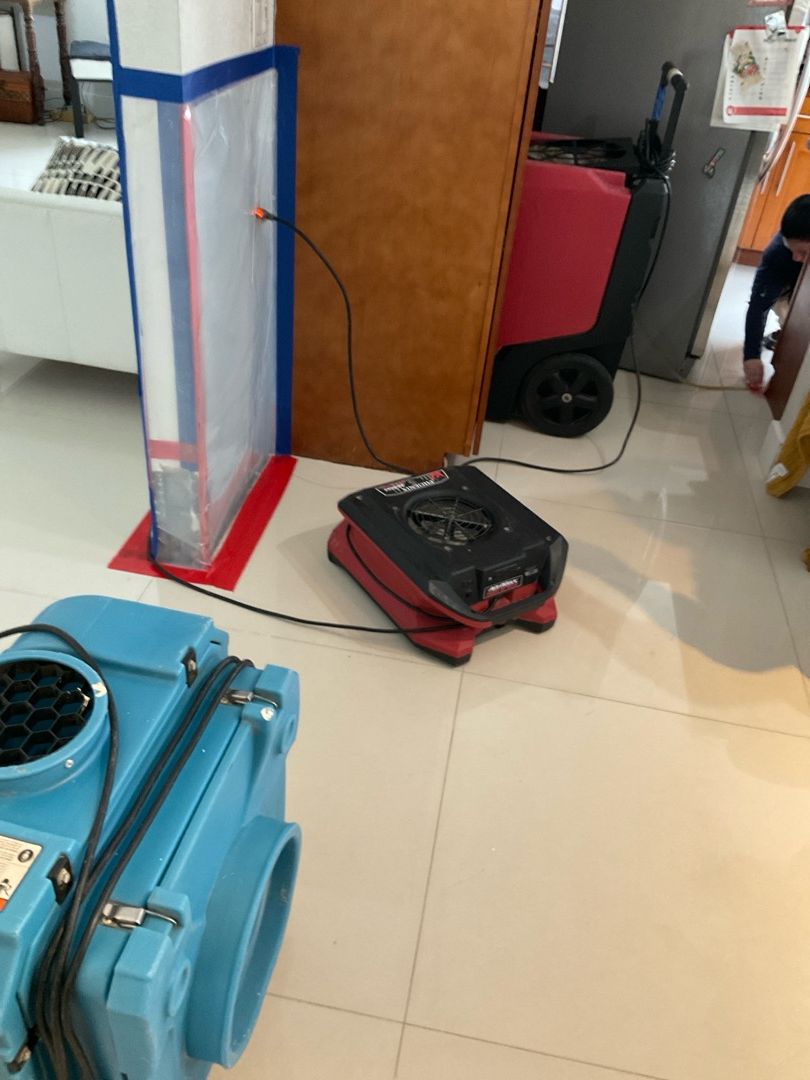
Industrial air movers and dehumidifiers are used to remove moisture from building materials.
3. Cleaning and Sanitizing
Surfaces are cleaned to remove contaminants and odors.
4. Damage Assessment and Repairs
Damaged drywall, flooring, or insulation may need replacement.
5. Final Moisture Verification
Technicians confirm that materials have reached safe moisture levels before restoration is considered complete.
Skipping any of these steps can leave hidden problems behind.
Air Ducts, AC Systems, and Moisture Concerns
HVAC systems play a major role in indoor moisture conditions. After flooding, ducts can trap humidity and circulate damp air throughout the home.
Common issues include:
- Condensation inside ductwork
- Mold growth near vents
- Reduced airflow due to moisture buildup
- Odors spreading through the system
Air duct inspection and cleaning may be necessary to ensure that the restoration process is thorough and that moisture is not reintroduced into living areas.
How to Prevent Flood Damage in Margate Homes
While storms cannot be controlled, several preventive measures can reduce the impact of flooding:
- Keep gutters and drainage systems clear
- Inspect roofs regularly for leaks
- Ensure AC drain lines are functioning properly
- Seal cracks around windows and doors
- Maintain proper grading around the home
- Use dehumidifiers during humid months
Regular moisture inspections can also help detect issues early, especially in areas with a history of flooding.
Why Local Experience Matters
Flood restoration in South Florida requires understanding local construction methods, climate conditions, and common moisture patterns. Homes in Margate, Pompano Beach, and Lauderdale-by-the-Sea often share similar challenges, including slab foundations, high humidity, and year-round AC use.
Professionals familiar with these conditions are better prepared to identify hidden risks and apply effective drying and restoration strategies. Local knowledge helps ensure that repairs address the root cause of the problem rather than just the symptoms.
A Calm, Practical Next Step for Homeowners
Flooding can feel overwhelming, but taking a measured, informed approach makes a significant difference. Acting quickly to remove water, inspect for hidden moisture, and ensure proper drying helps protect both the structure of the home and long-term indoor conditions.
Homeowners in Margate who seek thorough inspection, careful restoration, and moisture control are far more likely to prevent recurring issues and maintain a safe, comfortable living environment.