Flood Restoration Services in Coconut Creek After Plumbing Leaks: Warning Signs and Prevention Tips
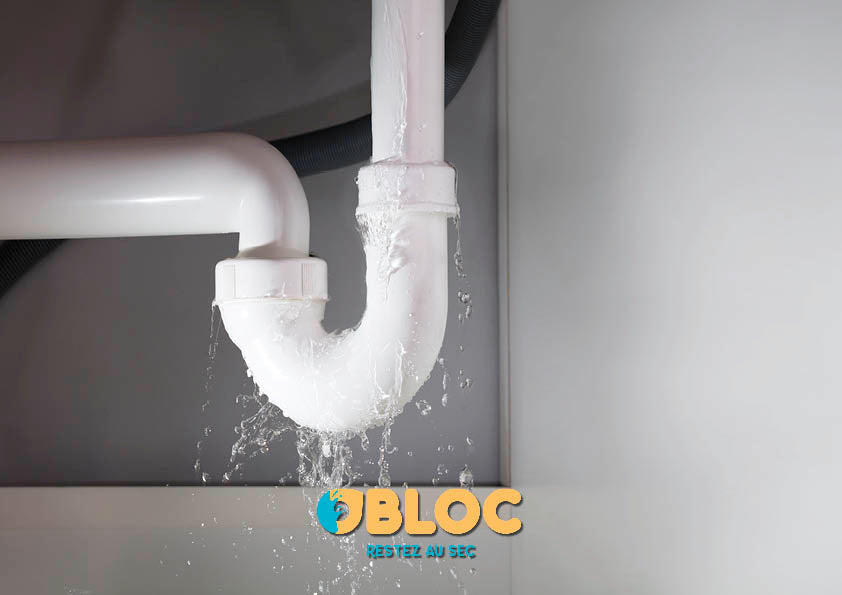
Plumbing leaks are one of the most common causes of indoor flooding in Coconut Creek homes. A broken pipe, leaking water heater, or faulty supply line can release large amounts of water in a short time. Even smaller leaks can saturate flooring, drywall, and insulation if they are not detected early. Flood restoration services play an essential role in removing water, drying affected materials, and restoring safe indoor conditions. Understanding the warning signs and prevention tips can help homeowners reduce damage and protect their property.
How Plumbing Leaks Lead to Flood Damage
Plumbing systems run throughout a home, often inside walls, under floors, and above ceilings. When a leak occurs, water may spread into multiple areas before becoming visible.
Flood damage from plumbing leaks can affect:
- Carpets and flooring
- Drywall and insulation
- Cabinets and baseboards
- Subfloors and structural framing
- Air ducts and HVAC systems
Because moisture spreads quickly, early detection is critical.
Why Plumbing-Related Flooding Is Common in Coconut Creek
Homes in Coconut Creek face several factors that increase the likelihood of plumbing leaks and water damage:
- Aging plumbing components in older homes
- High water pressure in some residential areas
- Humid conditions that slow drying
- Continuous use of appliances such as washing machines and dishwashers
- Corrosion or wear in pipes and fittings
Humidity also makes it easier for moisture to remain trapped inside building materials.
Warning Signs of Flood Damage From Plumbing Leaks
Flooding caused by plumbing leaks is not always obvious at first. Homeowners should watch for early signs such as:
- Damp or musty odors
- Water stains on ceilings or walls
- Warped or buckling flooring
- Peeling paint or bubbling drywall
- Increased indoor humidity
- Sudden spikes in water bills
These signs often indicate moisture behind walls or beneath flooring.
Hidden Areas Where Water Often Spreads
Water from plumbing leaks frequently travels to areas that are not visible. Inspectors in Coconut Creek often find moisture in:
- Wall cavities near supply lines
- Beneath sinks and appliances
- Inside cabinets and vanities
- Subfloor materials below tile or carpet
- Air handler closets and surrounding walls
Because these areas are concealed, damage can worsen if not addressed promptly.
Why Immediate Flood Restoration Is Important
Acting quickly after a plumbing leak helps prevent:
- Mold growth in damp materials
- Structural damage to drywall and wood
- Persistent odors
- Damage to flooring and cabinetry
- Increased repair costs
Prompt restoration helps limit damage and speed up recovery.
Why DIY Drying Often Falls Short
Homeowners sometimes attempt to dry flooded areas using fans or towels. While this may remove visible water, it often does not eliminate deep moisture.
DIY drying may fall short because:
- Moisture remains trapped in subfloors and walls
- Humidity slows evaporation
- Hidden water pockets are not detected
- Materials may appear dry while still damp internally
Professional equipment is designed to remove moisture from deep within building materials.
Flood Restoration Process Explained
Flood restoration services typically follow a structured process to ensure thorough results.
Step 1: Inspection and Moisture Detection
Technicians assess the affected areas and measure moisture levels in walls, flooring, and structural components.
Step 2: Water Extraction
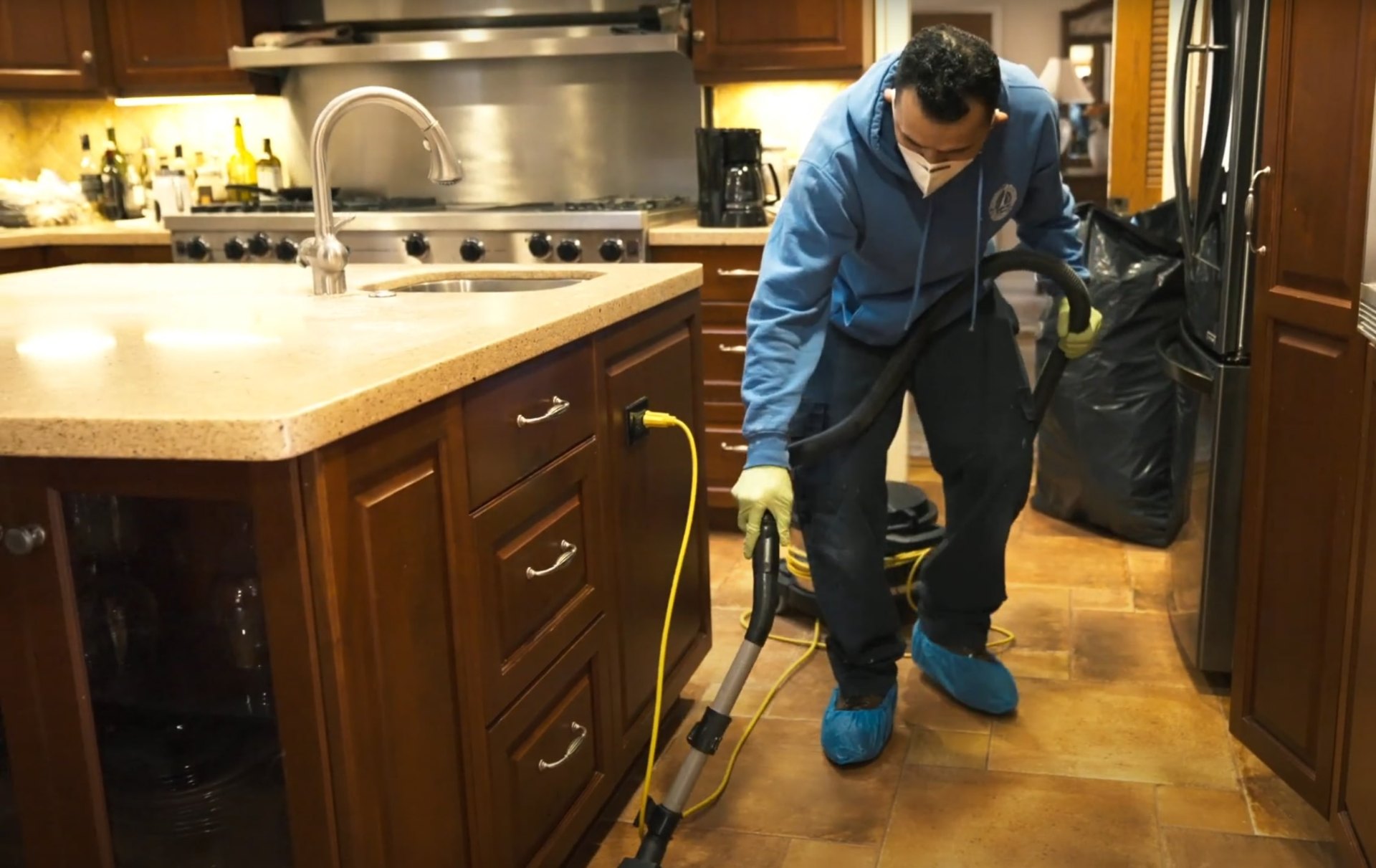
Standing water is removed using high-powered pumps and extraction equipment.
Step 3: Removal of Damaged Materials
Heavily saturated materials such as carpet padding or damaged drywall may be removed if they cannot be dried safely.
Step 4: Structural Drying
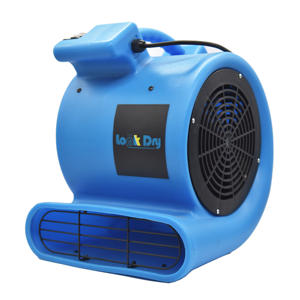
Air movers and dehumidifiers are used to remove moisture from structural materials and stabilize indoor humidity.
Step 5: Cleaning and Sanitizing
Affected areas are cleaned to remove contaminants and reduce odors.
Step 6: Monitoring and Final Inspection
Moisture levels are checked until materials reach safe and stable conditions.
Pompano Mold Inspection and Testing often evaluates moisture conditions and water damage in Coconut Creek and surrounding Broward County communities, helping homeowners determine the extent of restoration needed.
Mold Risks After Plumbing Leaks
Moisture left untreated can create conditions where mold begins to grow. Mold may develop in:
- Drywall and insulation
- Carpet backing and padding
- Cabinet interiors
- HVAC systems near damp areas
If mold is detected, remediation may include removing contaminated materials, cleaning surfaces, and thoroughly drying affected areas.
HVAC Systems and Moisture After Flooding
Water damage and high humidity can affect HVAC systems and indoor air quality. Moisture near air handlers or ductwork may lead to:
- Musty odors circulating through vents
- Condensation buildup
- Reduced airflow efficiency
Inspecting HVAC systems after flooding helps prevent additional problems.
Prevention Tips That Help Reduce Plumbing Flood Damage
Homeowners in Coconut Creek can reduce the risk of plumbing leaks and flooding by following practical maintenance steps:
- Inspect plumbing fixtures and supply lines regularly
- Replace aging hoses and fittings
- Monitor water pressure levels
- Maintain water heaters and appliances
- Repair leaks promptly
Routine inspections often prevent small issues from becoming major problems.
Monitoring Humidity and Moisture
Controlling indoor humidity is important after any plumbing leak. Helpful steps include:
- Using dehumidifiers to remove excess moisture
- Running air conditioning to maintain stable humidity levels
- Increasing airflow in damp areas
- Monitoring rooms that were previously affected by water
Maintaining balanced humidity helps prevent mold growth.
Why Local Experience Matters
Flood restoration in South Florida requires an understanding of local climate conditions. Professionals familiar with Coconut Creek understand:
- How humidity affects drying times
- Typical plumbing and drainage issues in Broward County homes
- Common moisture patterns after leaks and storms
This local knowledge helps restoration efforts be more effective.
A Practical Next Step for Homeowners
Flood restoration after plumbing leaks is essential for protecting structural materials, maintaining indoor air quality, and preventing mold growth. Acting quickly, removing water thoroughly, and drying affected areas help reduce long-term damage.
With regular plumbing inspections, humidity control, and prompt repairs, homeowners in Coconut Creek can keep their homes dry, comfortable, and protected from plumbing-related flood damage.