


Flood Restoration Services in Fort Lauderdale in Coastal Homes: Expert Advice for Homeowners
Flooding is an ongoing concern for coastal homes in Fort Lauderdale. Proximity to the ocean, canals, and Intracoastal waterways increases exposure to storm surge, heavy rain, and rising groundwater. Even when floodwater appears minimal or recedes quickly, moisture often spreads into hidden areas of the home. Flood restoration services are essential for addressing this moisture properly and preventing long-term damage that is common in coastal environments.
For Fort Lauderdale homeowners near the coast, flood restoration is not just an emergency response. It is a critical part of protecting the structure, indoor conditions, and long-term value of the home.
Why Coastal Homes in Fort Lauderdale Face Higher Flood Risk
Coastal Fort Lauderdale homes are exposed to multiple flooding sources. Heavy rain can overwhelm drainage systems, while storm surge pushes water inland during tropical storms and hurricanes. High tides combined with rain events can raise groundwater levels, allowing water to enter homes through slab foundations and lower walls.
Wind-driven rain often enters through roof edges, windows, and exterior wall penetrations. Even homes that avoid visible flooding may still experience moisture intrusion in attics, walls, and crawl spaces.
Nearby areas such as Lauderdale-by-the-Sea, Lighthouse Point, and Pompano Beach experience similar risks, but direct coastal exposure often makes flooding more frequent and complex in Fort Lauderdale homes.
What Flood Restoration Really Involves
Flood restoration is a structured process designed to remove water, dry affected materials, and repair damage safely. It goes far beyond mopping floors or removing visible water.
Water from flooding often travels behind drywall, under flooring, and into insulation. Flood restoration ensures these hidden areas are identified and dried properly before repairs begin.
In South Florida’s humid climate, thorough restoration is essential because moisture dries slowly and can continue causing damage long after floodwater is gone.
Early Signs Flood Restoration Is Needed
Some flood damage is obvious, such as standing water or soaked flooring. Other signs develop gradually and are often overlooked.
A persistent musty or damp odor is one of the earliest indicators that moisture remains in the home. Discoloration near baseboards, peeling paint, bubbling drywall, or warped floors suggest water intrusion.
Increased indoor humidity or rooms that feel damp despite air conditioning use often indicate hidden moisture from flooding.
Hidden Moisture in Coastal Homes after Flooding
Hidden moisture is one of the biggest challenges in coastal flood restoration. Water can remain trapped behind walls, beneath flooring, and inside insulation for weeks if not addressed properly.
Slab foundation homes are especially vulnerable. Moisture can wick upward from saturated concrete and affect baseboards, cabinets, and lower walls long after the flood event.
Without moisture detection, these hidden areas often continue to cause damage even after surface repairs are completed.
Why Flood Cleanup Alone Is Not Enough
Basic cleanup focuses on removing visible water and debris. While this is an important first step, it does not address moisture trapped inside building materials.
Fans and air conditioning may dry surfaces, but they rarely dry wall cavities, insulation, or subfloors effectively. In coastal Fort Lauderdale homes, high humidity further slows drying.
Flood restoration services fill this gap by combining inspection, professional drying, and moisture monitoring to ensure the home is truly dry.
Flood Restoration Inspection Explained
Effective flood restoration begins with inspection. The goal is to understand where water entered the home and how far it spread.
Visual inspection is combined with moisture detection tools that locate damp materials inside walls, floors, and ceilings. Moisture meters and thermal imaging help identify problem areas without unnecessary demolition.
In coastal homes, inspections often focus on slab edges, exterior walls, lower levels, attics, and areas near doors and windows.
Water Removal and Controlled Drying
Once inspection is complete, water removal begins. Standing water is extracted quickly to limit further absorption into materials.
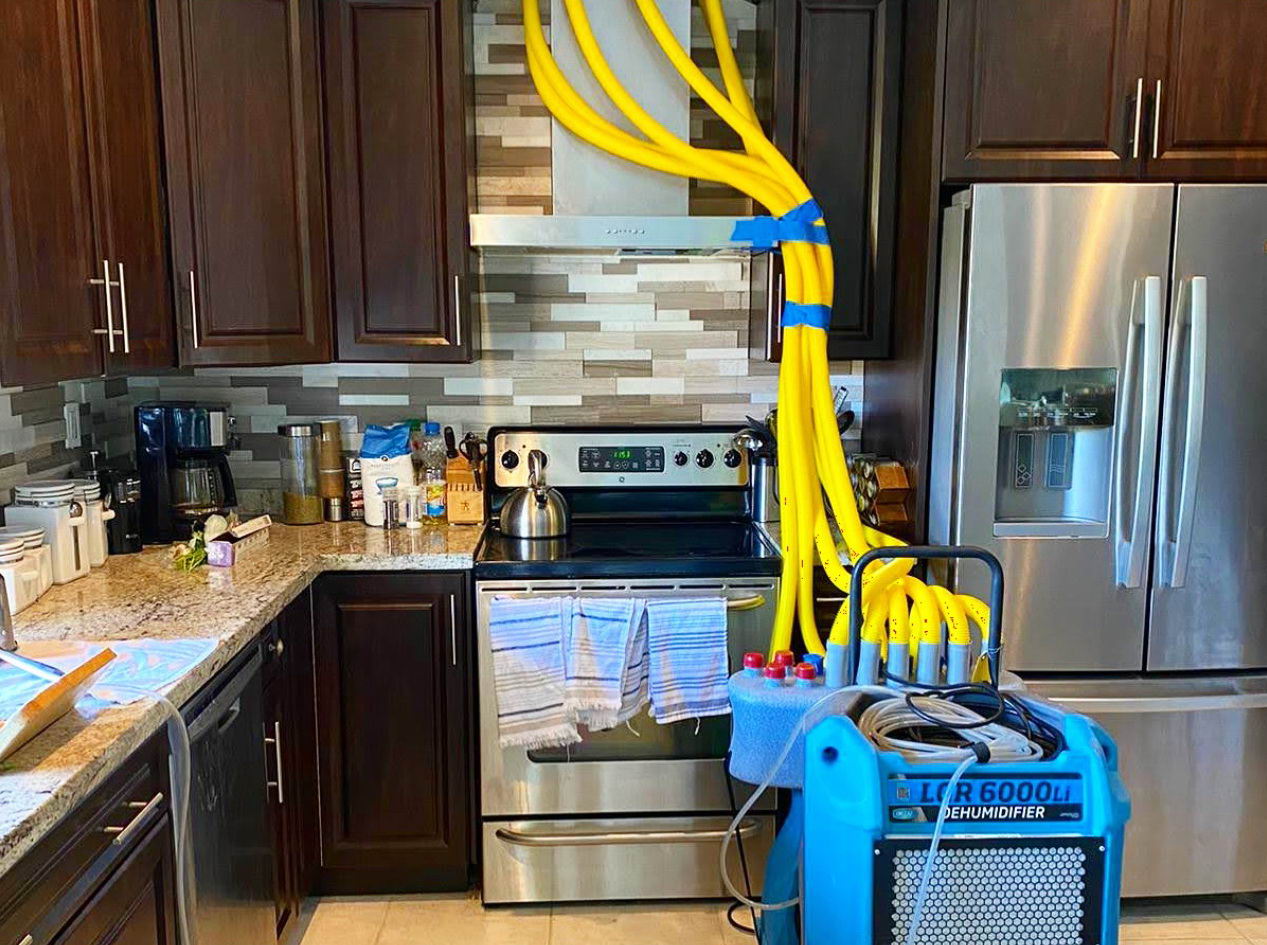
Controlled drying then removes moisture from affected areas. Airflow, temperature, and humidity are carefully managed to dry walls, floors, insulation, and structural components safely.
Moisture levels are monitored throughout the process to confirm materials return to safe ranges before repairs begin.
Repairing Flood-Damaged Materials Properly
After drying, repairs focus on materials that cannot be salvaged. Flood-damaged drywall, insulation, flooring, baseboards, and cabinets may need to be removed and replaced.
Repairs should never begin until moisture levels are confirmed to be safe. Rebuilding over damp materials traps moisture and often leads to recurring damage or mold growth.
Repair work also addresses vulnerabilities that allowed floodwater to enter the home.
Connection Between Flooding and Mold Growth
Flooding and mold growth are closely linked, especially in coastal environments. Mold requires moisture to grow, and flood-damaged materials provide ideal conditions.
Mold often begins growing in hidden areas before becoming visible. Proper flood restoration significantly reduces mold risk by removing moisture quickly and thoroughly.
When flooding exposure is prolonged, mold inspection and remediation may also be necessary as part of restoration.
Role of AC Systems during Flood Recovery
Air conditioning systems play an important role in flood recovery. While AC helps reduce humidity, damaged or poorly maintained systems can introduce additional moisture through clogged drain lines or duct condensation.
Inspecting AC components and ductwork during flood restoration helps prevent secondary moisture problems and supports effective drying.
In coastal homes, managing AC moisture is especially important due to constant humidity.
Flood Restoration Costs in Coastal Homes
Flood restoration costs vary depending on how much water entered the home, how long it remained, and how far it spread. Coastal flooding often affects lower walls, flooring, and cabinets, increasing restoration complexity.
Homes with hidden moisture inside walls or insulation typically require more extensive drying and repair. Early action often reduces overall costs by limiting how much damage spreads.
Understanding the scope of damage through inspection helps homeowners plan repairs more effectively.
Preventing Future Flood Damage in Coastal Fort Lauderdale Homes
Flood restoration also helps identify ways to reduce future risk. Improving exterior drainage, sealing doors and windows, and maintaining roofs reduce water intrusion.
Elevating vulnerable materials, improving landscaping drainage, and inspecting slab foundations help limit future flooding effects. Monitoring indoor humidity and performing moisture checks after storms provide early warning.
Preparation and prevention are especially important for coastal homes during hurricane season.
Why Local Experience Matters
Flood restoration in coastal Fort Lauderdale homes requires local knowledge. Storm surge patterns, tidal influences, humidity, and coastal construction styles all affect how water behaves inside homes. Local experience helps ensure inspections are thorough and restoration methods are appropriate for Broward County’s coastal conditions.
Pompano Mold Inspection and Testing brings that local expertise to flood restoration, moisture detection, mold inspection, and water damage services throughout Fort Lauderdale, Lauderdale-by-the-Sea, Lighthouse Point, Pompano Beach, Deerfield Beach, Margate, Coconut Creek, North Lauderdale, and surrounding Broward County communities.
Expert Guidance for Coastal Homeowners
Flooding is an unfortunate reality for many coastal homeowners in Fort Lauderdale. Flood restoration services provide the structured approach needed to remove moisture, repair damage, and protect homes from long-term problems. With proper inspection, controlled drying, and targeted repairs, coastal homes can recover safely and remain better protected against future flooding events.
