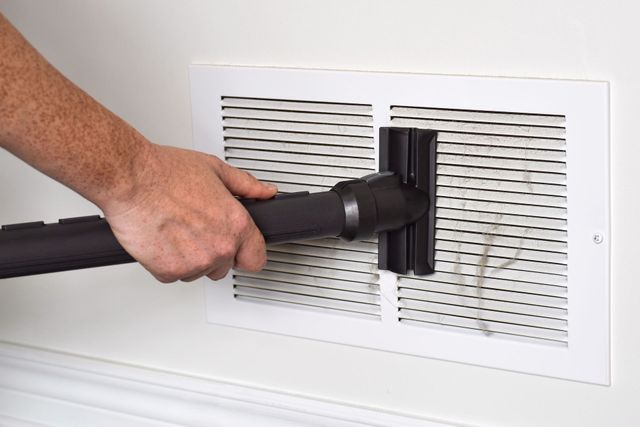
Fort Lauderdale Air Duct Cleaning during the Rainy Season: Inspection and Repair Guide
In Fort Lauderdale, the rainy season brings heavy rainfall, high humidity, and frequent storms. While most homeowners focus on roofs, windows, and drainage during this time, one critical area often overlooked is the air duct system. Air ducts play a central role in indoor air quality and HVAC efficiency, and during the rainy season, they are especially vulnerable to moisture buildup, dust accumulation, and mold growth.
Air duct cleaning, along with proper inspection and repairs, helps protect indoor air quality, maintain system efficiency, and prevent long-term damage. Understanding how duct systems are affected during the rainy season and how the inspection and repair process works can help property owners maintain a healthy indoor environment.
What Happens to Air Ducts During the Rainy Season
Air ducts circulate cooled air throughout the home, but during periods of high humidity, condensation can develop inside ductwork or on duct insulation. Rainy conditions often increase indoor humidity, which places additional strain on HVAC systems.
During the rainy season, duct systems may experience:
- Moisture buildup from humid air
- Dust and debris accumulation
- Condensation on duct surfaces
- Mold growth in damp areas
- Reduced airflow due to buildup
Because duct systems are hidden in ceilings, attics, or walls, these problems may go unnoticed until air quality begins to decline.
Why Rainy Season Conditions Affect Fort Lauderdale Homes
Fort Lauderdale’s climate makes duct maintenance especially important during the rainy season.
High humidity levels slow evaporation, allowing condensation to remain inside ducts.
Frequent storms and heavy rain can increase indoor humidity and allow moisture to enter attic spaces where ducts are located.
Warm attic temperatures combined with cool air inside ducts often lead to condensation on insulation.
Continuous air conditioning use means systems run longer hours, increasing the likelihood of moisture buildup and dust accumulation.
Homes in nearby areas such as Lighthouse Point, Deerfield Beach, and Lauderdale-by-the-Sea face similar challenges because of coastal humidity and seasonal rainfall.
Common Signs Air Duct Cleaning May Be Needed
Duct problems often develop gradually, but homeowners and property managers may notice warning signs.
Common indicators include:
- Musty or damp odors when the AC runs
- Dust buildup around vents
- Uneven airflow or cooling
- Increased indoor humidity
- Rooms feeling stuffy or stale
These signs may indicate that moisture or debris is present in the duct system and that inspection is needed.
Hidden Problems That Inspections Often Reveal
Duct systems are complex and often run through areas that are rarely inspected, making hidden problems common.
Professional inspections frequently reveal:
- Damp or moldy duct insulation
- Dust and debris buildup deep inside ducts
- Condensation near air handlers
- Leaks in duct connections
- Blocked or restricted airflow
Attics in Fort Lauderdale homes are especially vulnerable, as rain and humidity can affect duct insulation without visible signs in living areas.
Early detection helps prevent larger repairs later.
Why DIY Duct Cleaning Often Falls Short
Some homeowners attempt to clean vents or replace filters to improve air quality. While these steps are helpful, they rarely address deeper issues inside duct systems.
DIY cleaning often falls short because:
- Debris deep inside ducts remains
- Moisture and condensation are not addressed
- Mold growth may go unnoticed
- Airflow issues are not corrected
Professional equipment is designed to clean entire duct systems safely and thoroughly, ensuring contaminants are fully removed.
Professional Air Duct Inspection Explained
A thorough inspection is the first step in effective duct cleaning and repair.
Technicians typically:
- Inspect duct interiors and insulation
- Check air handlers and coils
- Measure humidity levels
- Identify moisture or mold risks
- Evaluate airflow and ventilation performance
Local specialists such as Pompano Mold Inspection and Testing understand the humidity patterns and construction methods common in Fort Lauderdale homes. Their experience helps ensure that inspections identify both contamination and the underlying causes of moisture problems.
Accurate inspection allows repairs to address the root cause rather than temporary symptoms.
The Air Duct Cleaning and Repair Process
Professional duct cleaning and repair involve several steps designed to restore airflow and indoor air quality.
Typical steps include:
System preparation and sealing
The system is prepared to prevent debris from spreading.
High-powered vacuum cleaning
Specialized equipment removes dust, debris, and contaminants from ducts.
Inspection of insulation and connections
Damaged insulation or loose connections may be repaired or replaced.
Drying and moisture control
Air movers or dehumidifiers may be used if moisture is present.
Airflow verification
Technicians confirm that the system is operating efficiently after cleaning.
These steps help improve HVAC performance and reduce indoor humidity.
Mold Risks in Duct Systems
Moisture inside ducts creates ideal conditions for mold growth. Mold can spread spores through the ventilation system, affecting multiple rooms.
Mold in duct systems often develops in:
- Dust buildup areas
- Damp insulation
- Cooling coils and drain pans
- Air handlers
Cleaning ducts and correcting moisture sources significantly reduce these risks.
If mold is discovered, remediation may be recommended before cleaning is completed.
Flood Restoration and Moisture Control Considerations
During the rainy season, duct systems may be affected by roof leaks, attic moisture, or minor flooding. Even small amounts of water entering ductwork can lead to contamination if not dried properly.
Water damage restoration may include:
- Drying attic areas
- Removing saturated insulation
- Repairing roof leaks
- Inspecting ducts for moisture
Proper drying helps prevent mold growth and protects HVAC components.
Homes in Coconut Creek, Margate, and North Lauderdale often require similar inspections after heavy rain or storm events.
How to Prevent Future Duct Problems
Preventive maintenance is the most effective way to avoid duct damage during the rainy season.
Helpful steps include:
- Scheduling routine HVAC maintenance
- Replacing air filters regularly
- Inspecting attics and ducts after storms
- Cleaning AC drain lines
- Monitoring indoor humidity levels
Ensuring proper attic ventilation also helps reduce condensation and moisture buildup.
Regular inspections allow small issues to be corrected before they become major repairs.
Why Local Experience Matters
Air duct cleaning in coastal Florida requires knowledge of regional climate conditions and construction practices. High humidity, heavy rain, and continuous HVAC operation create challenges that differ from other regions.
Local professionals understand:
- Seasonal moisture patterns
- Ventilation challenges in South Florida homes
- Typical attic duct configurations
- Drying requirements in humid environments
Working with experienced providers such as Pompano Mold Inspection and Testing helps ensure that cleaning and repairs are tailored to local conditions and provide lasting results.
A Calm, Practical Next Step
Air duct cleaning during the rainy season is an important part of maintaining indoor air quality and HVAC efficiency in Fort Lauderdale homes. Moisture and debris can accumulate quietly inside ducts, affecting airflow and comfort over time.
Property owners who schedule inspections, maintain HVAC systems, and address moisture problems early can prevent costly repairs and maintain healthier indoor environments throughout the year.