
Fort Lauderdale Carpet Cleaning After Water Damage After Storm Damage: Common Causes and Solutions
Storm damage in Fort Lauderdale doesn’t always look dramatic. Sometimes the roof holds, windows stay intact, and there’s no standing water—yet carpets end up damp, musty, and slow to dry. After heavy rain or tropical systems, carpeted areas often absorb water from subtle intrusion points, and in South Florida’s humidity, that moisture can linger.
Understanding how storm damage affects carpets—and how proper carpet cleaning fits into recovery—helps homeowners act quickly and avoid longer-term problems.
How Storm Damage Leads to Carpet Water Issues
Storm-related carpet damage often starts with wind-driven rain. Water can enter through doors, windows, exterior walls, or small roof vulnerabilities and travel along floors into carpeted rooms.
Saturated soil after heavy rain can also push moisture upward through slab foundations. Even without visible flooding, this moisture can migrate beneath carpet and padding. Once padding absorbs water, it holds moisture against the slab, making natural drying extremely slow.
By the time homeowners notice dampness or odors, water has usually spread beyond the original entry point.
Why Fort Lauderdale Homes Are Especially Affected
Fort Lauderdale’s climate plays a major role. High humidity levels slow evaporation, and air conditioning—while essential—often dries the air unevenly when moisture is trapped under carpets.
Most homes are built on slab foundations, limiting airflow beneath flooring. After storms, indoor humidity rises, making it harder for carpets and padding to dry without professional extraction.
These conditions make post-storm carpet issues more common than many homeowners expect.
Common Storm-Related Causes of Carpet Damage
Heavy rain and tropical storms can overwhelm exterior drainage, allowing water to seep indoors. Roof damage or minor leaks may drip behind walls and reach carpeted areas without obvious ceiling stains.
Window and door seals can fail under wind pressure, letting water run along baseboards and into carpet. In some cases, AC condensation increases after storms due to humidity spikes, contributing additional moisture near floors.
Each of these causes requires more than surface drying.
Early Warning Signs After Storms
Water-damaged carpets don’t always look soaked. Musty or sour odors are often the first sign, especially when the AC runs.
Carpet may feel cool, slightly damp, or spongy underfoot. Padding breakdown can cause subtle unevenness. Discoloration or staining may appear near baseboards days after the storm has passed.
These signs usually indicate moisture trapped beneath the carpet surface.
Why Drying Alone Is Not Enough
Fans and dehumidifiers help reduce surface moisture, but they rarely remove water from saturated padding. Carpet fibers may dry while the padding underneath remains wet.
This trapped moisture continues to affect indoor comfort and often causes odors to return. Without proper extraction and cleaning, repeated drying attempts fail to resolve the underlying issue.
Effective carpet cleaning focuses on removing moisture from both carpet and padding.
How Professional Carpet Cleaning After Storm Damage Works
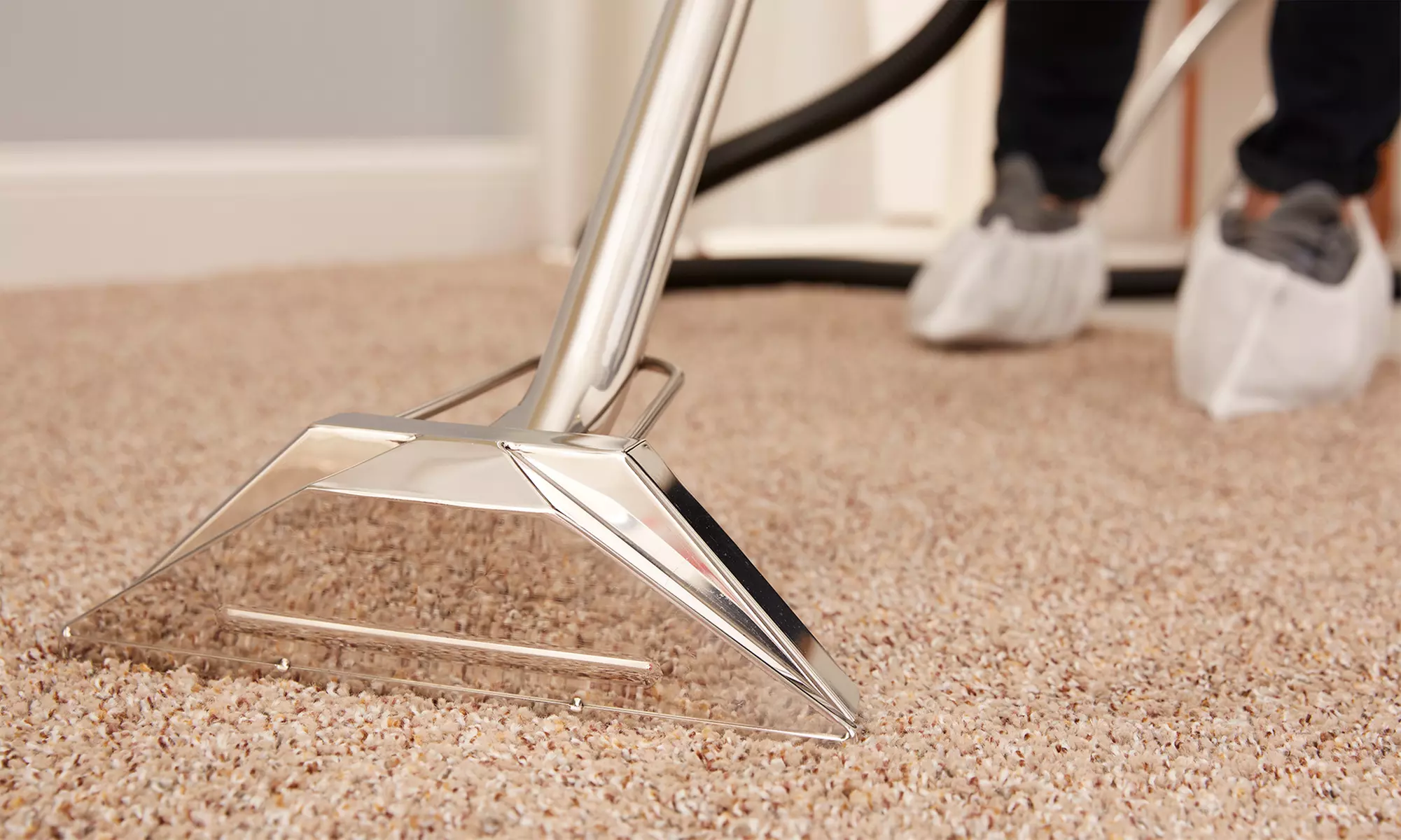
Professional carpet cleaning after water damage begins with water extraction. Specialized equipment removes moisture from carpet fibers and padding, pulling water away from the slab.
Moisture levels are measured to confirm drying progress. Cleaning removes residues left behind by stormwater, including dirt and contaminants that contribute to lingering odors.
If padding cannot be dried properly, replacement may be necessary to prevent ongoing moisture problems.
Hidden Problems Beneath Water-Damaged Carpets
Stormwater rarely stops at the carpet. Moisture can spread into baseboards, lower drywall, and adjacent rooms.
Wet padding pressed against a slab allows moisture to migrate along the floor, affecting areas that never felt wet initially. Carpet cleaning combined with moisture detection helps confirm whether water has spread beyond the visible area.
Catching these issues early prevents larger repair needs later.
Carpet Cleaning as Part of Storm Recovery
In Fort Lauderdale homes, carpet cleaning is often part of a broader storm recovery process. Drying, moisture detection, and inspection of nearby walls or HVAC components may also be needed.
When all moisture sources are addressed together, results last longer and repeat problems are less likely. Treating carpets alone without evaluating surrounding areas often leads to recurring odors or dampness.
A coordinated approach delivers better outcomes.
Cost Factors Homeowners Should Understand
The cost of carpet cleaning after storm damage depends on how long the carpet was wet, the size of the affected area, and whether padding or nearby materials are involved.
Quick response usually limits damage and cost. Delayed action often results in deeper saturation, longer drying times, or material replacement.
Early assessment helps homeowners make informed decisions without unnecessary work.
Preventing Future Storm-Related Carpet Damage
Prevention starts with storm readiness. Ensuring doors and windows are properly sealed reduces wind-driven rain intrusion. Exterior drainage should direct water away from the foundation.
After storms, early inspection of carpeted areas helps catch moisture before odors develop. Monitoring indoor humidity and responding quickly to dampness can prevent repeat issues.
Routine moisture detection as part of maintenance adds another layer of protection.
Why Local Experience Matters in Fort Lauderdale
Storm-related carpet damage behaves differently in South Florida than in other regions. Professionals familiar with Fort Lauderdale understand how humidity, slab foundations, and storm patterns affect drying and restoration.
Local experience helps ensure carpet cleaning is thorough and appropriately timed. Companies like Pompano Mold Inspection and Testing bring regional insight when addressing storm-related water damage in Fort Lauderdale and surrounding Broward County communities.
A Practical Takeaway for Homeowners
Storm damage doesn’t have to result in long-term carpet problems, but trapped moisture must be handled correctly. Proper carpet cleaning after water damage removes hidden moisture, controls odors, and protects surrounding materials.
For Fort Lauderdale homeowners, understanding common causes and proven solutions makes storm recovery faster, cleaner, and far more effective in a humid coastal climate.
