
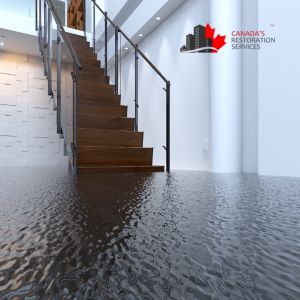


Fort Lauderdale Flood Restoration From Poor Ventilation: Early Signs You Should Not Ignore
Flood restoration in Fort Lauderdale is often associated with storms or plumbing failures, but poor ventilation is an overlooked cause that quietly worsens flood damage. When ventilation is inadequate, moisture introduced by leaks, condensation, or minor flooding cannot escape. Instead, it lingers inside walls, ceilings, floors, and HVAC systems, turning small water events into major restoration issues.
Understanding how poor ventilation contributes to flood damage, and recognizing the early warning signs, helps homeowners act before moisture causes widespread problems in Fort Lauderdale’s humid coastal climate.
Why Poor Ventilation Makes Flood Damage Worse
Ventilation allows moisture to exit a home through controlled airflow. When airflow is limited, humid air becomes trapped.
After water enters a home, whether from a leak, overflow, or storm exposure, poor ventilation slows evaporation. Moisture remains active inside materials much longer than expected.
Air conditioning systems may continue circulating damp air without removing enough humidity, especially if airflow is restricted or exhaust pathways are inadequate.
In Fort Lauderdale, where outdoor humidity is already high, poor ventilation creates the perfect environment for moisture to settle and spread.
How Flood Damage Can Start Without Obvious Flooding
Not all flood damage involves standing water across the floor. In many homes, flood-related damage begins subtly.
AC condensation overflow, backed-up drains, or minor water intrusion may only introduce small amounts of water at a time.
With proper ventilation, this moisture might dry naturally. Without it, moisture accumulates inside materials.
Over time, repeated moisture exposure leads to saturation that resembles traditional flood damage, even though no major flooding event occurred.
Early Warning Signs You Should Not Ignore
A persistent musty or damp odor is often the first sign. If the smell lingers even when surfaces look dry, trapped moisture is likely present.
Rooms that feel humid, heavy, or sticky despite normal AC operation often indicate poor airflow and retained moisture.
Discoloration on walls or ceilings, including faint yellow or brown stains, can signal water trapped behind surfaces.
Paint that bubbles, peels, or cracks without an obvious leak often points to moisture buildup rather than surface humidity alone.
Warped baseboards, soft drywall, or flooring that feels uneven suggest prolonged moisture exposure.
Condensation on vents or walls long after a water event is another red flag tied to ventilation problems.
Ignoring these signs allows damage to spread quietly.
Where Flood-Related Moisture Commonly Hides
In Fort Lauderdale homes, moisture often hides in wall cavities near exterior walls or bathrooms.
Ceiling cavities and attics are common problem areas, especially when ventilation is limited and warm, moist air rises.
Under flooring is another frequent location, particularly in slab-on-grade homes where moisture becomes trapped beneath tile, vinyl, or carpet.
HVAC systems may also be affected. Poorly ventilated air handlers and ductwork can collect moisture and redistribute it throughout the home.
These hidden areas require targeted inspection to assess accurately.
Why Surface Drying Is Not Enough
Many homeowners attempt to dry affected areas using fans or by increasing AC usage. While this may dry surfaces, it rarely removes moisture trapped inside materials.
Poor ventilation prevents air movement through wall cavities, under floors, and inside ceilings.
As a result, moisture remains active even when rooms appear dry and comfortable.
Flood restoration must address both moisture and airflow to be effective.
How Flood Restoration Addresses Ventilation-Related Moisture
Flood restoration begins with a detailed assessment to identify where moisture entered and how far it spread.
Moisture detection tools are used to locate water inside walls, ceilings, floors, and insulation.
Once affected areas are identified, water removal and controlled drying begin. Dehumidifiers and air movers are strategically placed to overcome poor airflow.
Ventilation improvements may be necessary to allow moisture to escape and prevent reaccumulation.
Drying is monitored until materials reach safe moisture levels, not just until surfaces feel dry.
Pompano Mold Inspection and Testing provides flood restoration and moisture management services in Fort Lauderdale with a focus on identifying ventilation-related moisture problems early.
How Poor Ventilation Affects Drying Time
In homes with limited ventilation, drying takes significantly longer.
Moist air becomes trapped, reducing the effectiveness of drying equipment.
Without correcting airflow issues, moisture can remain active for weeks, increasing the risk of secondary damage.
Flood restoration plans must account for ventilation conditions to ensure drying is complete.
Flood Restoration and Mold Risk
Moisture combined with poor ventilation creates ideal conditions for mold growth.
Hidden damp materials inside walls, ceilings, and HVAC systems provide the environment mold needs to develop.
Flood restoration that includes proper drying and ventilation correction significantly reduces this risk.
Addressing ventilation is one of the most effective ways to prevent mold after flood-related moisture events.
Practical Steps Homeowners Can Take Early
Pay attention to odors and humidity changes after leaks or water events.
Inspect ceilings, walls, and floors for subtle changes, not just obvious water damage.
Ensure bathrooms, laundry rooms, and kitchens have functioning exhaust fans.
Avoid sealing or repainting areas until moisture levels are confirmed dry.
Schedule professional moisture detection if poor ventilation or repeated condensation has been an issue.
Early action limits the scope of restoration and reduces long-term costs.
Why Local Experience Matters in Fort Lauderdale
Flood behavior varies by location. Fort Lauderdale homes face unique challenges related to coastal humidity, storm exposure, and construction styles.
Local professionals understand how poor ventilation affects flood damage in these homes and where moisture typically remains trapped.
This experience leads to more accurate assessments and more effective restoration strategies.
A Practical Takeaway for Homeowners
Flood restoration in Fort Lauderdale is not only about removing water. When poor ventilation is involved, moisture can linger long after the initial event.
Recognizing early warning signs and addressing ventilation-related moisture promptly helps prevent widespread damage.
By acting early and taking a comprehensive approach to flood restoration, homeowners can protect their property, reduce repair costs, and maintain stable indoor conditions in Fort Lauderdale’s challenging climate.
