

Fort Lauderdale Moisture Detection After Roof Leaks: A Complete Homeowner Guide
Roof leaks in Fort Lauderdale rarely stop at the ceiling. Even small or short-term leaks can push water deep into attics, wall cavities, insulation, and flooring. Because South Florida’s humidity slows drying, this moisture often remains active long after the leak itself is repaired.
Moisture detection after a roof leak is one of the most important steps homeowners can take. It confirms whether the home is truly dry, identifies hidden water early, and helps prevent long-term damage that often appears weeks or months later.
Why Roof Leaks Are Especially Risky in Fort Lauderdale
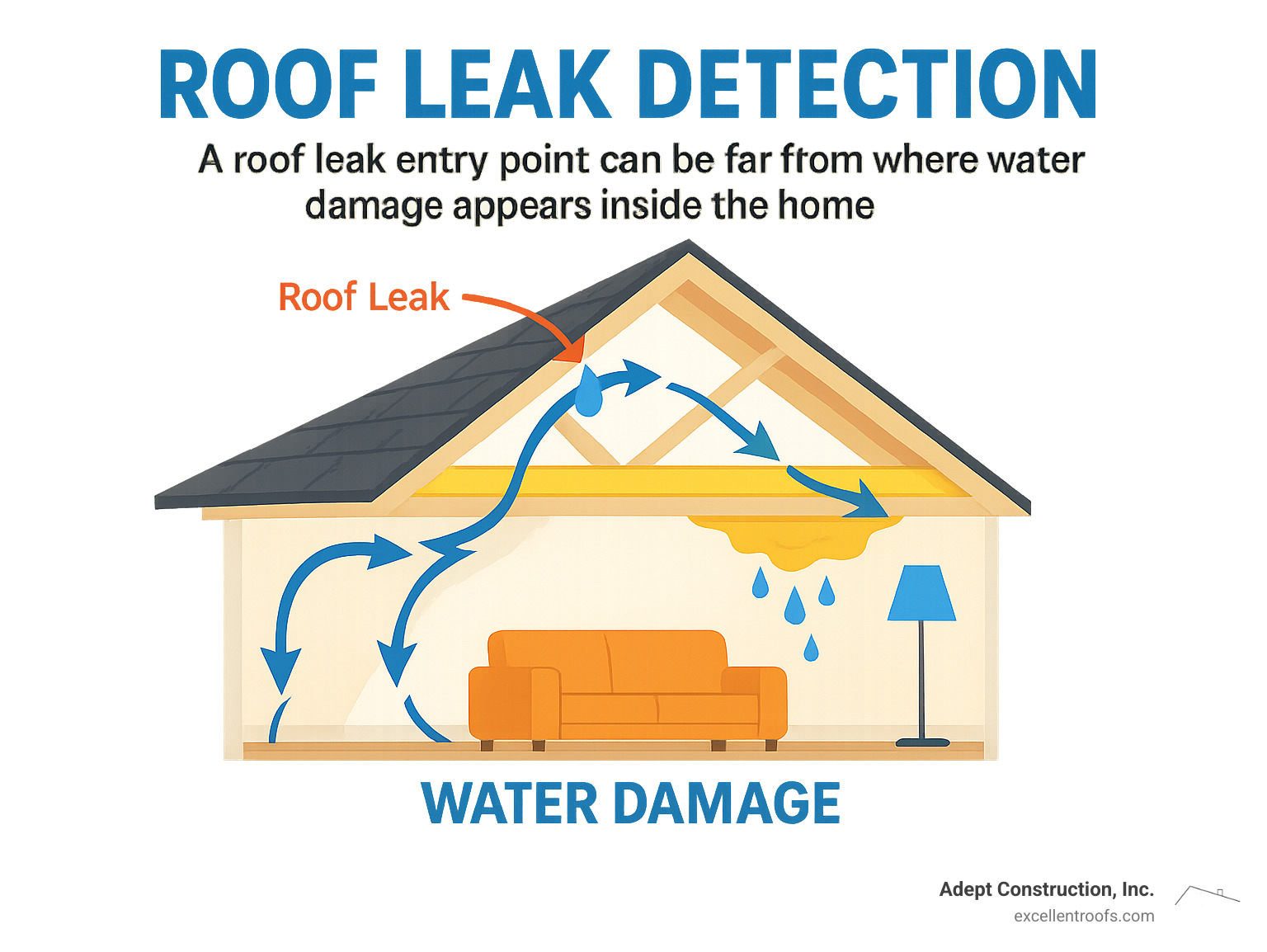
Fort Lauderdale experiences frequent heavy rain, wind-driven storms, and long periods of high humidity. When a roof leak occurs, water rarely enters in a straight line.
Wind can push rain under shingles, flashing, and roof penetrations, allowing moisture to spread far from the original leak point.
Once inside, moisture moves easily through insulation, framing, and drywall. High humidity prevents fast evaporation, allowing damp materials to stay wet longer.
Even after visible leaks are fixed, trapped moisture can continue causing damage if it is not detected and addressed.
Common Causes of Roof Leaks in Fort Lauderdale Homes
Storm damage is one of the leading causes. Strong winds can lift shingles, damage flashing, or loosen roof components.
Aging roofing materials may crack or deteriorate faster due to heat, UV exposure, and salt air.
Clogged gutters and drainage issues can force water back under roofing materials during heavy rain.
Roof penetrations such as vents, skylights, and chimneys are frequent entry points for water if seals fail.
Flat or low-slope roofs common in some Fort Lauderdale homes are especially vulnerable to pooling water and slow leaks.
Where Moisture Commonly Hides After Roof Leaks
After a roof leak, moisture often collects in the attic first. Insulation can absorb water and remain damp long after rain stops.
Ceiling cavities below the attic are another common moisture trap. Drywall may look normal while moisture sits above it.
Water can also travel down wall cavities, affecting insulation, framing, and even lower floors.
In some cases, moisture reaches flooring systems, especially if leaks continue over time.
Because water spreads easily, moisture is often found far from the visible stain.
Early Warning Signs Homeowners Should Watch For
Water stains on ceilings or walls are obvious signs, but they often appear late.
Musty or damp odors, especially after rain, often indicate hidden moisture.
Paint that bubbles, peels, or cracks following storms suggests water behind surfaces.
Ceilings that feel soft, sag slightly, or show discoloration may be holding moisture.
Increased indoor humidity or a lingering damp feeling in specific rooms can also point to trapped water.
Moisture detection helps confirm whether these signs are linked to active moisture.
Why Visual Checks Are Not Enough After Roof Leaks
After repairs, ceilings and walls may dry on the surface while moisture remains inside insulation or framing.
Homeowners often assume the problem is resolved once stains are repainted or roofing is fixed.
Sealing moisture inside walls or ceilings without detection is one of the most common reasons for future damage.
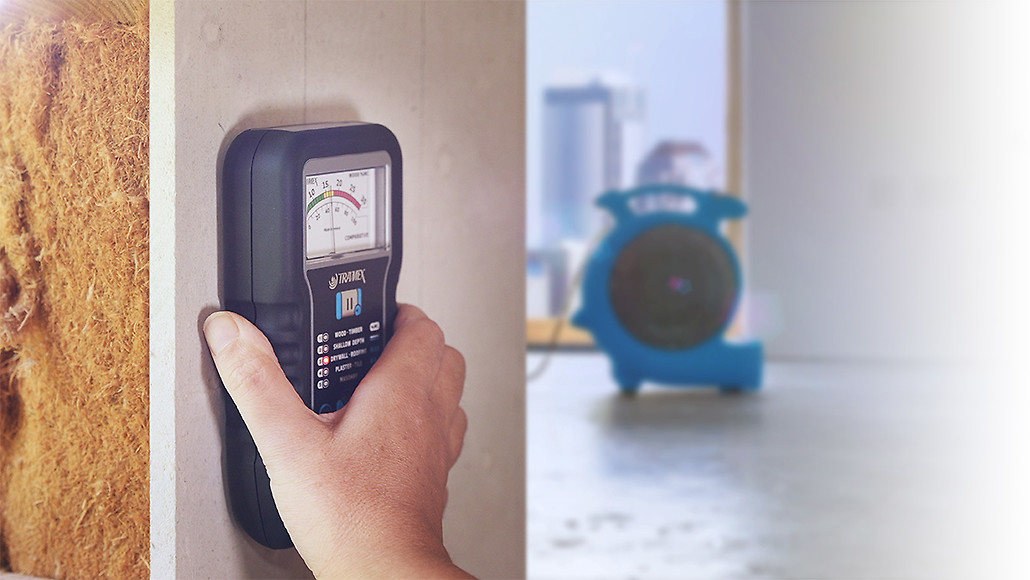
Moisture detection tools provide objective confirmation that materials are truly dry, not just visually dry.
How Professional Moisture Detection Works
Moisture detection begins with a focused inspection of areas affected by the roof leak and surrounding spaces.
Moisture meters are used to measure water content inside drywall, ceilings, insulation, and framing.
Thermal imaging may help identify temperature differences caused by moisture evaporation, revealing hidden damp areas.
Attics are carefully evaluated, as wet insulation can continue releasing moisture into the home.
The goal is to map where moisture spread and determine whether drying is complete.
Pompano Mold Inspection and Testing provides moisture detection services in Fort Lauderdale to help homeowners identify hidden water after roof leaks and guide proper recovery.
Moisture Detection and Proper Drying
Drying without moisture detection often leaves water behind. Fans and dehumidifiers may dry exposed areas but miss trapped moisture.
Moisture detection shows exactly where drying equipment is needed and when materials have reached safe moisture levels.
This prevents premature repairs and reduces the risk of future damage.
Proper drying guided by detection protects ceilings, walls, and insulation from ongoing deterioration.
Preventing Mold Through Early Moisture Detection
Moisture is the main driver of mold growth. After roof leaks, damp insulation and drywall create ideal conditions for mold.
Moisture detection helps locate wet areas before mold has time to develop.
By removing moisture early, homeowners significantly reduce the likelihood of mold-related repairs later.
This makes moisture detection one of the most effective preventive steps after roof leaks.
Moisture Detection Before Repairs or Repainting
One of the most common mistakes after roof leaks is repairing or repainting too soon.
If moisture remains behind walls or ceilings, sealing it in often leads to peeling paint, recurring stains, and hidden damage.
Moisture detection confirms whether it is safe to proceed with repairs.
This step protects the quality and longevity of restoration work.
HVAC Systems and Roof Leak Moisture
Roof leaks can affect HVAC systems indirectly. Attic moisture may impact ductwork or insulation around air handlers.
Sweating ducts or increased condensation can occur if attic humidity rises due to roof leaks.
Moisture detection often includes checking areas around HVAC components to ensure systems are not contributing to ongoing moisture issues.
Addressing these issues early prevents widespread indoor problems.
Practical Steps Homeowners Can Take After Roof Leaks
Repair the roof promptly, but do not assume the interior is dry.
Inspect attics, ceilings, and walls after storms, even if no stains are visible.
Pay attention to new odors or humidity changes.
Avoid sealing or repainting until moisture levels are confirmed dry.
Schedule professional moisture detection if the leak lasted more than a short time or occurred during heavy rain.
Early action limits long-term costs.
Why Local Experience Matters in Fort Lauderdale
Moisture behavior varies by location. Fort Lauderdale homes face unique challenges related to coastal weather, humidity, and roofing styles.
Local professionals understand how roof leaks typically spread moisture in these homes and where water tends to remain trapped.
This experience leads to more accurate detection and more effective prevention.
A Smart Step After Roof Leaks
Roof repairs stop new water from entering, but moisture detection ensures past water is fully addressed.
For Fort Lauderdale homeowners, moisture detection after roof leaks provides clarity, protects the structure, and helps prevent future damage.
Taking this step ensures the home truly recovers, not just on the surface, but where it matters most.
