


Fort Lauderdale Mold Remediation after Hurricanes: Inspection and Repair Guide
Hurricanes are a reality of life in Fort Lauderdale, and their impact often goes far beyond visible storm damage. After the wind dies down and floodwaters recede, many property owners are left dealing with hidden moisture that can quickly turn into mold. In South Florida’s warm, humid environment, mold growth after a hurricane is common and often develops before homeowners realize there is a problem. Understanding how mold remediation works after hurricanes helps property owners take the right steps to protect their homes and buildings.
In Fort Lauderdale, post-hurricane mold is rarely caused by one obvious issue. It usually results from a combination of water intrusion, prolonged moisture, and limited drying time. Proper inspection and repair focus on identifying where moisture remains and addressing it before mold spreads further.
How Hurricanes Lead to Mold Problems
Hurricanes introduce large amounts of water into buildings in a short time. Heavy rain, storm surge, and wind-driven water can enter through roofs, windows, doors, and walls. Even properties that do not experience obvious flooding can still absorb moisture through small openings and damaged building materials.
Power outages after hurricanes make the problem worse. Without air conditioning running, indoor humidity rises quickly. Materials like drywall, insulation, wood framing, and carpet absorb moisture and remain damp for extended periods. These conditions create an ideal environment for mold growth.
In Fort Lauderdale and nearby areas like Lauderdale-by-the-Sea, Pompano Beach, and Lighthouse Point, mold can begin developing within days after a storm if moisture is not properly addressed.
Early Warning Signs after a Hurricane
Some signs of post-hurricane mold appear quickly, while others develop over time. Musty or earthy odors are often one of the first indicators, especially when entering rooms that were closed during or after the storm. Discoloration on walls or ceilings, peeling paint, or bubbling drywall can point to moisture trapped behind surfaces.
Property owners may also notice increased indoor humidity, condensation on vents or windows, and soft or warped flooring. Mold spots that appear days or weeks after a hurricane are often a sign that moisture was never fully removed.
Hidden Moisture Sources after Storms
After hurricanes, moisture often hides in places that are not immediately visible. Water can soak insulation inside walls and attics, remain under flooring, or collect inside air ducts. Roof damage may allow water to enter and travel along framing before showing up far from the original entry point.
AC systems are another common source of hidden moisture. Floodwater or debris can affect drain lines and components, leading to condensation leaks once systems are restarted. Slab foundations, common in Fort Lauderdale, can also absorb water and release moisture slowly into the home over time.
Why Post-Hurricane Mold Is Often Missed
Many property owners focus on obvious storm damage and overlook hidden moisture. Once standing water is removed and surfaces appear dry, it is easy to assume the problem is solved. However, moisture trapped inside materials can remain long after surfaces feel dry to the touch.
DIY drying methods, such as fans or dehumidifiers, may help with surface moisture but often fail to address deeper saturation. Without proper inspection, mold can begin growing out of sight and spread before it is detected.
Post-Hurricane Mold Inspection Explained
A professional mold inspection after a hurricane focuses on identifying moisture and mold that are not visible. Inspectors use moisture meters, thermal imaging, and humidity measurements to locate damp areas inside walls, ceilings, floors, and duct systems.
In Fort Lauderdale properties, inspections typically prioritize areas most affected by storms, including roofs, exterior walls, windows, doors, attics, AC systems, and lower levels of the home. Mold inspection and testing may be used to confirm hidden mold growth and guide remediation efforts.
This step is critical after hurricanes because it helps ensure no moisture pockets are overlooked.
Mold Remediation Process after Hurricanes
Proper mold remediation after a hurricane follows a controlled and thorough process. Affected areas are isolated to prevent mold from spreading during removal. Contaminated materials such as drywall, insulation, carpeting, or baseboards are removed when they cannot be safely dried or cleaned.
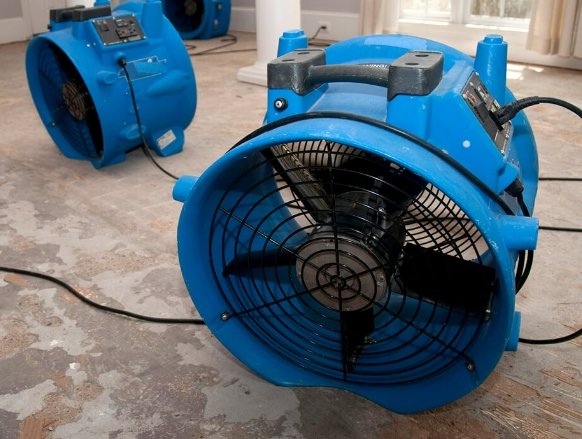
Remaining surfaces are cleaned and treated using appropriate methods, and moisture levels are carefully managed. Drying equipment is used as needed to ensure materials return to safe moisture levels. Addressing moisture is just as important as removing mold itself.
Water Removal and Flood Restoration Considerations
In many Fort Lauderdale homes, hurricane-related mold is linked to flooding or significant water intrusion. Flood restoration services focus on water removal, structural drying, and moisture monitoring. Even after visible water is gone, moisture can remain trapped deep within materials.
Proper flood restoration reduces the risk of mold developing weeks or months after the storm. This is especially important in properties near waterways or low-lying areas that are more prone to flooding.
Repairing Hurricane-Related Damage
Mold remediation often overlaps with repair work after hurricanes. Roof repairs, window sealing, drywall replacement, and insulation repairs may be necessary to restore affected areas. Addressing these issues ensures that moisture does not continue to enter the structure.
AC systems and ductwork may also require inspection and cleaning if they were exposed to moisture. Air duct cleaning and AC-related moisture repairs help prevent mold from spreading through the system once it is back in operation.
Preventing Mold after Future Hurricanes
Preparation and early action make a significant difference. After a hurricane, properties should be inspected as soon as it is safe to do so. Removing water quickly, drying affected areas thoroughly, and monitoring moisture levels reduce the risk of mold growth.
Maintaining roofs, sealing windows and doors, and keeping AC drain lines clear also help minimize water intrusion during storms. Knowing where moisture is most likely to collect allows property owners to focus their prevention efforts.
Why Local Experience Matters after Storms
Hurricane-related mold remediation in Fort Lauderdale requires local knowledge. Florida’s climate, storm patterns, and construction styles all influence how moisture behaves after hurricanes. Experience with local conditions helps professionals identify high-risk areas and apply effective solutions.
Pompano Mold Inspection and Testing brings that regional experience to post-hurricane mold remediation, inspection, and water damage services throughout Fort Lauderdale, Pompano Beach, Coconut Creek, Deerfield Beach, Margate, North Lauderdale, and surrounding Broward County communities.
A Steady Path Forward after Hurricanes
Dealing with mold after a hurricane can feel overwhelming, but it does not have to be. With proper inspection, moisture detection, and professional remediation, post-storm mold issues can be addressed effectively. Taking a calm, informed approach after hurricanes helps protect Fort Lauderdale properties and supports a safer, more resilient recovery.
