Fort Lauderdale Mold Testing in Commercial Buildings: Early Signs You Should Not Ignore
Commercial buildings in Fort Lauderdale face constant exposure to humidity, heavy rainfall, and air-conditioning–related moisture. Offices, retail spaces, medical facilities, and warehouses often operate with complex HVAC systems and high occupancy, which can increase the risk of hidden moisture and mold growth. Mold testing plays a critical role in identifying problems early, protecting indoor air quality, and preventing costly structural damage.
For property owners and facility managers, understanding the early signs of mold and the importance of testing can help prevent minor moisture problems from becoming major restoration projects.
What Mold Problems in Commercial Buildings Are
Mold develops when moisture accumulates on building materials such as drywall, ceiling tiles, carpet, insulation, or wood. In commercial environments, moisture often goes unnoticed because affected areas may be above ceilings, behind walls, or inside ventilation systems.
Mold testing helps determine:
- Whether mold growth is present
- The extent of contamination
- The location of hidden moisture
- What remediation or repairs may be necessary
Testing is especially valuable in commercial properties where large HVAC systems can circulate airborne particles throughout the building.
Why This Happens So Often in Pompano Beach and Fort Lauderdale Areas
Commercial properties in Fort Lauderdale, Pompano Beach, Lighthouse Point, and Deerfield Beach experience environmental conditions that make mold growth more likely.
Contributing factors include:
- High year-round humidity
- Long cooling seasons with heavy HVAC use
- Storm water intrusion during heavy rain
- Roof leaks in large flat-roof buildings
- Condensation inside duct systems
- Poor ventilation in storage or utility areas
Because many commercial buildings operate continuously, moisture problems can develop gradually without being noticed right away.
Common Early Signs Property Owners Notice
Early detection is essential in commercial buildings. Mold problems often begin with subtle warning signs that should not be ignored.
Common early indicators include:
- Musty odors in certain areas
- Water stains on ceiling tiles
- Condensation near vents or ducts
- Peeling paint or bubbling drywall
- Persistent humidity indoors
- Employees or occupants noticing damp conditions
These signs often indicate moisture accumulation that should be investigated promptly.
Hidden or Overlooked Sources of Moisture
In commercial buildings, moisture sources are often concealed within building systems or structural components.
Common hidden sources include:
- Leaks above suspended ceilings
- Condensation in HVAC ductwork
- Roof drainage issues
- Plumbing leaks inside walls
- Moisture trapped in carpet or under flooring
- Poor insulation around air handlers
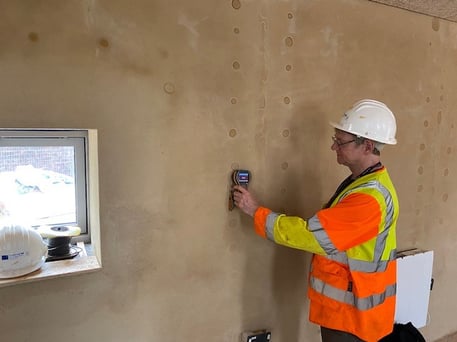
Professional moisture detection equipment is often necessary to identify these issues accurately.
Why DIY Mold Removal Usually Fails
In commercial settings, attempting to clean mold without identifying the source of moisture rarely solves the problem. Surface cleaning may remove visible staining but does not address hidden growth or airborne spores.
DIY or incomplete cleanup often fails because:
- Moisture sources remain untreated
- Mold inside wall cavities or ducts is not removed
- Spores spread during improper cleaning
- Air quality problems persist
Proper remediation requires containment, filtration, and correction of the underlying moisture issue.
Professional Mold Inspection & Testing Explained
Professional mold inspection and testing provide a detailed understanding of conditions inside a commercial building. Testing helps determine whether mold is present and what areas require attention.
A typical inspection may include:
- Visual examination of high-risk areas
- Moisture mapping of walls, ceilings, and flooring
- Inspection of HVAC systems and ductwork
- Air or surface sampling when needed
Pompano Mold Inspection and Testing frequently performs inspections in Fort Lauderdale and surrounding areas, helping property owners identify mold risks before they affect building operations.
Proper Mold Removal & Remediation Process
If mold is confirmed, remediation focuses on removing contamination safely and preventing recurrence.
The process typically includes:
- Containing affected areas to prevent spore spread
- Using HEPA filtration to clean the air
- Removing contaminated materials when necessary
- Cleaning and treating structural surfaces
- Drying and correcting moisture sources
This structured approach helps ensure that mold does not return.
Flood Restoration & Water Damage Repair
Commercial mold problems often follow water damage from roof leaks, plumbing failures, or storms. Flood restoration and structural drying may be necessary before remediation can be completed.
Restoration steps may include:
- Water extraction
- Dehumidification and drying
- Cleaning and sanitizing affected areas
- Repairing or replacing damaged materials
Prompt restoration helps reduce downtime and prevent further damage.
Air Ducts, AC Systems & Mold in Commercial Buildings
Large HVAC systems play a significant role in commercial environments. When moisture accumulates inside ducts or air handlers, mold can spread through ventilation systems and affect multiple areas of a building.
Common HVAC-related concerns include:
- Condensation forming in ductwork
- Dirty or clogged evaporator coils
- Air leaks pulling humid air inside
- Poor airflow causing damp areas
Air duct cleaning and HVAC maintenance are often recommended after moisture or mold problems are discovered.
How to Prevent Mold in Pompano Beach and Fort Lauderdale Commercial Properties
Preventing mold requires consistent maintenance and monitoring of building systems.
Property owners and managers can reduce risk by:
- Inspecting roofs and drainage systems regularly
- Maintaining HVAC systems and drain lines
- Monitoring indoor humidity levels
- Repairing leaks promptly
- Scheduling periodic moisture inspections
- Ensuring proper ventilation in storage and utility areas
Preventive maintenance is especially important before and during Florida’s rainy season.
Why Local Experience Matters
Mold testing and remediation in South Florida require knowledge of local climate conditions and building practices. Commercial buildings in Fort Lauderdale and nearby areas often experience moisture patterns influenced by coastal humidity and seasonal storms.
Professionals familiar with Pompano Beach, Margate, Coconut Creek, and Lauderdale-by-the-Sea understand:
- How humidity affects drying times
- Where moisture commonly accumulates in commercial structures
- Typical roofing and HVAC systems used locally
- Seasonal weather patterns that increase mold risk
Pompano Mold Inspection and Testing applies this local experience to help property owners identify problems early and implement effective solutions.
A Calm, Trust-Based Next Step
Mold problems in commercial buildings rarely improve on their own, but early detection makes them far easier to manage. Paying attention to warning signs, scheduling inspections when moisture is suspected, and addressing problems quickly can prevent larger structural issues and protect indoor air quality.
For commercial property owners in Fort Lauderdale, understanding the early signs of mold and the role of professional testing provides confidence and clarity. Taking timely action helps keep buildings safe, functional, and comfortable for occupants throughout Florida’s humid seasons.