Fort Lauderdale Water Leak Detection in Coastal Homes: Inspection and Repair Guide
Water leaks are a common concern for homeowners in Fort Lauderdale, especially in coastal neighborhoods where humidity, salt air, and heavy seasonal rain all affect building materials. Even a small leak can lead to significant problems if moisture spreads into walls, flooring, or air systems. In many cases, leaks remain hidden for weeks before visible damage appears.
Water leak detection plays a critical role in protecting homes, preventing mold growth, and reducing costly repairs. Understanding how inspections work and how repairs are handled helps property owners respond early and maintain a safe, dry living environment.
What Water Leak Detection Really Is
Water leak detection is the process of identifying hidden water intrusion before it causes major structural or mold problems. In coastal homes, leaks may occur in roofs, plumbing systems, windows, or HVAC components.
A proper inspection focuses on:
- Locating hidden moisture
- Identifying the source of water intrusion
- Measuring moisture levels in materials
- Determining whether repairs or drying are needed
Because moisture spreads through porous materials, the visible signs of a leak often appear far from the source.
Why This Happens So Often in Pompano Beach and Fort Lauderdale Coastal Areas
Homes in Fort Lauderdale and nearby communities such as Pompano Beach, Lighthouse Point, Deerfield Beach, and Lauderdale-by-the-Sea face conditions that increase leak risks.
Several local factors contribute:
- High humidity year-round
- Wind-driven rain during storms
- Salt air affecting seals and roofing materials
- AC condensation in hot weather
- Older windows or flashing in coastal homes
In South Florida, moisture also evaporates more slowly, allowing damp conditions to persist longer than homeowners expect.
Common Signs Homeowners Notice
Water leaks often begin quietly. Many homeowners first notice subtle changes rather than obvious dripping or standing water.
Common warning signs include:
- Musty or damp odors
- Water stains on ceilings or walls
- Peeling or bubbling paint
- Warped baseboards or flooring
- Damp spots near windows or vents
- Unexpected humidity indoors
These symptoms often indicate moisture trapped inside building materials rather than visible water.
Hidden or Overlooked Sources
During inspections in Fort Lauderdale coastal homes, leaks are frequently found in places homeowners rarely check.
Common hidden sources include:
- Roof flashing and attic penetrations
- Window frames exposed to wind-driven rain
- Plumbing lines behind walls
- Beneath laminate or tile flooring
- Around AC air handlers or drain lines
- Inside ductwork located in attics
Because these areas are concealed, moisture can remain undetected for extended periods.
Why DIY Mold Removal Usually Fails
When moisture leads to mold, some homeowners attempt to clean affected areas using household products. While surface cleaning may remove visible staining, it rarely solves the underlying issue.
DIY efforts often fail because:
- Moisture sources remain untreated
- Mold roots remain inside porous materials
- Hidden mold continues spreading behind surfaces
- Humidity levels remain elevated
Without locating and correcting the source of moisture, mold typically returns.
Professional Mold Inspection & Testing Explained
Professional inspections are designed to identify both moisture and contamination. Even when mold is not visible, inspection can reveal conditions that allow growth to occur.
A thorough inspection typically includes:
- Moisture meter readings in drywall and flooring
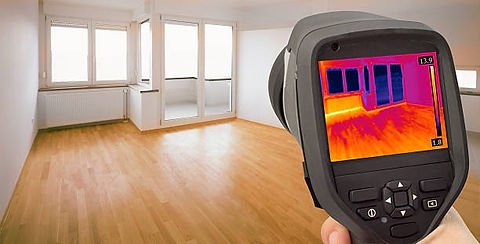
- Thermal imaging to detect hidden water intrusion
- Humidity measurements throughout the home
- Inspection of attic spaces and HVAC systems
- Air or surface testing when necessary
These steps provide a clear understanding of the problem and guide the repair process. Companies such as Pompano Mold Inspection and Testing often perform these inspections to ensure moisture issues are identified early and accurately.
Proper Mold Removal & Remediation Process
If mold has developed due to a leak, remediation focuses on removing contamination and preventing recurrence.
A proper remediation process usually includes:
- Containment of affected areas
- Removal of contaminated materials when necessary
- Cleaning and treatment of structural surfaces
- Drying and dehumidification
- Verification of safe moisture levels
Correcting the moisture source is the most important step in preventing mold from returning.
Flood Restoration & Water Damage Repair
Some leaks go unnoticed until significant water damage occurs. In those cases, restoration may be required to return the home to a safe condition.
Water damage repair typically involves:
Water Extraction
Standing water is removed using specialized equipment to prevent further absorption.
Structural Drying
Air movers and dehumidifiers are placed strategically to dry walls, flooring, and framing.
Removal of Damaged Materials
Saturated drywall, insulation, or flooring may need to be removed if drying is not possible.
Cleaning and Restoration
Affected areas are cleaned and restored to ensure a healthy indoor environment.
Proper drying ensures moisture does not remain trapped inside structural materials.
Air Ducts, AC Systems & Mold
Air-conditioning systems play a major role in indoor air quality in coastal homes. Because AC systems run frequently in Fort Lauderdale, condensation problems are common.
Moisture issues may develop when:
- Drain lines become clogged
- Duct insulation becomes damp
- Airflow is restricted
- High humidity persists indoors
If moisture accumulates in ductwork, mold can spread throughout the home. Inspecting HVAC components is an important part of leak detection and prevention.
How to Prevent Mold in Pompano Beach and Fort Lauderdale Homes
Preventing mold begins with controlling moisture and identifying leaks early.
Helpful prevention steps include:
- Inspecting roofs and flashing after storms
- Sealing windows and exterior openings
- Cleaning AC drain lines regularly
- Keeping indoor humidity below 60 percent
- Monitoring attic insulation for dampness
- Scheduling periodic moisture inspections
A small indoor humidity monitor can provide early warning of potential problems.
Why Local Experience Matters
Water leak detection in coastal South Florida requires an understanding of local climate conditions, construction styles, and seasonal weather patterns.
Professionals who regularly work in Fort Lauderdale, Pompano Beach, Margate, and Lighthouse Point understand:
- How salt air affects roofing and seals
- Where leaks commonly develop in coastal homes
- Seasonal storm patterns
- Effective drying strategies in humid environments
This local knowledge helps ensure inspections are thorough and repairs are effective.
A Calm, Trust-Based Approach for Property Owners
Water leaks are common in coastal homes, but most problems can be resolved effectively when detected early. Paying attention to small warning signs, identifying moisture sources, and conducting proper inspections help prevent mold and structural damage.
If musty odors, stains, or signs of moisture appear, scheduling an inspection can help locate hidden leaks and provide clear solutions. Pompano Mold Inspection and Testing is familiar with the types of moisture issues commonly found in Fort Lauderdale coastal homes, and early evaluation often prevents more extensive repairs.
Maintaining good ventilation, controlling humidity, and responding quickly to leaks are the most effective ways to protect homes in South Florida’s coastal environment.