Home Moisture Control Services in Fort Lauderdale from AC Condensation: Costs, Causes, and Solutions
Air conditioning systems are essential in Fort Lauderdale, where warm temperatures and high humidity persist for much of the year. While AC systems are designed to remove moisture from indoor air, condensation problems can sometimes lead to excess moisture inside walls, ceilings, ducts, and flooring. If this moisture is not controlled, it can result in mold growth, structural damage, and reduced indoor comfort.
Home moisture control services are designed to detect, remove, and prevent moisture buildup caused by AC condensation. Understanding the causes, costs, and solutions helps homeowners and property managers respond effectively and protect their properties.
What AC Condensation Is
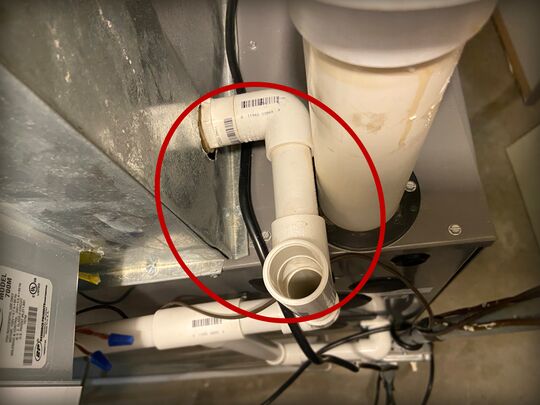
Air conditioners cool indoor air by passing warm air over cold evaporator coils. As the air cools, moisture condenses into water droplets. This water normally drains through a condensate line and exits the system safely.
Moisture problems begin when:
- Condensate drain lines become clogged
- Drain pans overflow or deteriorate
- Airflow is restricted
- Ductwork develops condensation
- HVAC systems are not maintained regularly
When these issues occur, moisture can spread into building materials and create conditions suitable for mold growth.
Why AC Condensation Problems Are Common in Fort Lauderdale
Homes in Fort Lauderdale and nearby areas such as Lauderdale-by-the-Sea, Pompano Beach, and Lighthouse Point face environmental conditions that increase condensation risks.
These conditions include:
- High humidity levels year-round
- Long AC operating cycles
- Warm attic temperatures
- Coastal air that holds moisture
- Frequent storms and humid weather
Because humidity remains high for much of the year, even small condensation problems can lead to persistent moisture buildup.
Common Causes of Moisture Problems from AC Systems
Several factors contribute to moisture issues related to air conditioning.
Clogged Condensate Drain Lines
One of the most common causes of AC moisture problems is a blocked drain line. When water cannot drain properly, it can overflow into surrounding areas.
Dirty Air Filters or Restricted Airflow
Poor airflow causes evaporator coils to become excessively cold, which increases condensation and may lead to freezing and thawing cycles.
Aging HVAC Systems
Older units may have worn components or inefficient drainage systems, increasing the likelihood of moisture leaks.
Ductwork Condensation
Ducts located in hot attics can develop condensation if insulation deteriorates or humidity levels are high.
Improper Installation
Incorrectly installed drain pans, duct connections, or insulation can allow moisture to accumulate over time.
Signs That Moisture Control May Be Needed
Moisture problems caused by AC condensation often develop gradually. Property owners may notice:
- Musty odors when the AC runs
- Water stains near vents or ceilings
- Damp insulation in attic spaces
- Increased indoor humidity
- Peeling paint or warped drywall
These warning signs indicate that moisture may be present behind surfaces or in HVAC components.
Hidden Areas Where Moisture Often Accumulates
Moisture from AC condensation frequently develops in areas that are not easy to inspect.
Common hidden locations include:
- Inside ductwork
- Around air handler units
- Behind drywall near HVAC systems
- Attic insulation and framing
- Condensate drain lines and pans
Because these areas are enclosed, moisture may remain trapped long enough for mold to begin developing.
What Home Moisture Control Services Include
Moisture control services focus on identifying and eliminating excess moisture while preventing future problems.
Professional services may include:
- Moisture detection using specialized equipment
- Cleaning and repairing condensate drain lines
- Structural drying with air movers and dehumidifiers
- Duct inspection and drying
- Humidity monitoring and control
Companies such as Pompano Mold Inspection and Testing often assist homeowners in Fort Lauderdale by locating hidden moisture and recommending effective solutions.
Typical Costs of Moisture Control Services
The cost of moisture control services can vary depending on several factors:
- Size of the affected area
- Extent of moisture damage
- Accessibility of HVAC systems or ducts
- Drying time required
- Whether mold remediation is needed
Minor moisture control and drying are generally less expensive than repairs involving mold removal or structural restoration. Addressing condensation problems early often reduces overall costs.
Step-by-Step Moisture Control Process
Professional moisture control services usually follow a structured process.
Step 1: Inspection and Moisture Mapping
Technicians evaluate the home, identify affected areas, and locate moisture sources.
Step 2: Drain Line and HVAC Evaluation
Condensate lines, drain pans, and airflow components are inspected and cleaned if necessary.
Step 3: Structural Drying
Air movers and dehumidifiers are used to remove moisture from walls, ceilings, and flooring.
Step 4: Monitoring Humidity Levels
Indoor humidity is reduced and stabilized to prevent mold growth.
Step 5: Final Verification
Moisture readings confirm that materials are fully dry.
This process ensures moisture problems are resolved thoroughly.
Mold Risks from AC Condensation
One of the most serious risks of untreated moisture is mold growth. Mold can begin developing when damp materials remain in warm conditions.
Moisture control helps prevent:
- Mold remediation costs
- Structural damage
- Persistent odors
- Indoor air quality problems
Early drying significantly reduces these risks.
Water Damage Repair After Moisture Problems
If condensation has caused damage, restoration may include:
- Replacing drywall or insulation
- Repairing ceilings or baseboards
- Drying structural framing
- Cleaning and sealing affected surfaces
Addressing damage promptly helps prevent recurring issues.
Practical Prevention Methods That Work
Property owners in Fort Lauderdale can reduce the risk of AC moisture problems by taking preventative steps:
- Replace air filters regularly
- Clean condensate drain lines periodically
- Schedule annual HVAC maintenance
- Monitor indoor humidity levels
- Inspect attic ductwork for condensation
These simple steps help prevent moisture buildup and improve system efficiency.
Why Local Experience Matters
Moisture control in coastal South Florida requires understanding regional climate conditions and construction practices. Professionals familiar with Fort Lauderdale understand:
- How humidity affects HVAC systems
- Common attic duct layouts in Broward County homes
- Condensation behavior in coastal environments
- Proper drying techniques for humid climates
This experience helps ensure solutions are effective and long-lasting.
A Practical Next Step for Homeowners
AC condensation problems often begin quietly but can cause serious damage if ignored. Scheduling a moisture inspection when early signs appear helps protect structural materials, prevent mold growth, and maintain comfortable indoor conditions.
Homeowners and property managers in Fort Lauderdale often rely on experienced local providers such as Pompano Mold Inspection and Testing to locate hidden moisture, perform structural drying, and restore safe indoor environments. Acting early helps prevent costly repairs and keeps homes well-maintained year-round.