Home Moisture Control Solutions for Homes in Fort Lauderdale: Professional Insights
Moisture control is one of the most important aspects of maintaining a healthy and durable home in Fort Lauderdale. With high humidity, frequent rain, and long cooling seasons, moisture can accumulate in areas that homeowners rarely see. When humidity and water intrusion are not properly managed, they can affect building materials, indoor air quality, and overall comfort.
Understanding how moisture develops and what professional solutions are available helps homeowners, landlords, and property managers prevent long-term damage and maintain stable indoor conditions.
What Home Moisture Problems Really Are
Moisture problems occur when water or humidity accumulates faster than it can evaporate. This may result from storms, plumbing leaks, air-conditioning condensation, or poor ventilation. Even daily activities such as cooking and showering can increase indoor humidity if ventilation is limited.
In Fort Lauderdale homes, excess moisture often affects:
- Attics and insulation
- Walls and ceilings
- Flooring and subfloors
- Air handler closets
- Ductwork and vents
- Cabinets and enclosed storage areas
If moisture remains trapped, materials such as drywall, wood, and insulation can gradually deteriorate.
Why Moisture Problems Are Common in Fort Lauderdale
Fort Lauderdale and nearby communities such as Pompano Beach, Lighthouse Point, Deerfield Beach, Margate, Coconut Creek, North Lauderdale, and Lauderdale-by-the-Sea experience environmental conditions that increase moisture risks.
Several factors contribute to moisture buildup:
- High humidity throughout most of the year
- Heavy seasonal rain and storms
- Air conditioning condensation
- Warm attic temperatures
- Limited ventilation in enclosed spaces
Because humid air slows drying, even minor leaks or condensation can lead to long-lasting moisture problems.
Early Signs of Moisture Problems
Moisture issues often begin with subtle warning signs. Recognizing these early helps prevent serious damage.
Common indicators include:
- Musty or damp odors
- Peeling paint or bubbling drywall
- Water stains on ceilings or walls
- Warped baseboards or trim
- Increased indoor humidity
- Damp or cool flooring
These signs often suggest hidden moisture behind surfaces or inside structural materials.
Hidden Sources of Moisture in Homes
Many moisture problems develop in areas homeowners rarely inspect. Professional evaluations frequently uncover moisture in:
- Wall cavities near plumbing lines
- Beneath carpet padding
- Attic insulation near rooflines
- Around windows and door frames
- Inside air handler closets
- Around ductwork in attic spaces
Because these areas are enclosed, moisture may remain unnoticed for extended periods.
Professional Moisture Detection Solutions
Professional moisture detection is one of the most effective ways to identify hidden problems. The process typically includes:
Visual Inspection
Inspectors examine ceilings, walls, flooring, and HVAC components for signs of moisture or material changes.
Moisture Measurement
Moisture meters are used to measure dampness in drywall, wood, and flooring.
Thermal Imaging
Thermal imaging cameras help locate hidden moisture patterns behind walls or ceilings.
Humidity Evaluation
Indoor humidity levels are measured to determine whether environmental conditions are contributing to moisture buildup.
Pompano Mold Inspection and Testing assists homeowners in Fort Lauderdale by locating hidden moisture and recommending practical steps for drying and prevention.
Drying and Dehumidification Solutions
Once moisture is detected, proper drying methods are essential to restore safe indoor conditions.
Air Movement
Air movers increase airflow and help moisture evaporate from surfaces and structural materials.
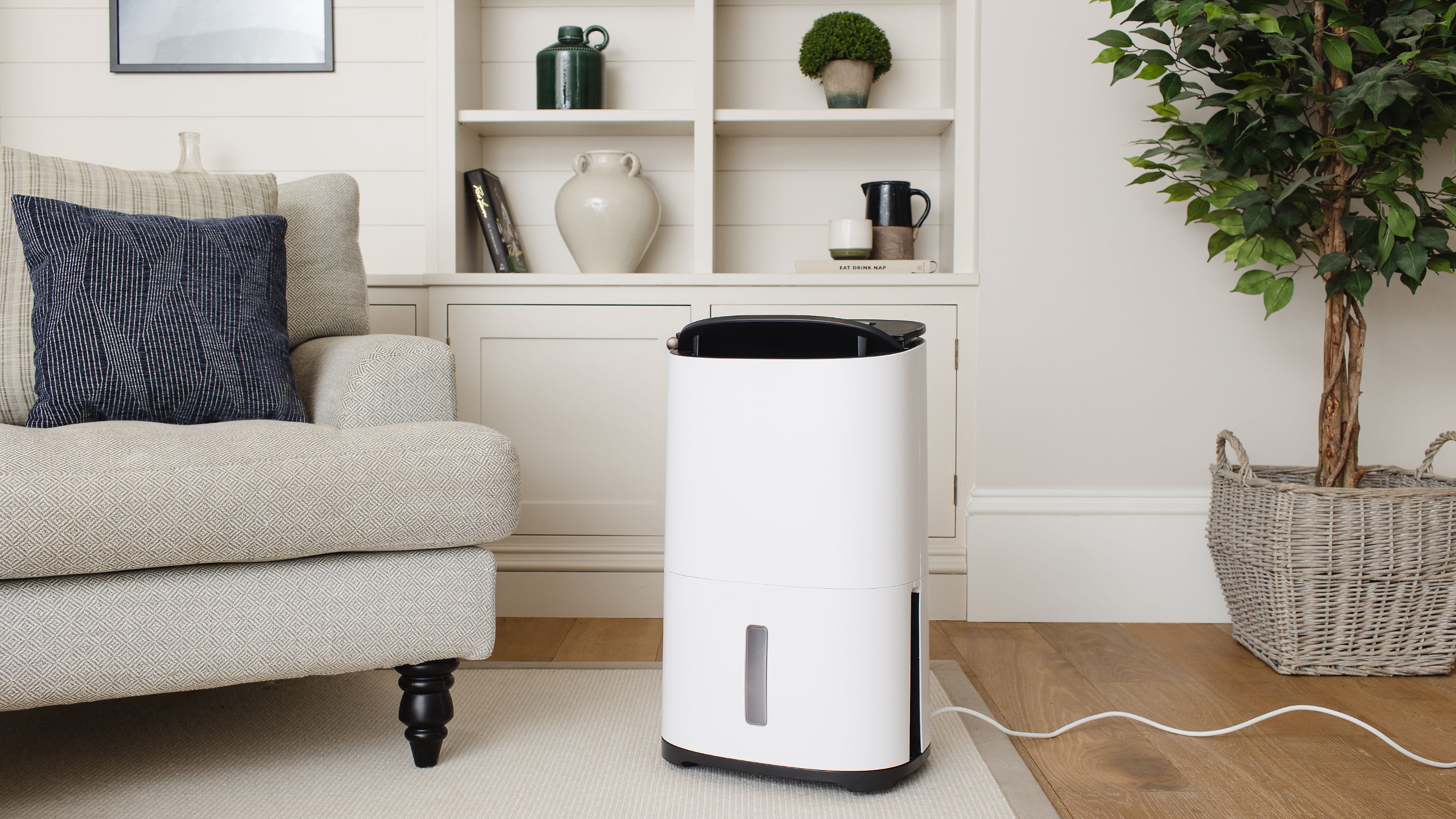
Dehumidification
Dehumidifiers remove excess moisture from indoor air, speeding the drying process and reducing humidity levels.
Moisture Monitoring
Regular monitoring ensures materials reach safe moisture levels before repairs are completed.
Repairing the Source of Moisture
Long-term moisture control depends on addressing the source of the problem.
Common repairs may include:
- Fixing roof leaks
- Repairing plumbing leaks
- Sealing gaps around windows and doors
- Improving drainage around foundations
- Clearing AC condensate drain lines
Correcting the source prevents recurring moisture problems.
Air Ducts, HVAC Systems, and Moisture Control
HVAC systems play a major role in indoor humidity control. Moisture in ducts or air handlers can affect airflow and indoor air quality.
Maintenance steps may include:
- Inspecting ducts for moisture
- Cleaning ducts when debris accumulates
- Checking condensate drain lines
- Ensuring proper airflow and ventilation
Maintaining HVAC systems helps reduce humidity buildup and improve indoor comfort.
Risks of Ignoring Moisture Problems
When moisture is not properly controlled, several long-term issues may develop:
- Mold growth in walls or flooring
- Structural deterioration of drywall and wood
- Persistent odors
- Reduced indoor air quality
- Increased repair costs over time
Early detection and drying significantly reduce these risks.
Proper Mold Removal and Remediation When Necessary
If moisture has already allowed mold growth to develop, remediation may be required. Proper remediation focuses on:
- Identifying and correcting moisture sources
- Removing affected materials when necessary
- Cleaning structural surfaces
- Using air filtration equipment
- Confirming dryness before repairs
Addressing moisture sources ensures the problem does not return.
Prevention Tips That Help Maintain Dry Homes
Homeowners in Fort Lauderdale can reduce moisture risks by taking practical steps:
- Inspect roofs and gutters regularly
- Repair plumbing leaks promptly
- Keep drainage systems clear
- Use exhaust fans in bathrooms and kitchens
- Replace HVAC filters regularly
- Monitor indoor humidity levels
- Schedule periodic moisture inspections
Routine maintenance helps prevent small issues from becoming serious problems.
Why Local Experience Matters
Homes in Fort Lauderdale face environmental conditions that differ from many other regions. Coastal humidity, heavy rain, and long cooling seasons all influence how moisture behaves inside buildings. Professionals familiar with Broward County homes understand common moisture pathways and can identify problems more efficiently.
Local experience helps ensure moisture control strategies are effective for the climate and construction styles in the area.
Calm, Trust-Based Call to Action
If your Fort Lauderdale home has musty odors, unexplained humidity, or signs of water damage, moisture control solutions can help prevent long-term structural problems and maintain comfortable indoor conditions. Early inspection and drying help protect both the home and indoor air quality.
Pompano Mold Inspection and Testing works with homeowners and property managers throughout Fort Lauderdale and nearby communities to locate moisture sources, evaluate water damage, and recommend practical solutions to maintain dry, healthy indoor environments.