

How AC Moisture Repair Helps Homes in North Lauderdale from AC Condensation
Air conditioning is essential for comfort in North Lauderdale, but it is also one of the most common sources of hidden moisture problems inside homes. AC condensation issues develop quietly, often without obvious leaks or flooding, yet they can cause significant damage over time. Many homeowners are surprised to learn that mold growth, musty odors, and repeated humidity problems often trace back to condensation produced by everyday AC operation.
In North Lauderdale and nearby communities such as Margate, Pompano Beach, Coconut Creek, and Lauderdale-by-the-Sea, AC systems run for much of the year. That constant use creates ongoing moisture, and when systems are not draining or insulated properly, condensation can escape into walls, ceilings, flooring, and HVAC components. AC moisture repair focuses on correcting these problems at the source, preventing damage, and restoring healthy indoor conditions.
What AC Condensation Really Is
Air conditioners cool homes by removing heat and humidity from indoor air. As warm air passes over the cold evaporator coil, moisture condenses into water. This water is meant to drain safely through a condensate line and away from the home.
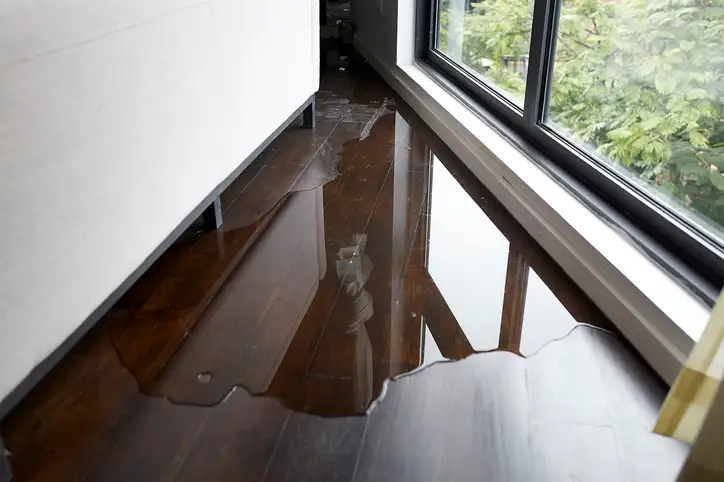
Problems begin when that drainage system fails. Clogged condensate lines, cracked drain pans, improper slope, or damaged insulation allow water to escape. Instead of draining outside, moisture leaks into air handler closets, ceilings, walls, or floors.
Because this process happens slowly and repeatedly, AC condensation often causes more damage than sudden leaks. In North Lauderdale’s humid climate, even small condensation issues can create ongoing moisture exposure.
Why AC Condensation Problems Are Common in North Lauderdale
North Lauderdale experiences long periods of high humidity, forcing AC systems to run frequently. This constant operation produces large amounts of condensation, increasing stress on drain systems and components.
Many homes have older HVAC installations or systems that have been modified over time. Improperly installed drain lines, aging insulation, or poorly sealed air handlers are common. Even newer homes can develop issues if routine maintenance is skipped.
Slab foundations and tight construction styles common in South Florida trap moisture indoors, making condensation problems more noticeable and damaging when they occur.
Early Signs of AC Condensation Moisture Issues
AC condensation damage often appears subtly. Homeowners may notice water stains on ceilings near air handler closets or vents. Musty odors that worsen when the AC runs are another common sign.
Other warning signs include peeling paint, bubbling drywall, or damp spots around HVAC components. Some homes experience persistent humidity despite the AC running regularly. In carpeted areas, padding may feel damp or develop odors.
These signs indicate moisture problems that require AC moisture repair, not cosmetic fixes.
Hidden Damage Caused by AC Moisture
Much of the damage caused by AC condensation remains hidden. Water can soak insulation behind walls or above ceilings without visible staining. Wood framing can absorb moisture and weaken over time.
Ceiling drywall near air handlers often becomes soft or saggy. Baseboards and flooring near condensation leaks may warp or swell. If moisture reaches ductwork, it can spread humidity and contaminants throughout the home.
Because this damage is gradual, homeowners may not realize how extensive it has become until professional inspection is performed.
Why DIY Fixes Rarely Solve Condensation Problems
Homeowners often try to manage AC moisture by wiping up visible water or clearing drain lines temporarily. While these steps may help briefly, they rarely solve the underlying issue.
Condensation problems are usually tied to improper drainage design, damaged insulation, airflow imbalances, or hidden leaks. Without identifying and correcting the root cause, moisture continues to escape.
DIY fixes also fail to address moisture already trapped inside materials. In North Lauderdale’s climate, this trapped moisture can persist and lead to mold growth and structural deterioration.
Professional AC Moisture Inspection and Diagnosis
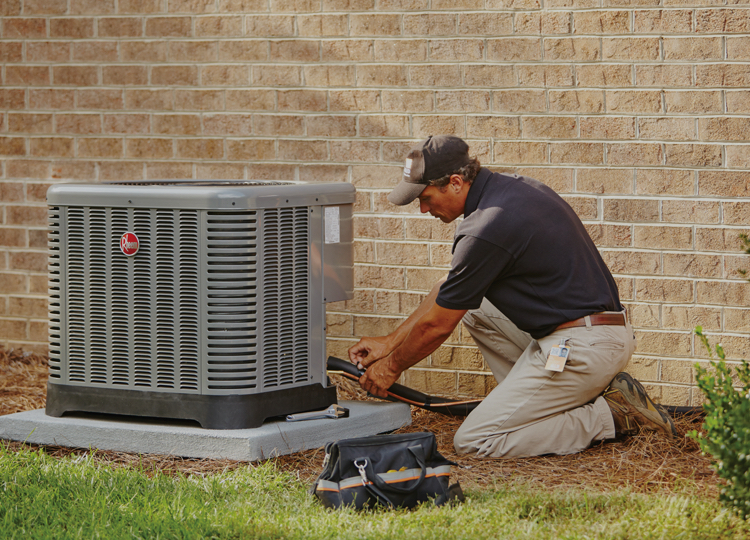
Effective AC moisture repair begins with proper inspection. Professionals evaluate the entire HVAC system, including air handlers, evaporator coils, drip pans, and condensate lines.
Moisture detection tools are used to locate damp areas behind walls, ceilings, and floors. Inspectors also assess insulation condition and airflow patterns that may contribute to condensation.
This diagnostic step ensures repairs are targeted and effective rather than guesswork.
How AC Moisture Repair Works
AC moisture repair focuses on correcting both the source of condensation and the damage it caused. Drain lines may be cleared, repaired, or reconfigured to ensure proper flow. Cracked or rusted drip pans are replaced.
Insulation around ducts and air handlers is repaired or upgraded to prevent sweating. Airflow issues may be corrected to reduce excessive condensation on coils.
Once the moisture source is controlled, affected areas are dried using professional equipment. Damaged drywall, insulation, or flooring may be repaired or replaced as needed.
The Role of Water Removal and Drying
Moisture from AC condensation often requires professional water removal and drying. Even small leaks can saturate materials over time.
Drying equipment removes moisture from walls, ceilings, and floors while dehumidifiers stabilize indoor humidity. Moisture levels are monitored to ensure drying is complete.
This step is essential for preventing ongoing damage and future mold growth.
Mold Risks Associated with AC Condensation
Mold growth is a common secondary issue linked to AC moisture problems. Mold can begin developing within 24 to 48 hours when moisture remains.
Air handler closets, duct insulation, ceiling cavities, and wall interiors provide ideal conditions for mold. Because these areas are hidden, mold may go unnoticed until odors or air quality issues appear.
AC moisture repair significantly reduces mold risk by eliminating the moisture source. When mold is present, professional mold cleaning and remediation may be required.
How AC Moisture Affects Indoor Air Quality
Moisture inside HVAC systems directly impacts indoor air quality. Damp components can release musty odors and circulate contaminants through the home.
Wet duct insulation reduces airflow efficiency and contributes to uneven cooling. Persistent humidity makes homes feel uncomfortable even when temperatures are controlled.
By repairing AC moisture issues, homeowners often notice improved comfort, reduced odors, and more consistent cooling.
Preventing Future AC Condensation Problems
Prevention begins with routine AC maintenance. Keeping condensate lines clear, inspecting drip pans, and checking insulation condition reduce risk.
Regular filter changes support proper airflow and reduce coil icing. Monitoring indoor humidity and addressing rooms that feel persistently damp also helps.
After any AC leak or overflow, professional drying and inspection ensure moisture does not remain hidden.
Why Local Experience Matters
AC moisture repair in North Lauderdale requires understanding South Florida humidity, construction styles, and HVAC behavior. Local professionals recognize patterns specific to the area, such as slab moisture interaction and attic duct sweating.
Pompano Mold Inspection and Testing brings experience working throughout North Lauderdale, Margate, Pompano Beach, Coconut Creek, and surrounding Broward County communities. Local knowledge ensures repairs address real causes, not just visible symptoms.
A Practical Takeaway for Homeowners
AC condensation problems are common in North Lauderdale homes, but they do not have to become long-term damage. Early detection, proper inspection, and professional AC moisture repair protect both the home and indoor comfort.
For homeowners, understanding how AC moisture repair works leads to better decisions and fewer recurring issues. By addressing condensation at the source and drying affected areas properly, homes remain dry, comfortable, and resilient in South Florida’s demanding climate.
