
How AC Moisture Repair Helps Homes in North Lauderdale from Poor Ventilation
Air conditioning systems run almost year-round in North Lauderdale homes, especially during long hot and humid seasons. While AC units provide comfort, they also create a hidden challenge: moisture buildup. When ventilation inside a home is poor, that moisture has nowhere to go, and it can slowly lead to mold growth, indoor air quality issues, and damage to building materials.
Many homeowners only realize there is a problem once they notice musty odors, stains, or worsening allergy symptoms indoors. In reality, moisture and ventilation problems often begin quietly inside ducts, walls, ceilings, and AC systems long before visible damage appears.
Understanding how AC moisture repair works — and why it matters in Broward County homes — helps property owners prevent long-term issues and maintain healthier living spaces.
What AC Moisture and Ventilation Problems Actually Mean
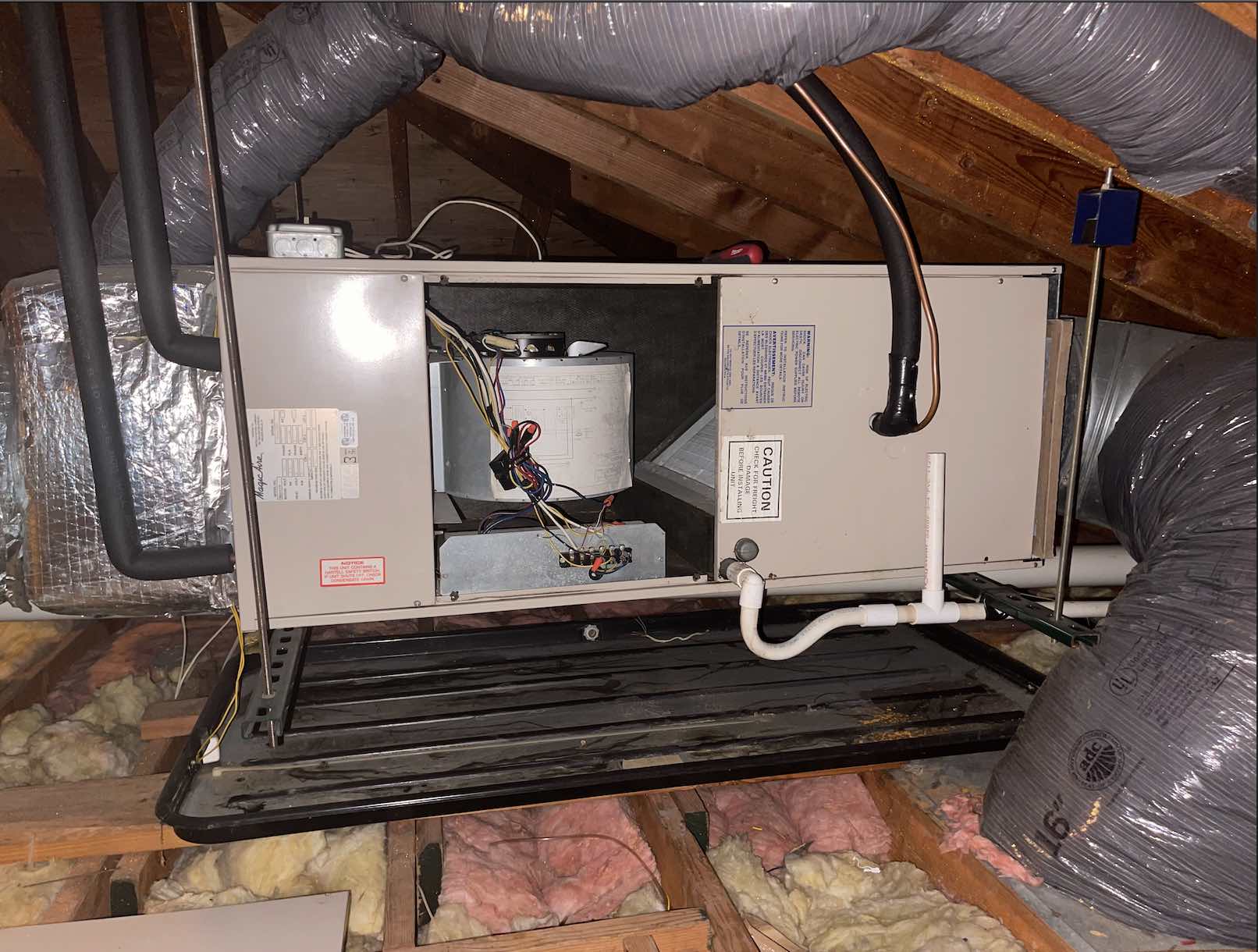
Every air conditioning system removes heat and humidity from indoor air. As warm air passes over cold AC coils, moisture condenses into water, which then drains away through a condensate line.
Problems begin when:
• Drain lines clog or overflow
• AC systems are oversized or poorly maintained
• Air ducts leak or sweat
• Ventilation is insufficient
• Airflow is blocked
• Indoor humidity remains high
Instead of draining properly, moisture accumulates inside walls, ceilings, ducts, or air handler closets. Combined with poor ventilation, damp air lingers indoors, creating the perfect environment for mold growth.
Why This Happens So Often in North Lauderdale Homes
North Lauderdale and nearby communities such as Coconut Creek, Margate, Deerfield Beach, and Fort Lauderdale face persistent humidity for most of the year. Even homes close to Lauderdale-by-the-Sea or Lighthouse Point experience constant moisture challenges due to coastal weather patterns.
Several local factors increase risk:
• High outdoor humidity levels
• Heavy seasonal rains and storm events
• Frequent AC system usage
• Older duct systems with leakage
• Homes built with minimal ventilation designs
• Attics and crawl spaces with poor airflow
When ventilation is weak, moisture produced indoors from cooking, showers, laundry, and AC operation remains trapped, feeding mold growth in hidden areas.
Common Signs Homeowners Notice
Moisture problems often appear gradually. Homeowners frequently report:
• Musty or damp odors near vents or rooms
• Mold spots on ceilings or walls
• Condensation on windows or ducts
• AC systems running constantly
• Indoor air feeling sticky or humid
• Allergy irritation indoors
• Peeling paint or bubbling drywall
Many assume these signs are normal Florida living conditions, but they often point to ventilation and moisture control issues that need repair.
Hidden or Overlooked Moisture Sources
In many North Lauderdale homes, mold grows in places people rarely inspect:
• Inside AC air handlers
• Behind drywall near vents
• Attic ductwork with condensation
• Return air cavities
• Under carpets after minor flooding
• Around clogged condensate drain lines
• Inside poorly ventilated closets
Even small, repeated moisture buildup can support mold colonies that spread quietly through airflow systems.
Why DIY Mold Removal Usually Fails
When homeowners spot mold, they often try cleaning it themselves. Unfortunately, surface cleaning rarely fixes the underlying moisture source.
Common DIY mistakes include:
• Cleaning visible mold but ignoring moisture causes
• Painting over stained areas
• Using bleach without correcting humidity problems
• Skipping ventilation improvements
Without fixing airflow and moisture conditions, mold usually returns within weeks or months.
Professional Mold Inspection and Testing Explained
A professional inspection focuses on identifying moisture sources first. Experienced technicians evaluate:
• AC systems and drainage performance
• Indoor humidity levels
• Duct leakage or sweating
• Attic and crawl space ventilation
• Moisture behind walls and flooring
• Areas affected by past leaks or flooding
Testing confirms mold presence and helps determine contamination levels. Companies like Pompano Mold Inspection and Testing approach inspections with a homeowner-first mindset, focusing on solving moisture problems rather than simply treating surface symptoms.
Proper Mold Removal and Remediation Process
Effective remediation includes several important steps:
- Identifying and correcting moisture sources
- Isolating affected areas to prevent spread
- Removing contaminated materials if necessary
- Cleaning and sanitizing affected surfaces
- Drying spaces completely
- Improving ventilation and airflow
Without these steps, mold removal becomes temporary instead of permanent.
Flood Restoration and Water Damage Repair
North Lauderdale properties sometimes experience flooding from heavy storms, plumbing failures, or appliance leaks. Even small water events can leave moisture trapped in walls and flooring.
Flood restoration services often involve:
• Water extraction
• Structural drying
• Moisture monitoring
• Carpet and material restoration
• Mold prevention treatments
Quick action prevents long-term mold development and structural damage.
Air Ducts, AC Systems, and Mold Growth
Air ducts play a major role in indoor moisture control. When ducts sweat or leak, they introduce moisture into ceilings and walls.
Dirty ducts can also circulate mold spores and dust throughout homes. Regular duct cleaning and AC maintenance improve airflow while reducing moisture buildup.
Many homes in Broward County see improvement simply by repairing duct leaks, insulating ducts properly, and correcting airflow issues.
How to Prevent Mold in North Lauderdale Homes
Homeowners can reduce mold risks with practical steps:
• Keep AC systems regularly maintained
• Clean and inspect condensate drain lines
• Use dehumidifiers if indoor humidity stays high
• Improve attic and crawl space ventilation
• Seal leaking ducts
• Fix plumbing leaks quickly
• Allow bathrooms and kitchens to vent moisture outdoors
Small improvements significantly reduce mold risk in humid climates.
Why Local Experience Matters
Moisture control solutions must match local climate realities. Homes in North Lauderdale and surrounding Broward County communities face unique challenges related to humidity, storms, and constant AC use.
Professionals familiar with regional construction styles, ventilation designs, and common moisture patterns can identify issues more accurately.
Pompano Mold Inspection and Testing understands how local homes respond to Florida’s environment and focuses on long-term solutions rather than temporary fixes.
A Calm Next Step for Homeowners
If your home feels humid, smells musty, or shows signs of mold or moisture problems, the smartest move is simply getting a professional inspection. Many issues are easier and less expensive to fix when caught early.
Improving ventilation and repairing AC moisture problems protects both your home and indoor comfort. With the right guidance, homeowners can create healthier living spaces without unnecessary stress or disruption.
Addressing moisture early helps ensure North Lauderdale homes stay comfortable, safe, and mold-free throughout Florida’s challenging climate.
