
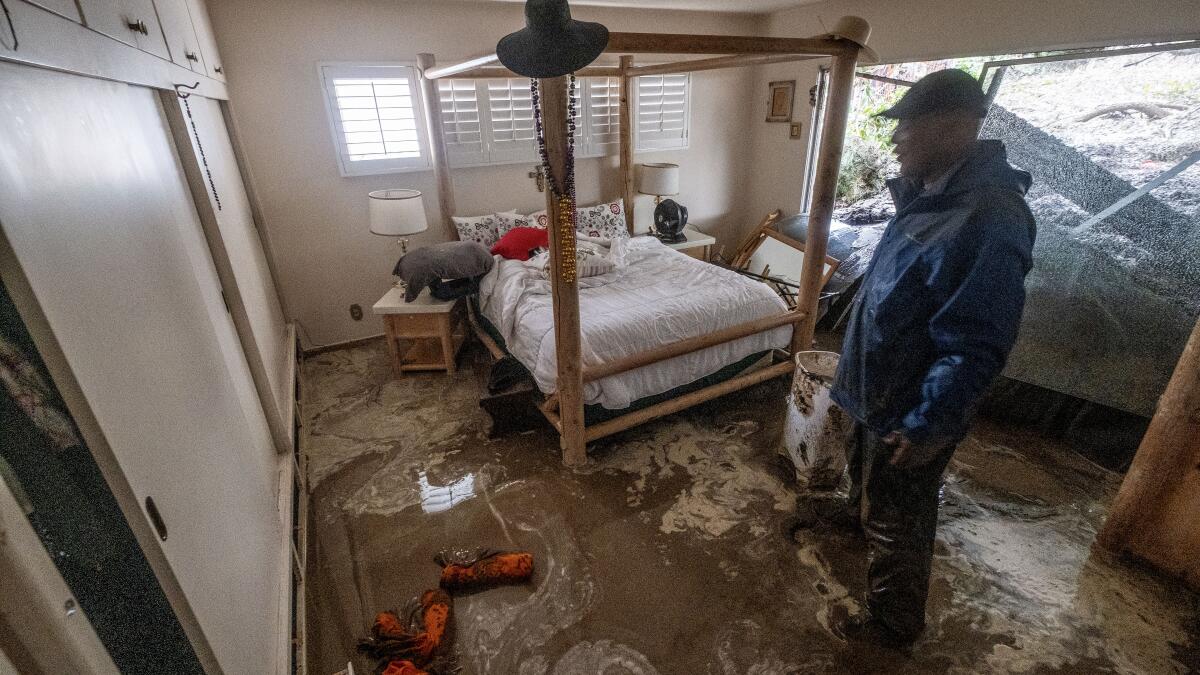
How Black Mold Removal Helps Homes in Lauderdale-by-the-Sea After Flooding
Flooding is one of the most damaging events a coastal homeowner can experience. In communities like Lauderdale-by-the-Sea, storm surge, heavy rainfall, and rising groundwater can quickly push water into homes. Once floodwaters recede, many property owners focus on visible cleanup—removing standing water, drying floors, and discarding damaged belongings. What often gets overlooked is the hidden threat left behind: black mold.
Black mold removal plays a critical role in restoring flooded homes, protecting occupant health, and preventing long-term structural damage. Flooding creates the perfect conditions for black mold to grow, spread, and become deeply embedded in building materials if not addressed correctly.
Why Flooding Creates Ideal Conditions for Black Mold
Floodwater doesn’t just soak surfaces—it saturates entire building systems. Walls, insulation, subfloors, and framing absorb moisture quickly, especially in Florida’s warm and humid climate.
Black mold thrives when three conditions are present:
- Moisture
- Organic materials (wood, drywall, dust)
- Warm temperatures
Flooding delivers all three at once. Even after visible water is removed, moisture often remains trapped inside walls and beneath flooring. In Lauderdale-by-the-Sea, where humidity stays high year-round, that moisture dries very slowly, giving black mold the opportunity to establish itself within days.
What Makes Black Mold Especially Dangerous After Flooding
Not all mold behaves the same way. Black mold is particularly concerning because of how aggressively it spreads and how deeply it penetrates materials after prolonged moisture exposure.
Rapid Growth in Hidden Areas
After flooding, black mold commonly develops in:
- Wall cavities
- Behind baseboards
- Under flooring and carpet padding
- Inside insulation
- In HVAC systems affected by moisture
Because these areas are out of sight, mold growth often goes unnoticed until odors, staining, or health symptoms appear.
Health Risks Linked to Black Mold
Black mold exposure may cause:
- Persistent coughing or wheezing
- Nasal congestion and throat irritation
- Headaches or fatigue
- Worsened asthma or respiratory conditions
- Allergic reactions in sensitive individuals
Children, elderly occupants, and people with compromised immune systems are especially vulnerable. After flooding, black mold removal is not just a property concern—it’s a health priority.
Why Drying Alone Is Not Enough After Flooding
Many homeowners assume that thorough drying solves the problem. While drying is essential, it does not eliminate mold once growth has started.
The Limits of Drying After Flood Damage
- Mold roots may already be embedded in materials
- Spores remain even after moisture levels drop
- Contaminated materials can continue releasing spores
- Odors persist even when surfaces appear dry
Without professional black mold removal, drying alone can leave behind active contamination that resurfaces later.
How Professional Black Mold Removal Helps Flooded Homes
Black mold removal is a structured process designed to eliminate mold safely and prevent cross-contamination. In flood-damaged homes, this process is especially important because contamination is often widespread.
Step 1: Detailed Inspection and Moisture Assessment
Professionals begin by identifying:
- Visible and hidden black mold growth
- Areas impacted by floodwater
- Moisture levels inside walls and floors
- The extent of material contamination
Advanced moisture detection tools help locate mold that cannot be seen.
Step 2: Containment to Prevent Spore Spread
Before removal begins, containment barriers are installed to isolate affected areas. This typically includes:
- Plastic sheeting to seal off rooms
- Negative air pressure systems
- HEPA-filtered air scrubbers
Containment prevents black mold spores from spreading to unaffected parts of the home during removal.
Step 3: Removal of Contaminated Materials
After flooding, many materials cannot be salvaged. Black mold removal may involve:
- Removing mold-infested drywall
- Disposing of contaminated insulation
- Lifting flooring and padding
- Treating or removing affected wood components
All contaminated debris is sealed and removed safely to prevent further exposure.
Step 4: Cleaning and Air Filtration
Once damaged materials are removed:
- Remaining surfaces are cleaned and treated
- HEPA vacuums capture residual spores
- Air scrubbers filter airborne contamination
This step significantly improves indoor air quality.
Step 5: Drying and Moisture Control
Even after mold removal, proper drying is essential.
- Industrial dehumidifiers reduce humidity
- Air movers dry structural components
- Moisture levels are monitored until safe thresholds are reached
Without moisture control, mold can return even after removal.
Structural Benefits of Black Mold Removal After Flooding
Floodwater weakens building materials, and black mold accelerates that damage. Professional removal helps preserve the home’s structural integrity.
How Mold Affects Structure
- Wood framing can soften and rot
- Subfloors may lose strength
- Drywall deteriorates and crumbles
- Insulation becomes ineffective
Removing black mold early limits how much material must be replaced and helps prevent progressive deterioration.
Preventing Recurring Mold Problems After Flooding
Black mold removal addresses existing contamination, but prevention is key to avoiding future issues—especially in flood-prone coastal areas.
Effective Prevention Strategies
- Ensure complete drying after any water intrusion
- Maintain indoor humidity below 55 percent
- Inspect flood-prone areas regularly
- Improve exterior drainage around the property
- Seal cracks and entry points
- Service HVAC systems after flooding
Homes that combine professional removal with ongoing moisture control are far less likely to experience repeat mold problems.
Why DIY Black Mold Cleanup Is Risky After Floods
Attempting to remove black mold without professional equipment can make the problem worse.
Common DIY Mistakes
- Disturbing mold without containment
- Spreading spores throughout the home
- Incomplete removal of contaminated materials
- Exposure without proper protective equipment
Flood-related mold is rarely limited to surface areas, making DIY cleanup ineffective and potentially dangerous.
Insurance and Property Value Considerations
Proper black mold removal also supports insurance claims and protects long-term property value.
Insurance Benefits
- Professional documentation supports claims
- Demonstrates timely and responsible action
- Reduces disputes over secondary damage
Resale and Investment Protection
Homes with unresolved mold issues often face:
- Reduced buyer interest
- Failed inspections
- Lower property value
Professional black mold removal restores confidence in the property’s safety and condition.
Why Black Mold Removal Is Essential in Lauderdale-by-the-Sea
Coastal flooding, high humidity, and warm temperatures make Lauderdale-by-the-Sea particularly vulnerable to mold problems after water damage. Black mold doesn’t just affect appearance—it threatens health, structure, and long-term livability.
Prompt, professional black mold removal helps homeowners regain control after flooding, ensuring that damage is addressed thoroughly rather than hidden beneath cosmetic repairs.
Final Thoughts
Flooding leaves more behind than visible damage. In homes affected by floodwater, black mold can develop quickly and quietly, spreading through walls, floors, and air systems. Black mold removal is a critical step in restoring safety, protecting health, and preventing long-term structural damage.
For homeowners in Lauderdale-by-the-Sea, addressing black mold after flooding isn’t optional—it’s an essential part of recovery and long-term protection.
