


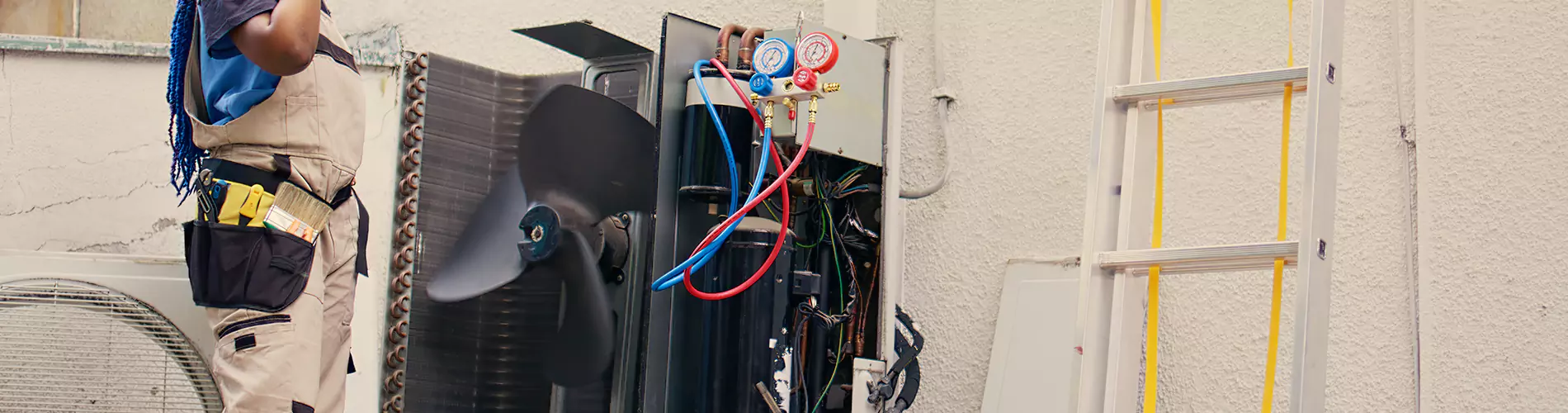
How Black Mold Removal Helps Homes in Pompano Beach from AC Condensation
Air conditioning is essential in Pompano Beach homes, but it also creates one of the most common hidden moisture problems in South Florida: AC condensation. When that moisture is not managed correctly, it can lead to black mold growth inside walls, ceilings, air handlers, and duct systems. Many homeowners are surprised to learn that their mold issue did not start with a roof leak or flooding, but with everyday AC operation.
In Pompano Beach and nearby areas like Lighthouse Point, Deerfield Beach, Margate, and Lauderdale-by-the-Sea, black mold linked to AC condensation is a recurring problem. Understanding how black mold removal works and why it matters helps homeowners protect their homes, prevent repeat growth, and maintain a healthier indoor environment.
What Black Mold from AC Condensation Really Is
Black mold related to AC systems typically develops when condensation consistently collects in the same areas. Air conditioners remove humidity from indoor air, and that moisture must drain away properly. When condensation lines clog, drip pans overflow, or insulation around ducts fails, water escapes into surrounding materials.
Over time, this moisture feeds mold growth on drywall, wood framing, insulation, and HVAC components. Because AC systems run daily in Pompano Beach, condensation issues create a steady moisture source that allows mold to spread gradually.
Black mold often remains hidden behind walls, above ceilings, or inside air handler closets, making it difficult to detect early without inspection.
Why AC Condensation Causes Mold So Often in Pompano Beach
Pompano Beach’s climate plays a major role. High humidity levels persist year-round, forcing AC systems to work continuously. This constant operation produces large amounts of condensation, especially during summer months.
Older homes may have outdated HVAC designs, poorly insulated ductwork, or aging drain lines. Even newer homes can experience issues if maintenance is inconsistent. Slab foundations, tight construction, and limited ventilation compound the problem by trapping moisture indoors.
In many cases, homeowners only notice the issue after mold has already developed.
Common Signs Mold Is Linked to AC Condensation
Mold caused by AC condensation often presents differently than mold from leaks or flooding. Homeowners may notice musty odors that become stronger when the AC runs. Stains may appear around vents, on ceilings near air handler closets, or along walls adjacent to ductwork.
Other signs include excessive indoor humidity, condensation forming on vents, or recurring moisture in the same area despite repairs. In some homes, residents notice dust buildup or airflow issues linked to contaminated ducts.
Because these signs can be subtle, mold growth often continues unchecked for long periods.
Hidden Areas Where Black Mold Commonly Grows
AC-related black mold frequently develops in areas homeowners rarely inspect. Inside air handlers, around drip pans, and along condensate lines are common locations. Duct insulation inside attics can become damp and moldy due to temperature differences and humidity.
Behind walls near HVAC closets, under ceiling drywall, and around return vents are also high-risk areas. Carpet padding and baseboards near AC leaks can absorb moisture and support mold growth even if surfaces appear dry.
These hidden growth areas are why professional inspection is often necessary.
Why DIY Mold Cleaning Does Not Solve AC Mold Problems
Many homeowners attempt to clean visible mold using household cleaners. While this may remove surface staining, it does not address mold embedded in porous materials or inside HVAC components.
More importantly, DIY cleaning does not fix the condensation problem. As long as moisture continues to escape from the AC system, mold will return. Cleaning vents or repainting stained areas only hides symptoms temporarily.
Improper cleaning can also spread spores into other parts of the home through the air system.
Professional Black Mold Inspection and Diagnosis
Effective black mold removal begins with inspection. Professionals assess the HVAC system, moisture patterns, and affected materials to determine whether AC condensation is the source.
Moisture detection tools help identify damp areas behind walls, under insulation, and inside ductwork. Inspectors evaluate drip pans, drain lines, air handlers, and insulation conditions.
This step ensures mold removal targets the real cause rather than treating visible growth alone.
How Black Mold Removal Works in AC-Related Cases
Black mold removal follows a controlled process designed to eliminate growth and prevent spread. Affected areas are isolated to contain spores during removal. Contaminated materials that cannot be cleaned safely are removed and replaced.
HVAC components may be cleaned or serviced as part of remediation. This includes clearing condensate lines, addressing insulation issues, and correcting drainage problems. Air filtration equipment captures airborne spores during the process.
Most importantly, moisture conditions are corrected so mold cannot return.
The Role of Water Damage Repair in Mold Prevention
AC condensation issues often fall under water damage repair. Removing mold without addressing trapped moisture leaves the home vulnerable to repeat growth.
Drying affected areas, replacing damaged insulation, and repairing drywall or baseboards are often necessary. Dehumidification may be used to stabilize indoor humidity levels.
In Pompano Beach homes, black mold removal is most effective when paired with proper water damage repair and HVAC maintenance.
How Mold in Ducts and AC Systems Affects the Home
When black mold develops inside ducts or air handlers, spores can circulate throughout the home. This leads to persistent odors, dust buildup, and uneven indoor comfort.
Wet or moldy duct insulation reduces system efficiency and increases humidity indoors. Professional duct inspection and cleaning may be required after mold removal to restore proper airflow and air quality.
Addressing ducts is often a key step in long-term mold prevention.
Preventing Black Mold from AC Condensation
Prevention starts with routine AC maintenance. Keeping condensate lines clear, drip pans clean, and insulation intact reduces moisture release. Regular filter changes support airflow and system efficiency.
Monitoring indoor humidity and addressing rooms that feel persistently damp also helps. After any AC leak or overflow, professional drying should be completed promptly.
In Pompano Beach’s climate, prevention requires consistency rather than one-time fixes.
Why Local Experience Matters
Black mold removal related to AC condensation requires understanding South Florida HVAC behavior, humidity patterns, and construction styles. Local professionals recognize how AC systems interact with moisture in coastal environments.
Pompano Mold Inspection and Testing brings experience working throughout Pompano Beach, Lighthouse Point, Deerfield Beach, Margate, and surrounding Broward County communities. Local knowledge helps ensure mold removal addresses both visible growth and underlying moisture causes.
A Practical Takeaway for Homeowners
Black mold linked to AC condensation is a common but manageable problem in Pompano Beach homes. Early detection, proper inspection, and professional removal prevent small issues from becoming recurring damage.
For homeowners, understanding how black mold removal works provides clarity and control. By addressing both mold and moisture at the source, homes remain comfortable, protected, and resilient in South Florida’s demanding climate.
