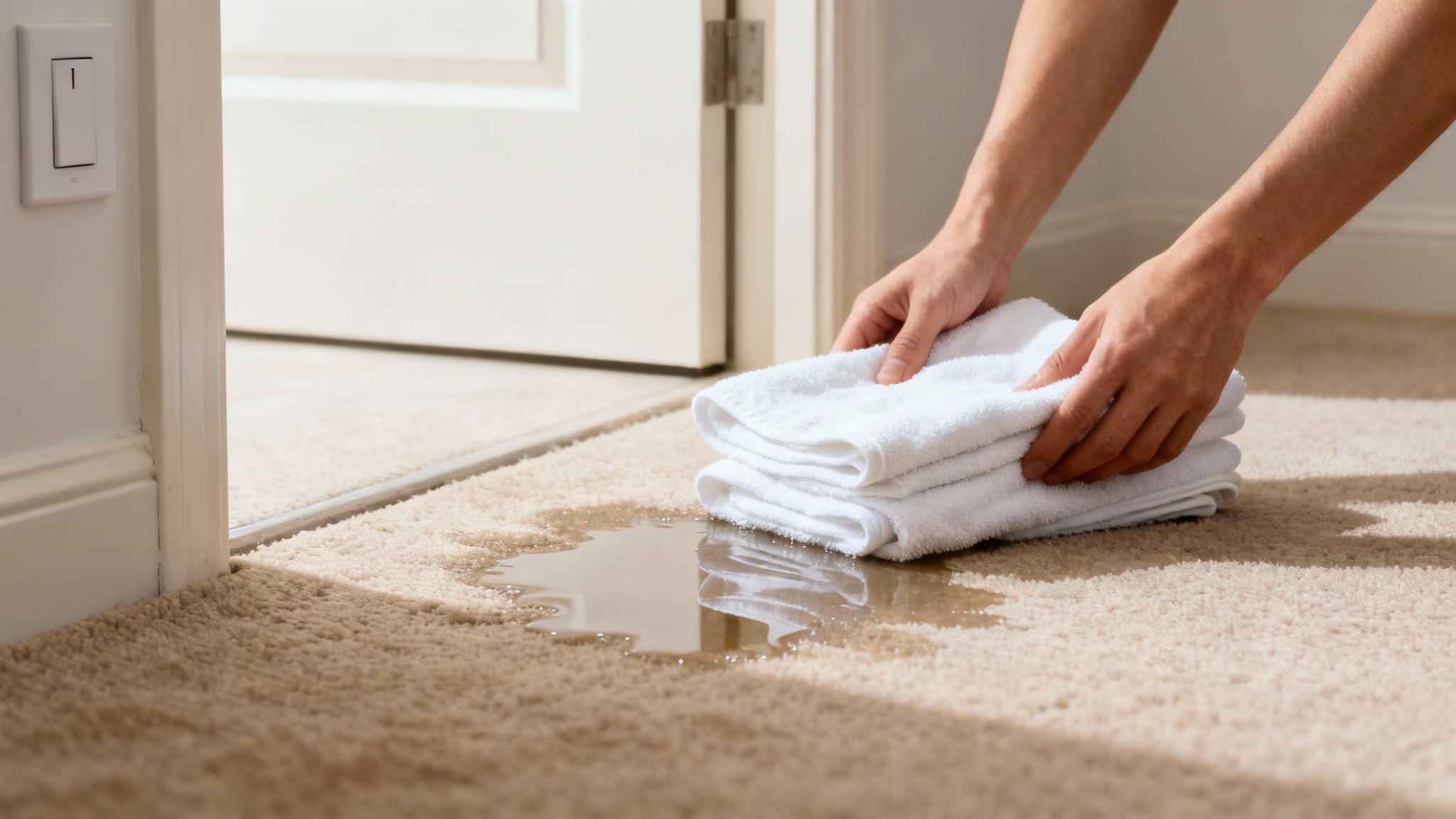
How Carpet Cleaning After Water Damage Helps Homes in Coconut Creek from AC Condensation
In Coconut Creek, air conditioning systems run almost year-round. They keep homes comfortable through long humid seasons, but they also produce condensation every day. When drainage systems clog, drip pans overflow, or humidity levels remain high, that condensation can end up soaking nearby flooring and carpets.
Carpet cleaning after water damage becomes especially important in these situations. Unlike sudden flooding, AC condensation damage often develops slowly and quietly, allowing moisture to linger beneath carpets for long periods. Understanding how proper cleaning and drying help protect homes can prevent long-term structural and indoor air quality problems.
What AC Condensation Water Damage Really Is
Air conditioners remove humidity from the air as part of normal operation. The moisture collects on evaporator coils and drains through a condensate line. When everything works correctly, the water exits the home safely.
Problems begin when:
- Drain lines clog
- Drain pans crack or overflow
- Airflow problems cause excess condensation
- High humidity increases moisture production
When water accumulates around vents, air handlers, or nearby rooms, carpets can slowly absorb moisture without homeowners realizing it.
Why This Happens So Often in Coconut Creek
Coconut Creek’s climate makes condensation-related water damage more common than many homeowners expect.
Several local conditions contribute:
High humidity year-round increases the amount of moisture AC systems must remove.
Frequent temperature differences between indoor and outdoor air increase condensation.
Extended AC usage means drainage systems operate constantly.
Poor ventilation can keep humidity trapped inside rooms.
Storm season humidity spikes place additional strain on cooling systems.
Nearby areas like Margate, Deerfield Beach, and Pompano Beach experience the same climate patterns, which is why condensation-related moisture damage is a frequent issue throughout Broward County.
Common Signs Homeowners Notice
Condensation-related carpet damage often begins gradually. Homeowners usually notice subtle warning signs before serious damage occurs.
These may include:
- A damp or musty odor near vents or AC closets
- Carpet that feels slightly damp in certain areas
- Darkened patches or discoloration
- Increased indoor humidity
- Warping or swelling of baseboards
- Persistent odors that return after cleaning
These symptoms often indicate moisture trapped beneath the carpet or padding.
Hidden or Overlooked Sources of Moisture
One of the biggest challenges with condensation damage is that moisture is often hidden.
Water may collect in places such as:
- Beneath carpet padding
- Inside subfloors
- Around AC air handlers
- Under furniture near vents
- Along wall edges and baseboards
Because this moisture is not always visible, carpets may appear dry while underlying materials remain damp.
Why DIY Carpet Cleaning Usually Fails
Many homeowners try to dry damp carpets using household fans or portable cleaners. While these methods can remove surface moisture, they rarely address deeper layers.
DIY drying usually cannot:
- Remove water from carpet padding
- Dry subfloors effectively
- Detect hidden moisture pockets
- Prevent long-term odor and microbial growth
Incomplete drying is one of the main reasons carpets develop musty smells weeks after condensation problems occur.
Professional Mold Inspection and Testing Explained
When carpets remain damp for extended periods, mold growth becomes a possibility, especially in humid climates.
Professional inspection may include:
- Moisture mapping of affected areas
- Checking humidity levels indoors
- Inspecting HVAC systems and ducts
- Surface and air sampling when necessary
Professionals familiar with local conditions, such as Pompano Mold Inspection and Testing, understand how condensation-related moisture behaves in South Florida homes and how to identify early signs of mold risk.
Proper Carpet Cleaning and Drying Process
Carpet cleaning after water damage involves more than surface washing. A thorough process ensures moisture is completely removed.
The typical process includes:
1. Water Extraction
Powerful extraction equipment removes moisture from carpet fibers and padding.
2. Removal of Saturated Padding
If padding is heavily soaked, replacement may be necessary because it holds moisture longer than carpet.
3. Structural Drying
Industrial air movers and dehumidifiers dry subfloors and surrounding materials.
4. Cleaning and Sanitizing
Carpet fibers are cleaned to remove contaminants and odors.
5. Moisture Monitoring
Technicians measure moisture levels to confirm the area is fully dry.
This step-by-step approach helps prevent future odor, mold, and structural issues.
Flood Restoration and Water Damage Repair
Although AC condensation is usually less dramatic than flooding, the restoration process often follows similar principles.
Water damage repair may include:
- Replacing damaged baseboards
- Repairing drywall near vents or air handlers
- Treating areas exposed to prolonged moisture
- Improving airflow and ventilation
Addressing both the moisture source and the damage ensures long-term results.
Air Ducts, AC Systems, and Mold Risk
Condensation problems often affect HVAC systems as well as carpets.
Potential issues include:
- Moisture inside ducts
- Mold growth near evaporator coils
- Reduced airflow
- Musty odors circulating through the home
Air duct inspection and cleaning may be recommended when condensation damage has occurred, especially in homes where humidity levels remain high.
How to Prevent Carpet Damage from AC Condensation
Preventive maintenance can significantly reduce the risk of moisture problems.
Homeowners in Coconut Creek can:
- Flush AC drain lines regularly
- Check drain pans for cracks or blockages
- Replace air filters on schedule
- Use dehumidifiers during humid months
- Ensure proper attic and room ventilation
- Schedule periodic moisture inspections
These simple steps can prevent many condensation-related problems before they become serious.
Why Local Experience Matters
Water damage restoration in South Florida requires understanding regional climate conditions. High humidity, coastal air, and long cooling seasons all affect how moisture behaves inside homes.
Local professionals understand:
- How quickly carpets absorb moisture in humid climates
- Where condensation problems most often occur
- Which drying techniques work best in coastal homes
- How seasonal weather patterns affect indoor humidity
Companies experienced in Broward County conditions, including Pompano Mold Inspection and Testing, bring valuable insight that helps ensure moisture problems are fully resolved.
A Calm, Practical Next Step
AC condensation is a common and manageable issue in Coconut Creek homes. When carpets become damp, acting quickly and drying thoroughly can prevent long-term damage and maintain indoor comfort.
Carpet cleaning after water damage not only restores flooring but also protects structural materials, reduces odors, and lowers the risk of mold growth. With proper inspection, drying, and preventive maintenance, homeowners can keep their homes dry, comfortable, and well-protected even in Florida’s humid climate.