
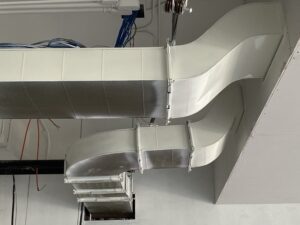
How Duct Cleaning Helps Homes in North Lauderdale During the Rainy Season
North Lauderdale, Florida, is known for its warm, tropical climate and a rainy season that typically spans from May through October. While the abundant rain helps maintain lush landscapes, it also creates a challenge for homeowners: high indoor humidity, moisture accumulation, and airborne contaminants. One area of the home that is particularly affected during the rainy season is the air duct system.
Dirty or neglected air ducts can circulate dust, allergens, mold spores, and bacteria throughout the home, exacerbating respiratory problems and decreasing overall indoor air quality (IAQ). Duct cleaning is not just a matter of cleanliness; it is a critical step in maintaining a safe, healthy, and comfortable living environment—especially during periods of heavy rain when moisture problems are more prevalent.
This guide explores why duct cleaning matters in North Lauderdale, the specific risks posed by the rainy season, the benefits of professional duct cleaning, the process involved, and practical tips for homeowners.
1. The Importance of Duct Cleaning
Air ducts are responsible for circulating conditioned air throughout a home. While this system is designed to provide comfort, it can also distribute contaminants if not properly maintained.
1.1 Health Implications
Poorly maintained ducts can become breeding grounds for mold, dust, pollen, and bacteria. When these contaminants circulate through the HVAC system, they can trigger:
- Allergies and asthma attacks
- Respiratory infections or irritation
- Eye, nose, and throat discomfort
- Fatigue and headaches caused by prolonged exposure to indoor pollutants
During the rainy season, moisture that enters ducts can accelerate mold growth, making the problem more urgent.
1.2 System Efficiency
Clogged ducts reduce the efficiency of HVAC systems:
- Dust and debris in ducts force fans and blowers to work harder, increasing energy consumption.
- Airflow restrictions can lead to uneven cooling or heating in the home.
- Moisture combined with dust buildup can cause corrosion of ductwork, reducing lifespan and efficiency.
1.3 Odor Control
- Moisture and mold in ducts can produce musty or stale odors, which circulate throughout the home.
- Regular duct cleaning removes debris and contaminants that contribute to unpleasant indoor odors.
2. Why the Rainy Season Increases Duct-Related Issues in North Lauderdale
The rainy season in North Lauderdale brings high humidity, heavy rainfall, and frequent storms, all of which can negatively affect duct systems.
2.1 High Humidity
- Humidity levels often exceed 70% during the rainy season.
- Moisture can condense inside ducts, creating an environment suitable for mold and mildew growth.
- High humidity combined with dust provides an ideal breeding ground for bacteria and allergens.
2.2 Water Intrusion
- Heavy rains can lead to roof leaks, window leaks, and plumbing leaks, introducing water into duct systems.
- Flooded or damp areas connected to the ductwork increase the likelihood of mold and structural contamination.
2.3 Storm Damage and Debris
- Storms can introduce pollen, dust, and outdoor debris into air intake vents.
- Leaves, dirt, and small pests may enter ducts, contaminating the HVAC system.
2.4 HVAC System Overload
- During the rainy season, homeowners rely heavily on air conditioning to manage indoor humidity and temperature.
- Extended system usage increases the circulation of airborne particles through the ducts, spreading contaminants more widely.
3. Warning Signs That Your Ducts Need Cleaning
Homeowners should monitor their duct system for these warning signs, particularly during and after the rainy season:
3.1 Visible Mold or Dust
- Mold growth near vents or dust accumulation on duct surfaces indicates the need for cleaning.
3.2 Musty or Stale Odors
- Persistent musty odors are often caused by moisture and mold inside ducts.
3.3 Increased Allergy or Asthma Symptoms
- Frequent sneezing, coughing, or respiratory discomfort may result from circulating contaminants in the air ducts.
3.4 Uneven Heating or Cooling
- Dust and debris can restrict airflow, causing certain rooms to feel hotter or colder than others.
3.5 Excessive Dust Accumulation
- Dust buildup on surfaces around the home despite regular cleaning may indicate contaminated ductwork.
4. Benefits of Professional Duct Cleaning
Professional duct cleaning provides numerous benefits for homeowners in North Lauderdale, particularly during the rainy season.
4.1 Improved Indoor Air Quality
- Removes dust, mold spores, pollen, and bacteria from the duct system.
- Reduces allergens, helping residents with asthma or allergies breathe easier.
- Improves overall home comfort by circulating cleaner air.
4.2 Health Protection
- Eliminates potential sources of respiratory irritation and infections.
- Reduces exposure to mold and bacterial spores, which can grow rapidly in damp conditions.
4.3 Energy Efficiency
- Clean ducts allow HVAC systems to operate efficiently.
- Reduces energy bills by improving airflow and reducing strain on the system.
4.4 Odor Elimination
- Removes sources of musty or stale odors caused by moisture and contaminants.
- Freshens the indoor environment during periods of high humidity.
4.5 Structural Protection
- Prevents mold growth within walls and ceilings connected to ductwork.
- Helps extend the lifespan of HVAC equipment by reducing dust and moisture-related wear.
5. The Duct Cleaning Process
Professional duct cleaning typically involves the following steps:
Step 1: Inspection
- Technicians inspect the duct system to identify dust accumulation, mold growth, and moisture problems.
- Specialized tools such as cameras and moisture meters may be used for detailed assessment.
Step 2: Containment and Safety
- Affected areas are sealed to prevent the spread of dust and debris during cleaning.
- Technicians wear protective gear to reduce exposure to allergens and mold spores.
Step 3: Debris Removal
- Industrial vacuums and brushes remove dust, dirt, and debris from ducts.
- High-pressure air tools may be used to dislodge stubborn particles.
Step 4: Mold Treatment (if necessary)
- If mold is detected, antifungal and antimicrobial solutions are applied.
- Moisture sources are identified and repaired to prevent recurrence.
Step 5: System Cleaning and Polishing
- Registers, grilles, and vents are cleaned thoroughly.
- Duct surfaces may be polished or treated to reduce future dust accumulation.
Step 6: Final Inspection
- The system is tested for airflow and contaminant removal.
- Homeowners receive documentation verifying that ducts are clean and free of contaminants.
6. Prevention Tips During the Rainy Season
Maintaining clean ducts during the rainy season requires both professional services and homeowner vigilance.
6.1 Regular Inspections
- Schedule duct inspections before and during the rainy season to catch potential problems early.
- Identify leaks, moisture accumulation, or debris entry points.
6.2 Moisture Control
- Maintain indoor humidity between 40–50% using dehumidifiers or air conditioning.
- Address water leaks promptly, whether from plumbing, roofs, or windows.
6.3 HVAC Maintenance
- Replace air filters every 1–3 months to reduce contaminants.
- Schedule professional HVAC maintenance to clean coils, condensate lines, and ductwork.
6.4 Ventilation Improvements
- Use exhaust fans in kitchens, bathrooms, and laundry areas to reduce indoor moisture.
- Ensure adequate airflow in attics and crawlspaces.
6.5 Seal Duct Leaks
- Inspect ducts for gaps or leaks and seal them with appropriate materials.
- Properly sealed ducts prevent moisture and debris from entering the system.
6.6 Limit Indoor Pollutants
- Avoid smoking indoors and minimize the use of VOC-containing products.
- Regularly vacuum and dust living areas to reduce particle buildup in the duct system.
7. Case Study: Duct Cleaning in a North Lauderdale Home
A homeowner in North Lauderdale noticed musty odors, increased dust, and allergy symptoms during the peak of the rainy season. Inspection revealed:
- Significant dust accumulation in the duct system.
- Mold growth in ducts near the attic due to condensation.
- Restricted airflow in some rooms caused by debris buildup.
Professional duct cleaning included:
- Full inspection and identification of problem areas.
- Removal of dust, debris, and mold spores using industrial vacuums and brushes.
- Application of antifungal treatment in affected ducts.
- Repair and sealing of minor leaks in the duct system.
- Post-cleaning verification to ensure air quality improvement.
Outcome: Indoor air quality improved, respiratory discomfort decreased, and the HVAC system operated more efficiently during the humid rainy season.
8. Conclusion
The rainy season in North Lauderdale presents unique challenges for homeowners, including high humidity, moisture accumulation, and increased dust and allergens. Duct cleaning is an essential preventive measure that improves indoor air quality, protects health, increases HVAC efficiency, and prevents structural damage.
By recognizing warning signs—such as musty odors, visible dust, and uneven airflow—and combining professional duct cleaning with regular maintenance, humidity control, and proper ventilation, homeowners can ensure their homes remain comfortable, healthy, and safe throughout the rainy season.
Investing in duct cleaning is not merely about cleanliness; it is a long-term strategy to protect your home, family, and property value in North Lauderdale. Properly maintained ducts contribute to a healthier, more comfortable living environment, especially during periods of high humidity and rainfall.
