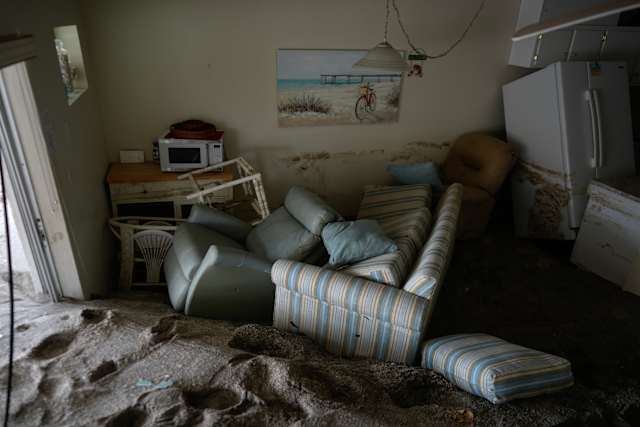
How Flood Restoration Helps Homes in Deerfield Beach in Older Homes
Older homes in Deerfield Beach have a lot of character—solid construction, unique layouts, and decades of history. But they also face challenges that newer properties often avoid, especially when it comes to flooding and water intrusion. With South Florida’s heavy rains, seasonal storms, and high humidity, flood restoration isn’t just a repair service. It’s an essential step in protecting the structure, indoor air quality, and long-term value of older properties.
Understanding how flood restoration works—and why it matters so much in older homes—can help homeowners and property managers respond quickly and prevent larger problems.
What Flood Restoration Really Means
Flood restoration is more than just removing water. It’s a complete process designed to return a property to safe, dry, and stable condition after water intrusion.
In older Deerfield Beach homes, this process often includes:
- Water extraction
- Structural drying
- Moisture detection inside walls and floors
- Cleaning and sanitizing affected areas
- Repairing water-damaged materials
- Preventing mold growth
Because older homes often contain porous materials and less modern moisture barriers, thorough drying and inspection are critical.
Why Flooding Is So Common in Deerfield Beach
Deerfield Beach sits in a coastal environment where moisture is part of daily life. Several factors make flooding and water damage especially common:
Heavy seasonal rains can overwhelm drainage systems.
Storm surge and wind-driven rain can force water into older building envelopes.
High groundwater levels slow the drying process.
Aging plumbing systems increase the risk of leaks and failures.
Older roofing and window seals may allow water intrusion during storms.
Nearby communities like Lighthouse Point, Pompano Beach, and Coconut Creek experience similar conditions, which is why flood restoration services are frequently needed across Broward County.
Common Signs Homeowners Notice After Flooding
Water damage isn’t always dramatic or obvious. In many older homes, the first signs are subtle.
Homeowners often notice:
- Musty or damp odors
- Warped baseboards or flooring
- Peeling paint or bubbling drywall
- Staining on ceilings or walls
- Carpet that feels damp days after a storm
- Increased humidity indoors
These warning signs usually mean moisture remains trapped somewhere inside the structure.
Hidden or Overlooked Sources of Moisture
Older homes tend to trap water in places that aren’t visible.
Some of the most common hidden areas include:
- Behind drywall and paneling
- Under hardwood or laminate flooring
- Inside insulation
- Around window frames
- Inside ductwork
- Beneath cabinets and appliances
If moisture stays in these areas, it can lead to structural deterioration and mold growth over time.
Why DIY Cleanup Usually Falls Short
After minor flooding, many homeowners try to handle cleanup themselves. While removing visible water is helpful, DIY methods rarely address the deeper problem.
Standard household fans and dehumidifiers often cannot:
- Remove moisture from wall cavities
- Dry subfloors properly
- Detect hidden dampness
- Prevent microbial growth
Older homes, in particular, contain materials that hold water longer, making professional drying equipment essential.
Professional Mold Inspection and Testing After Flooding
Flooding often creates conditions where mold begins developing within 24 to 48 hours. That’s why professional inspection is a critical step in restoration.
A proper inspection typically involves:
- Moisture mapping
- Thermal imaging to locate hidden dampness
- Surface and air sampling when needed
- Identifying areas at highest risk
Experienced local companies such as Pompano Mold Inspection and Testing understand how flooding affects South Florida homes and how quickly humidity can accelerate mold growth.
The Proper Flood Restoration Process
Flood restoration in older homes follows a structured approach designed to protect both the building and its occupants.
1. Water Extraction
Powerful pumps and vacuums remove standing water quickly to prevent deeper saturation.
2. Structural Drying
Industrial air movers and dehumidifiers dry wood framing, flooring, and wall materials.
3. Moisture Monitoring
Technicians measure moisture levels daily to ensure drying is complete.
4. Cleaning and Sanitizing
Affected surfaces are cleaned to reduce microbial contamination.
5. Repairs and Restoration
Damaged drywall, flooring, or insulation may be replaced where necessary.
This process ensures the home is not only dry but also safe for long-term occupancy.
Flood Restoration and Water Damage Repair
Older homes often require repairs beyond drying alone.
Common restoration repairs include:
- Replacing damaged drywall
- Repairing subfloor sections
- Restoring baseboards and trim
- Addressing warped flooring
- Sealing entry points where water intruded
In Deerfield Beach, salt air and humidity can accelerate deterioration, so proper restoration protects structural integrity.
Air Ducts, AC Systems, and Flooding
One area many homeowners overlook is the HVAC system.
Flooding and excess humidity can lead to:
- Moisture inside air ducts
- Mold growth on coils or drain pans
- Reduced air quality
- Persistent musty odors
Older homes often have duct systems that are less sealed than modern installations, allowing moisture to enter more easily. Cleaning and inspecting ductwork after flooding is often recommended to prevent long-term issues.
How to Prevent Flood Damage in Older Homes
While storms cannot be controlled, several practical steps can reduce the risk of severe damage:
- Keep gutters and drains clear
- Inspect roofing and flashing annually
- Seal windows and exterior gaps
- Maintain AC drain lines
- Use dehumidifiers during humid months
- Schedule regular moisture inspections
Proactive maintenance helps homeowners in Deerfield Beach and nearby areas like Margate and North Lauderdale stay ahead of potential problems.
Why Local Experience Matters
Flood restoration in South Florida requires understanding local building styles, climate conditions, and moisture behavior. Older homes in coastal communities behave very differently from newer construction.
Local professionals know:
- How humidity slows drying
- Where moisture hides in slab foundations
- Which materials are most vulnerable
- How storm patterns affect properties
Companies familiar with Broward County conditions, including Pompano Mold Inspection and Testing, bring valuable regional knowledge that improves restoration outcomes.
A Calm, Practical Next Step
Flooding can be stressful, especially in older homes where damage may not be immediately visible. Acting quickly, drying thoroughly, and inspecting carefully are the most important steps in protecting the home and preventing future problems.
When restoration is handled properly, older Deerfield Beach homes can recover fully and remain strong, safe, and comfortable for many years to come.