
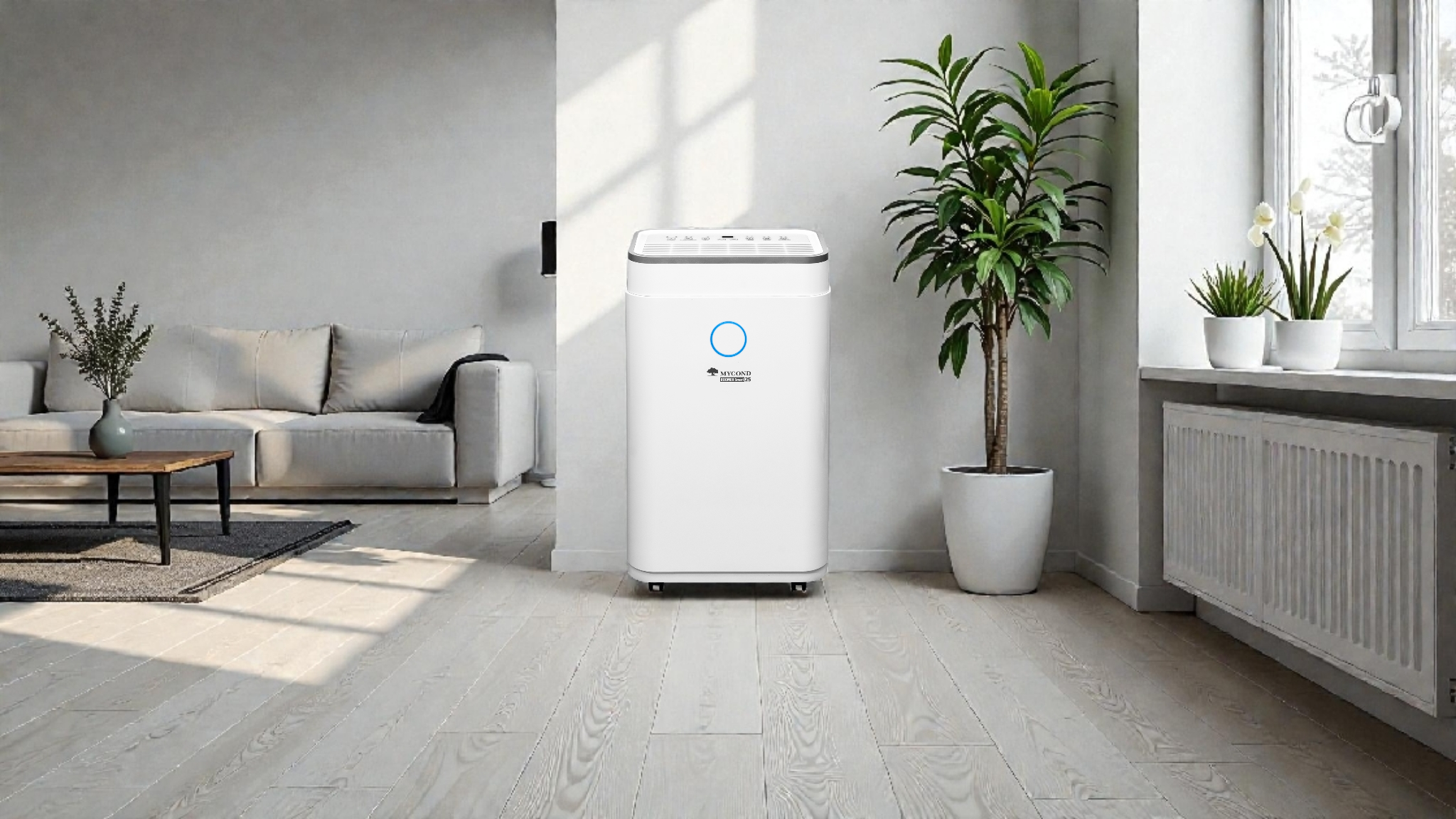
How Home Moisture Control Helps Homes in Lighthouse Point in Rental Properties
Moisture problems are one of the most common—and most expensive—issues in rental properties, especially in coastal areas. In Lighthouse Point, high humidity, frequent rain, and a shallow water table make moisture control a critical responsibility for property owners and managers. Unlike owner-occupied homes, rental properties face unique challenges: delayed reporting, higher wear and tear, and less day-to-day oversight.
Effective home moisture control isn’t just about comfort. In rental properties, it directly impacts habitability, maintenance costs, tenant satisfaction, and long-term property value. This article explains how moisture control helps rental homes in Lighthouse Point—and why ignoring it almost always leads to bigger problems.
Why Rental Properties Are More Vulnerable to Moisture Issues
Rental homes experience moisture problems differently than single-family owner-occupied properties.
Key reasons include:
- Tenants may not recognize early moisture warning signs
- Small leaks are often reported late
- Furniture and belongings can block airflow and hide damage
- AC systems run inconsistently based on tenant habits
- Vacant periods allow humidity to build up unnoticed
In a humid coastal climate, even short delays allow moisture to soak into materials and linger.
What “Home Moisture Control” Really Means
Moisture control goes beyond fixing leaks. It’s a combination of systems, habits, and preventive measures that keep water and humidity from damaging the home.
In rental properties, moisture control typically includes:
- Managing indoor humidity levels
- Preventing and detecting leaks early
- Controlling condensation from HVAC systems
- Drying materials properly after water events
- Preventing moisture buildup in hidden areas
When these elements work together, moisture problems stay manageable instead of destructive.
How Excess Moisture Damages Rental Homes
Unchecked moisture affects more than surfaces. Over time, it compromises building materials and indoor conditions.
Common damage includes:
- Swollen or crumbling drywall
- Warped flooring and loose tile
- Deteriorated baseboards and trim
- Saturated insulation that never fully dries
- Structural wood decay
- Persistent musty odors
In rental properties, this often leads to repeated repairs between tenants—or worse, during occupancy.
Moisture Control and Mold Prevention
Mold is one of the biggest liabilities for rental property owners. In Lighthouse Point’s climate, mold doesn’t require flooding—just moisture and time.
Home moisture control helps prevent mold by:
- Keeping humidity at safe levels
- Drying wet materials quickly
- Preventing condensation around vents and ducts
- Identifying hidden damp areas early
Preventing mold is far less expensive than remediating it, especially when tenants are involved.
The Role of HVAC Systems in Moisture Control
Air conditioning systems play a major role in managing moisture, but only when they’re working correctly.
Common HVAC-related moisture issues in rentals include:
- Clogged condensate drain lines
- Overflowing drain pans
- Poorly insulated ductwork sweating in attics
- Oversized units that cool too fast and fail to dehumidify
Routine HVAC maintenance is one of the most effective moisture control strategies for rental properties.
Why Moisture Control Improves Tenant Comfort and Retention
Tenants may not use technical language, but they notice moisture problems quickly.
Moisture-related complaints often sound like:
- “The apartment smells musty.”
- “It feels damp even with the AC on.”
- “We keep getting stains on the ceiling.”
- “The floors feel uneven or sticky.”
Homes with controlled moisture feel cleaner, fresher, and more comfortable—leading to fewer complaints and longer tenancies.
Moisture Control Between Tenants: A Critical Window
Vacancy periods are one of the best times to address moisture issues.
During turnover, property owners can:
- Inspect under sinks, behind appliances, and inside cabinets
- Check humidity levels in empty units
- Address minor leaks before they worsen
- Dry out areas tenants may not have noticed
Proactive moisture control during vacancy prevents inheriting hidden problems with the next tenant.
How Moisture Control Reduces Long-Term Maintenance Costs
Reactive repairs are expensive. Preventive moisture control is not.
Over time, moisture control helps reduce:
- Emergency maintenance calls
- Repeated drywall and paint repairs
- Flooring replacements
- Mold-related remediation costs
- Insurance disputes and claims
Small, consistent prevention steps save significant money over the life of a rental property.
Moisture Control and Property Value Protection
Coastal rental properties are long-term investments. Moisture damage silently erodes that value.
Effective moisture control protects:
- Structural materials
- Interior finishes
- Indoor air quality
- The property’s reputation with tenants
- Resale and appraisal outcomes
Properties with a history of moisture and mold issues are harder to insure, sell, or refinance.
Common Moisture Control Mistakes in Rental Properties
Many problems worsen because of avoidable mistakes.
Common errors include:
- Treating moisture damage as cosmetic
- Painting over stains without drying
- Skipping inspections between tenants
- Relying on tenants to manage humidity
- Fixing leaks but ignoring trapped moisture
Moisture control requires systems—not assumptions.
Practical Moisture Control Strategies That Work
For rental properties in Lighthouse Point, effective strategies include:
- Regular HVAC inspections and drain line cleaning
- Monitoring indoor humidity during maintenance visits
- Prompt drying after any leak or water event
- Sealing ductwork and insulating cold surfaces
- Inspecting high-risk areas regularly
Consistency matters more than perfection.
Legal and Habitability Considerations
Moisture and mold issues can quickly become legal problems in rental properties.
Moisture control helps property owners:
- Meet habitability standards
- Document proactive maintenance
- Reduce tenant disputes
- Demonstrate due diligence
Clear moisture management protects both the property and the owner.
Final Thoughts
In Lighthouse Point rental properties, moisture control isn’t optional—it’s essential. High humidity, coastal conditions, and the realities of tenant occupancy make moisture one of the biggest threats to long-term property health.
By investing in consistent home moisture control, property owners reduce repairs, prevent mold, improve tenant satisfaction, and protect their investment. In a climate where moisture is always present, the real advantage isn’t eliminating it completely—it’s controlling it before it controls the property.
