


How Indoor Air Quality Improvement Helps Homes in Deerfield Beach After Flooding
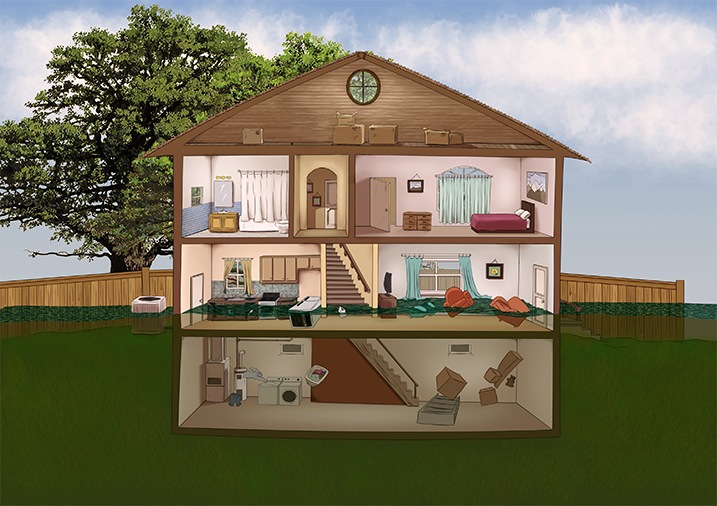
Flooding can leave behind more than visible water damage in Deerfield Beach homes. Even after standing water is removed and surfaces appear dry, indoor air quality often suffers. Moisture trapped inside walls, flooring, insulation, and HVAC systems can continue to affect the air residents breathe long after the flood event.
Improving indoor air quality after flooding is a critical step in restoring a healthy home environment. In Deerfield Beach’s humid climate, addressing air quality helps prevent lingering odors, moisture-related damage, and long-term indoor problems that are easy to overlook.
How Flooding Impacts Indoor Air Quality
When floodwater enters a home, it disrupts normal air conditions almost immediately. Moisture levels rise sharply, and water spreads into porous materials that hold dampness long after surfaces dry.
As materials remain wet, they release moisture back into the air. This increases indoor humidity and creates conditions where odors develop and particles become airborne more easily.
Dust, debris, and residues left behind by floodwater can also become part of the indoor air. Without proper air quality improvement, these issues can persist even after visible cleanup is complete.
Why Deerfield Beach Homes Are Especially Affected After Flooding
Deerfield Beach experiences high humidity for much of the year, which slows natural drying after flooding. Even with air conditioning running, indoor moisture levels can remain elevated.
Many homes have slab foundations that trap moisture beneath flooring after floods. This moisture slowly releases into indoor air, affecting comfort and air quality.
Coastal influences and frequent storms increase the likelihood of repeated moisture exposure. Homes that have flooded once are often more vulnerable to lingering air quality issues if drying and ventilation are incomplete.
Common Signs of Poor Indoor Air Quality After Floods
One of the most common signs is a persistent musty or damp odor that does not fade. This smell often becomes stronger when the AC system runs.
Homeowners may notice air that feels heavy or humid, even days or weeks after water removal. Increased condensation on windows or vents can also indicate elevated indoor moisture.
Dust accumulation may seem worse than usual, or residents may feel that the air is stale despite cleaning. These signs often point to hidden moisture and airborne particles left behind after flooding.
Hidden Sources That Affect Air Quality
Flood-related air quality problems often come from areas that are not visible. Moisture trapped inside walls and insulation slowly releases into the air.
Wet flooring materials, especially carpet padding and subflooring, can continue affecting air quality long after they appear dry.
HVAC systems are another major contributor. Flood-related humidity or water intrusion can affect air handlers and ductwork, allowing moisture and debris to circulate throughout the home.
Without addressing these hidden sources, air quality improvements remain incomplete.
Why Drying Alone Is Not Enough
Drying removes moisture from materials, but it does not automatically restore indoor air quality. Even after drying, fine particles, odors, and residual moisture can remain suspended in the air.
If humidity levels remain high, indoor air can continue feeling uncomfortable and stale. Odors may persist despite clean surfaces.
Air quality improvement focuses on controlling humidity, filtering air, and addressing airborne issues that drying alone cannot resolve.
How Indoor Air Quality Improvement Works After Flooding
Air quality improvement typically begins after water removal and initial drying. The goal is to stabilize indoor conditions and remove airborne moisture and particles.
Dehumidification plays a central role by reducing humidity to levels that discourage moisture-related problems. Proper humidity control helps prevent further damage and supports material recovery.
Air filtration and air scrubbing remove fine particles and odors from the air. These systems help clean indoor air while drying continues.
Pompano Mold Inspection and Testing incorporates indoor air quality improvement into flood recovery efforts for Deerfield Beach homes and surrounding Broward County communities.
The Role of HVAC Systems in Air Quality Recovery
Air conditioning systems are essential for controlling indoor humidity, but after flooding, they may need inspection.
If ductwork or air handlers were exposed to excess moisture, they can contribute to poor air quality. Moisture inside HVAC components may circulate damp air or odors throughout the home.
Evaluating and addressing HVAC-related moisture issues helps restore balanced airflow and supports long-term air quality improvement.
Preventing Mold Through Air Quality Control
One of the biggest benefits of improving indoor air quality after flooding is mold prevention. Mold depends on moisture, and elevated humidity creates favorable conditions.
By controlling indoor moisture and improving air circulation, homeowners reduce the likelihood of mold developing in hidden areas.
Air quality improvement works alongside drying to create an environment where mold struggles to grow.
How Air Quality Improvement Supports Structural Recovery
Improved air conditions help materials dry evenly and completely. Balanced humidity prevents warping, swelling, and material breakdown.
By removing excess moisture from the air, air quality improvement supports long-term structural stability and reduces the risk of recurring issues.
Homes that focus on both drying and air quality tend to recover more fully after flooding.
Practical Steps Homeowners Can Take After Flooding
After a flood, avoid sealing the home too tightly too soon. Controlled ventilation supports air movement during recovery.
Run AC systems as recommended, but do not rely on them alone for moisture control. Dehumidification is often necessary in humid conditions.
If odors or humidity persist after drying, request an indoor air quality assessment. Early action helps prevent long-term issues.
Regular inspections after flooding help ensure both moisture and air quality concerns are addressed.
Why Local Experience Matters in Deerfield Beach
Indoor air quality challenges vary by location. Deerfield Beach homes face specific risks related to humidity, coastal weather, and construction styles.
Professionals with local experience understand how flooding affects air quality in South Florida homes and which solutions work best.
Pompano Mold Inspection and Testing brings this local understanding to Deerfield Beach, Pompano Beach, Lighthouse Point, Boca Raton, and surrounding Broward County areas.
A Practical Next Step for Homeowners
If your Deerfield Beach home has experienced flooding, improving indoor air quality is a key part of full recovery. Addressing moisture, airflow, and airborne particles helps restore comfort and protects the home long-term.
Taking a comprehensive approach that includes air quality improvement ensures that flood recovery addresses what you can see and what you cannot.
