

How Indoor Air Quality Improvement Helps Homes in Margate in Commercial Buildings
Commercial buildings in Margate face constant indoor air quality challenges due to high humidity, frequent rain, heavy HVAC usage, and shared building systems. Offices, retail spaces, medical facilities, and mixed-use properties all rely on controlled indoor environments, yet air quality issues often develop quietly after moisture events, HVAC problems, or prolonged humidity exposure.
Indoor air quality improvement in commercial buildings goes beyond comfort. It plays a key role in protecting building materials, maintaining consistent indoor conditions, and preventing long-term moisture-related issues. In Margate’s climate, improving air quality is an essential part of responsible commercial property management.
Why Indoor Air Quality Is a Concern in Margate Commercial Buildings
Margate experiences warm temperatures and high humidity for much of the year. Moist outdoor air easily enters commercial buildings through entrances, ventilation systems, and loading areas.
Commercial HVAC systems operate for extended hours and serve large areas. When systems struggle with humidity control, moisture can accumulate inside ducts, ceilings, and wall cavities.
Storms and heavy rain increase the risk of water intrusion through roofs, exterior walls, and windows. Even minor water events can affect indoor air long after visible cleanup is complete.
Because commercial spaces often have limited natural ventilation, poor indoor air quality can persist without targeted improvement.
How Poor Indoor Air Quality Develops in Commercial Properties
Indoor air quality issues often begin with moisture. Elevated humidity allows airborne particles to remain suspended longer and creates discomfort.
Moisture trapped in ceilings, insulation, or flooring releases water vapor back into the air over time. This keeps indoor humidity elevated even after drying appears complete.
HVAC systems affected by condensation or debris can circulate damp air and odors throughout the building.
In shared commercial environments, these issues can spread quickly across multiple units or floors.
Common Signs of Indoor Air Quality Problems
One of the first signs is persistent musty or damp odors, especially after rain or HVAC operation.
Employees or tenants may notice air that feels heavy, stale, or humid despite normal temperatures.
Condensation on vents, windows, or ceiling surfaces often indicates humidity imbalance.
Increased dust accumulation or uneven comfort levels across different areas of the building can also point to air quality issues.
These signs suggest underlying moisture or airflow problems.
Hidden Sources That Affect Commercial Indoor Air Quality
Many air quality issues originate in areas that are not visible. Ceiling cavities often hold moisture after roof leaks or AC condensation.
Wall cavities near restrooms, break rooms, and plumbing chases can trap humidity and affect indoor air.
HVAC systems are a major factor. Air handlers, return plenums, and ductwork can harbor moisture and debris that influence air quality building-wide.
Flooring systems, especially carpet tiles and underlayment, may retain moisture after leaks and release it slowly into the air.
Without inspection, these sources remain active.
Why Drying Alone Does Not Solve Air Quality Issues
Drying removes moisture from materials, but it does not always restore balanced indoor air conditions.
Even after drying, humidity may remain elevated due to residual moisture or HVAC inefficiencies.
Odors and fine particles can continue circulating if air filtration and airflow are not addressed.
Indoor air quality improvement focuses on stabilizing conditions rather than just drying surfaces.
How Indoor Air Quality Improvement Works in Commercial Buildings
The process begins with an assessment of moisture, airflow, and HVAC performance. Identifying the root cause is essential.
Dehumidification is used to reduce indoor humidity to stable levels that discourage moisture-related problems.
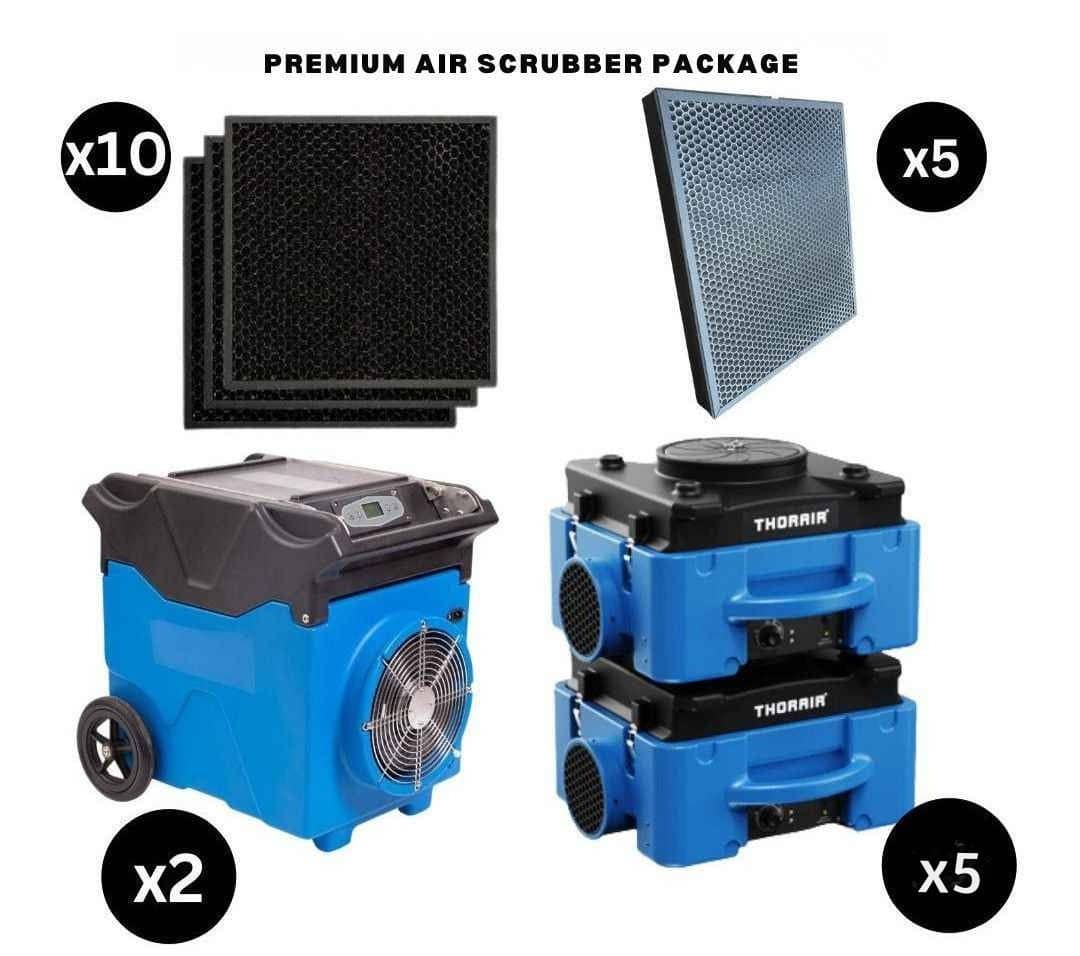
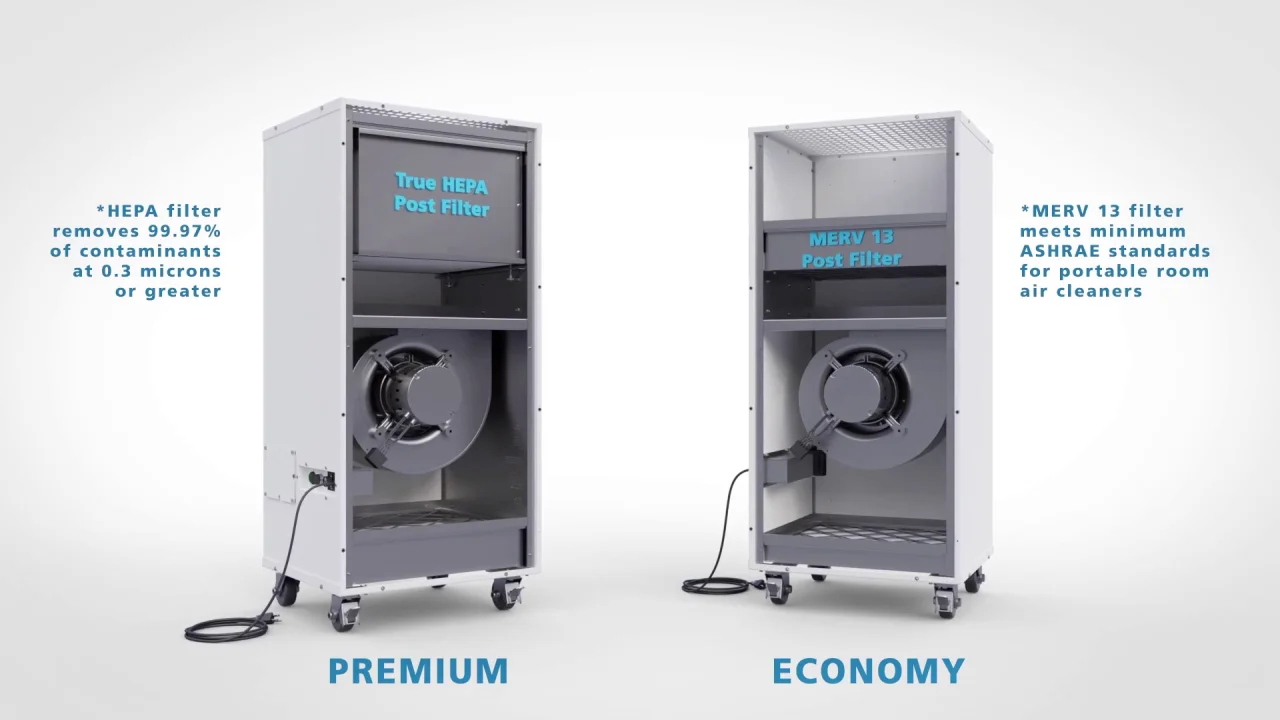
Air filtration and air scrubbing help remove fine particles, odors, and airborne debris from circulation.
Ventilation adjustments support proper air exchange without introducing excess outdoor humidity.
Pompano Mold Inspection and Testing integrates indoor air quality improvement into commercial moisture management services for Margate properties and surrounding Broward County areas.
The Role of HVAC Systems in Air Quality Improvement
HVAC systems are central to indoor air quality. When functioning properly, they regulate humidity and circulate clean air.
If HVAC components are affected by moisture, they can undermine air quality efforts by redistributing damp air or odors.
Inspection of air handlers, ductwork, and drainage systems helps identify condensation and airflow issues.
Correcting HVAC-related problems supports consistent air quality across commercial spaces.
Indoor Air Quality Improvement and Mold Prevention
One of the most important benefits of improving indoor air quality is mold prevention.
Mold depends on moisture and stagnant air. By controlling humidity and improving airflow, indoor conditions become less favorable for growth.
In commercial buildings, this reduces the risk of mold spreading through shared systems and affecting multiple areas.
Air quality improvement works alongside moisture control to protect building materials.
Benefits for Commercial Property Owners and Managers
Improved indoor air quality helps maintain consistent comfort for occupants.
It reduces odor complaints and helps preserve interior finishes and building materials.
Balanced air conditions support HVAC efficiency and reduce system strain.
Proactive air quality management often lowers long-term maintenance costs by preventing recurring moisture issues.
For commercial properties, this approach supports smoother operations and fewer disruptions.
Practical Steps for Maintaining Air Quality After Improvement
Schedule regular HVAC maintenance to manage condensation and airflow.
Address roof leaks, plumbing issues, and water intrusion promptly.
Monitor indoor humidity, especially during warmer months and after storms.
Ensure ventilation systems are functioning correctly in restrooms, kitchens, and mechanical areas.
Consider periodic professional inspections for buildings with a history of moisture issues.
Why Local Experience Matters in Margate
Commercial indoor air quality challenges vary by location. Margate buildings face specific risks related to humidity, storm patterns, and construction styles.
Local professionals understand how moisture and air behave in South Florida commercial environments.
Pompano Mold Inspection and Testing brings this local experience to Margate, Coconut Creek, North Lauderdale, Pompano Beach, and surrounding Broward County communities.
A Practical Approach for Commercial Buildings
Indoor air quality improvement is an essential part of managing commercial buildings in Margate. Addressing humidity, airflow, and HVAC conditions together creates a stable indoor environment.
By taking a structured, informed approach, property owners and managers can protect their buildings, support occupant comfort, and reduce long-term moisture-related risks.
