
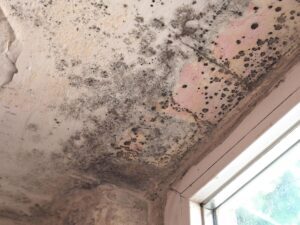
How Moisture Detection Helps Homes in Coconut Creek After Heavy Rain
Coconut Creek, Florida, is a thriving suburban community in Broward County known for its family-friendly neighborhoods, abundant greenery, and close proximity to both beaches and inland waterways. While its tropical climate and lush surroundings make it an attractive place to live, the city’s weather patterns also pose unique challenges for homeowners, particularly in managing water and moisture-related issues. Heavy rainfall, which is common during Florida’s wet season, can lead to water infiltration, dampness, and hidden moisture in homes. If left unaddressed, this can result in structural damage, mold growth, poor indoor air quality, and significant financial costs.
Professional moisture detection services play a critical role in identifying hidden water issues, preventing long-term damage, and protecting both residents and property value. This guide explores the importance of moisture detection, common sources of water problems, early signs of moisture issues, inspection techniques, and strategies for homeowners in Coconut Creek.
1. Why Moisture Detection Is Critical After Heavy Rain
Heavy rains in Coconut Creek can expose vulnerabilities in homes that might otherwise go unnoticed. While visible leaks or water pooling are easy to spot, hidden moisture is often the most damaging. Moisture detection is important for several reasons:
1.1 Protecting Structural Integrity
- Wood, drywall, and flooring absorb water, weakening structural components over time.
- Foundation cracks or subsurface water infiltration can compromise the stability of the home.
- Detecting moisture early allows homeowners to take corrective action before structural damage occurs.
1.2 Preventing Mold and Mildew Growth
- Moist environments are ideal for mold, which can develop within 24–48 hours of water exposure.
- Mold can spread quickly behind walls, under floors, and in ceilings, creating health hazards and expensive remediation costs.
1.3 Maintaining Indoor Air Quality
- Hidden moisture promotes microbial growth and increases humidity, which can affect indoor air quality.
- Poor air quality can trigger allergies, asthma, and respiratory infections among residents.
1.4 Reducing Financial Risk
- Early detection prevents extensive water damage that requires major repairs.
- Insurance claims are easier to file when homeowners have documented moisture detection assessments.
2. Common Sources of Moisture in Coconut Creek Homes
Understanding where moisture can originate after heavy rain is key to prevention and detection. Common sources include:
2.1 Roof and Attic Leaks
- Damaged or missing shingles, faulty flashing, and clogged gutters can allow water to seep into attics and ceilings.
- Over time, water exposure can weaken wooden beams, insulation, and ceiling materials.
2.2 Foundation and Crawlspace Intrusion
- Poor grading or landscaping can direct water toward the foundation.
- Crawlspaces that lack vapor barriers or proper drainage often become saturated during storms.
2.3 Plumbing Failures
- Burst or leaking pipes, water heaters, or appliances can introduce moisture into floors and walls.
- Subfloor plumbing can remain hidden, making early detection critical.
2.4 Windows and Doors
- Damaged seals or weatherstripping allow water intrusion around frames.
- Condensation on poorly insulated windows contributes to moisture buildup.
2.5 HVAC Systems
- Air conditioning units, ductwork, and condensation lines can retain moisture if clogged or malfunctioning.
- Improperly maintained HVAC systems may distribute damp air throughout the home.
3. Early Signs of Moisture Problems
Homeowners should monitor for subtle indications of moisture issues after heavy rainfall. Early signs include:
- Musty odors: Often the first noticeable indication of hidden moisture.
- Water stains: Discoloration on walls, ceilings, or floors.
- Peeling paint or wallpaper: Bubbling or flaking caused by trapped moisture.
- Warped or soft flooring: Swelling or buckling of wood, laminate, or vinyl floors.
- Condensation: Water accumulation on windows, pipes, or walls.
- Unexplained allergies or respiratory symptoms: May indicate mold growth from hidden dampness.
Even minor signs should prompt professional moisture detection to prevent escalation.
4. Moisture Detection Methods for Homes
Professional moisture detection services use specialized tools and techniques to identify hidden water problems:
4.1 Visual Inspection
- Inspectors examine visible areas for water stains, discoloration, or structural damage.
- Attention is given to basements, crawlspaces, attics, and areas around plumbing and HVAC systems.
4.2 Moisture Meters
- Devices measure water content in walls, floors, and ceilings.
- Pinless meters detect moisture without damaging surfaces, while pin-type meters provide precise readings within materials.
4.3 Thermal Imaging
- Infrared cameras detect temperature differences caused by moisture accumulation.
- Useful for finding water behind walls or under floors without demolition.
4.4 Hygrometer Readings
- Measures relative humidity in specific areas, identifying spots prone to condensation or mold growth.
4.5 Air and Surface Sampling
- Samples of air or surfaces may be collected for lab analysis to detect mold spores and microbial growth.
These methods allow inspectors to identify hidden water issues accurately, enabling timely and targeted remediation.
5. Benefits of Professional Moisture Detection
5.1 Early Problem Identification
- Detects moisture before it leads to structural damage or mold growth.
- Identifies areas that may not be visible or accessible to homeowners.
5.2 Health Protection
- Prevents exposure to mold, bacteria, and other allergens.
- Ensures indoor air quality remains safe for all residents.
5.3 Cost Savings
- Reduces the need for extensive repairs by addressing minor leaks early.
- Helps prioritize repairs to minimize unnecessary expenses.
5.4 Insurance Documentation
- Provides evidence of water issues, supporting claims for flood or water damage.
- Demonstrates proactive property management to insurers.
5.5 Preservation of Property Value
- Protects structural components and aesthetic finishes.
- Maintains long-term resale value by preventing hidden water damage.
6. Post-Detection Steps for Homeowners
Once moisture is detected, homeowners should act promptly:
6.1 Immediate Drying
- Use industrial fans, dehumidifiers, and proper ventilation to dry wet areas.
- Ensure crawlspaces and basements are thoroughly dried to prevent microbial growth.
6.2 Repairs
- Fix leaks in roofs, plumbing, windows, or doors.
- Seal foundations or install drainage solutions where necessary.
6.3 Mold Prevention
- Clean and sanitize affected areas with antimicrobial solutions.
- Monitor humidity and moisture levels to prevent recurrence.
6.4 Follow-Up Inspection
- Verify that moisture levels have returned to safe ranges.
- Ensure that remediation has successfully eliminated hidden dampness.
7. Preventive Measures for Coconut Creek Homes
Homeowners can reduce the risk of moisture problems with proactive strategies:
7.1 Roof and Gutter Maintenance
- Inspect roofs and gutters before the rainy season.
- Clear debris to prevent water overflow and leaks.
7.2 Proper Landscaping and Drainage
- Grade property to direct water away from foundations.
- Install French drains or swales in low-lying areas.
7.3 Plumbing Maintenance
- Regularly check pipes, faucets, and appliances for leaks.
- Replace aging plumbing to prevent sudden failures.
7.4 Ventilation and Humidity Control
- Use exhaust fans in bathrooms and kitchens.
- Maintain indoor humidity below 50% using dehumidifiers if needed.
7.5 Crawlspace and Basement Protection
- Install vapor barriers and ensure proper drainage.
- Use sump pumps or backflow prevention valves in areas prone to flooding.
8. Seasonal Considerations
Coconut Creek homeowners should pay special attention during:
- Hurricane season (June to November): Heavy storms increase water intrusion risk.
- Wet season: Persistent rainfall can saturate soil and foundations.
- High humidity periods: Even without rain, elevated humidity can cause condensation and hidden moisture.
Seasonal vigilance ensures early detection and reduces long-term damage.
9. Case Study: Coconut Creek Home After Heavy Rain
A homeowner in Coconut Creek noticed a musty smell and minor water staining on walls after consecutive heavy storms. A professional moisture detection service was called to inspect the property:
- Thermal imaging revealed hidden moisture behind the drywall in a hallway and bedroom.
- Moisture meters confirmed elevated water content in wooden floorboards and baseboards.
- Hygrometer readings indicated high relative humidity in the crawlspace.
Following the inspection:
- Roof leaks and gutter issues were repaired.
- Crawlspace drainage was improved, and a vapor barrier installed.
- A dehumidifier was deployed to maintain safe humidity levels.
Outcome: Hidden moisture was eliminated, mold growth was prevented, and the home’s indoor air quality was restored. This example illustrates the importance of professional moisture detection after heavy rain.
10. Choosing a Professional Moisture Detection Service
When hiring a service in Coconut Creek:
- Look for certified professionals experienced in residential moisture detection.
- Ensure they use modern, non-invasive tools like thermal imaging and moisture meters.
- Ask for detailed reports, including moisture readings, problem areas, and recommended solutions.
- Check references and customer reviews for reliability and quality of service.
A qualified professional ensures accurate detection, efficient remediation, and long-term protection for your home.
11. Conclusion
Moisture detection is an essential service for Coconut Creek homeowners, particularly after heavy rainfall. Hidden moisture can lead to structural damage, mold growth, poor indoor air quality, and financial losses if not addressed promptly. Professional moisture detection provides early identification of water problems, targeted solutions, and guidance for prevention.
By acting quickly after heavy rains, repairing leaks, monitoring humidity, and maintaining proper ventilation and drainage, homeowners can protect their property, ensure a safe living environment, and preserve long-term value. In Coconut Creek’s subtropical climate, proactive moisture detection is not just a precaution—it’s a necessary step in responsible homeownership.
