
How Moisture Detection Helps Homes in Pompano Beach After Storm Damage
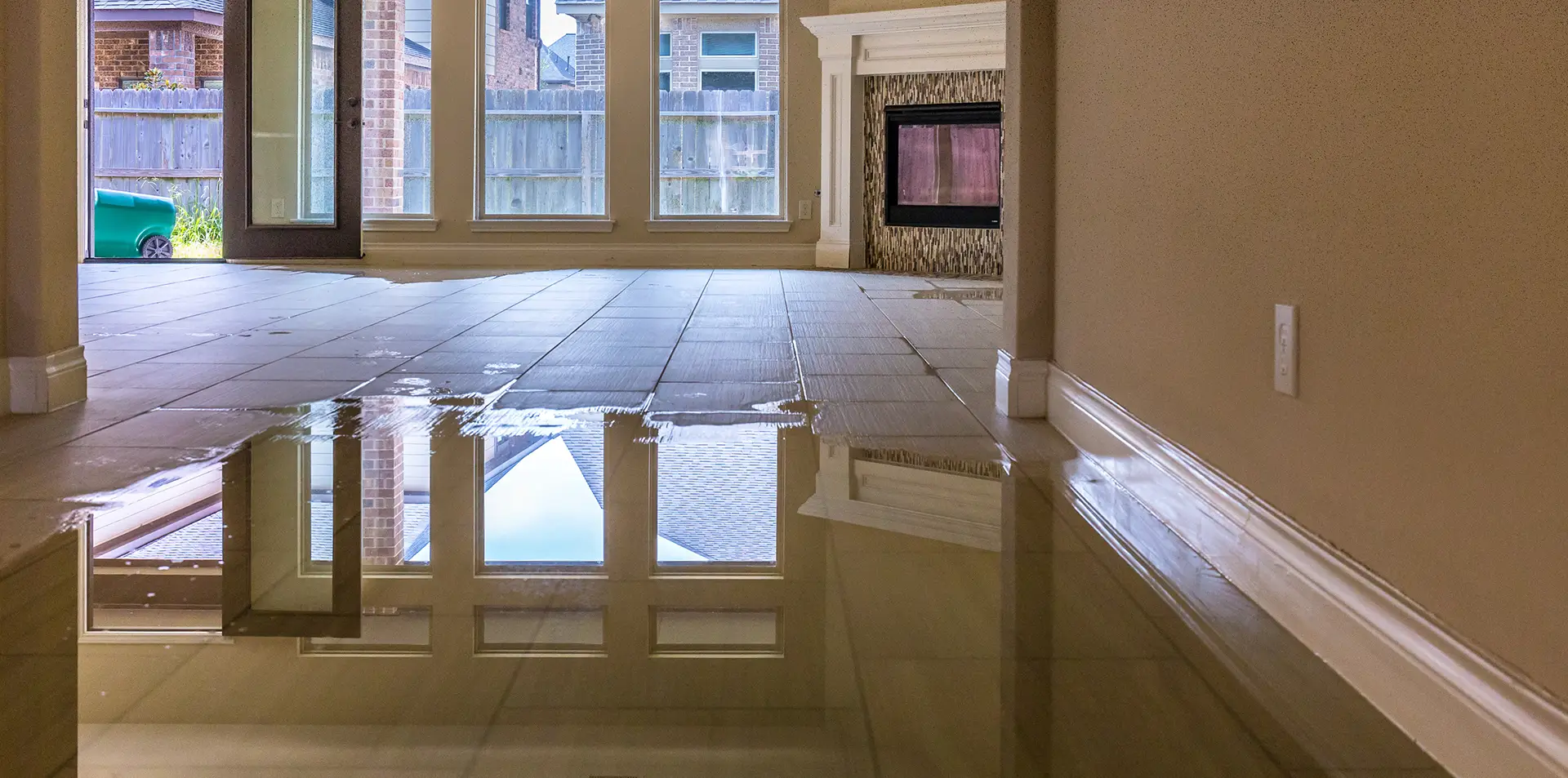
Storms in Pompano Beach can leave behind more than obvious roof leaks or standing water. Heavy rain, wind-driven moisture, and prolonged humidity often push water into walls, ceilings, floors, and insulation where it cannot be seen. Even when a home looks dry after cleanup, hidden moisture can continue causing damage for weeks or months.
Moisture detection after storm damage helps homeowners understand what is happening beneath the surface. It identifies hidden water early, guides proper drying and repairs, and plays a key role in preventing long-term issues in Pompano Beach homes.
Why Storm Damage Creates Hidden Moisture Problems
Storms rarely affect just one area of a home. Water can enter through roofs, windows, doors, exterior walls, and even small gaps in building materials.
Once inside, moisture often travels away from the entry point. It can move along framing, collect inside wall cavities, or spread under flooring before any visible signs appear.
High humidity in Pompano Beach slows natural drying. Even after rain stops, moisture remains active inside materials, increasing the risk of ongoing damage.
Because of this, storm damage is often more extensive than it first appears.
Common Places Moisture Hides After Storms
In Pompano Beach homes, wall cavities near exterior walls and windows are common moisture traps after wind-driven rain.
Attics frequently hold moisture from roof leaks. Wet insulation and roof decking can stay damp long after ceilings look normal.
Under flooring is another high-risk area. Tile, vinyl, and carpet can conceal moisture pressed against slab foundations.
HVAC systems may also be affected if storm moisture reaches air handlers, ductwork, or return plenums.
These areas require proper detection tools to evaluate accurately.
Early Warning Signs of Hidden Storm Moisture
A musty or damp odor that appears after a storm is often the first sign of hidden moisture.
Discoloration on ceilings or walls, even faint yellow or brown staining, may develop days after the storm.
Paint that bubbles, peels, or cracks following heavy rain often indicates moisture behind surfaces.
Rooms that feel humid, sticky, or slow to dry can also signal trapped water.
Moisture detection helps confirm whether these signs are linked to hidden damage.
Why Visual Inspections Are Not Enough
After storms, surfaces may dry quickly while moisture remains inside materials. Walls and floors can look perfectly normal even when water is still present.
Relying on sight alone often leads to missed problems and premature repairs.
Moisture detection uses specialized tools to measure water content inside drywall, flooring, ceilings, and insulation, providing accurate information that visual checks cannot.
This prevents guesswork and reduces the risk of future damage.
How Moisture Detection Works After Storm Damage
Moisture detection begins with a focused inspection of areas commonly affected by storm intrusion.
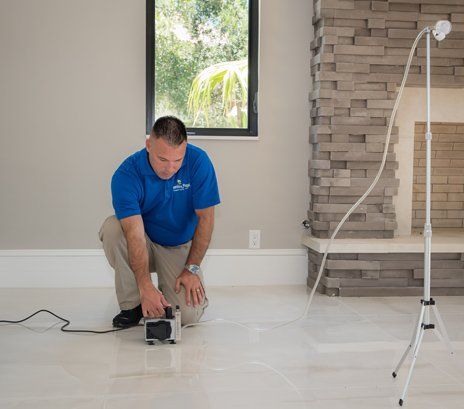
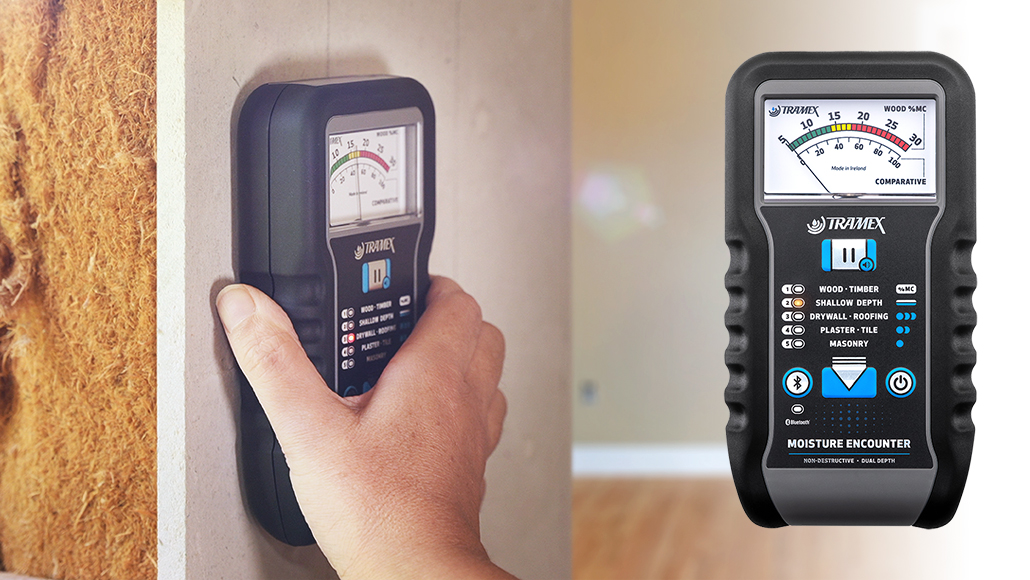
Moisture meters are used to check materials for elevated water content. These readings help determine how far water spread and whether drying is complete.
Thermal imaging may also be used to identify temperature differences caused by moisture evaporation, helping locate hidden damp areas.
The goal is to map moisture accurately so drying and repairs are targeted, not excessive.
Pompano Mold Inspection and Testing performs moisture detection in Pompano Beach homes after storms to identify hidden water and support proper recovery.
Moisture Detection and Proper Drying
Drying without moisture detection often leaves water behind. Fans and dehumidifiers may remove surface moisture while deeper areas remain wet.
Moisture detection confirms where drying equipment is needed and when drying is truly complete.
This step prevents sealing moisture inside walls or floors during repairs, which often leads to odors, material damage, and recurring issues.
Proper drying guided by detection protects the structure long-term.
Preventing Mold Through Early Moisture Detection
Mold depends on moisture. Hidden storm moisture creates ideal conditions for mold growth, especially in Pompano Beach’s humid climate.
Moisture detection helps locate wet areas before mold has time to develop.
By identifying and eliminating moisture early, homeowners significantly reduce the risk of mold-related problems after storms.
This makes moisture detection one of the most effective preventive tools available.
Moisture Detection After Water Removal and Cleanup
Even after water removal and cleanup, moisture detection remains important. Drying equipment may remove visible moisture while leaving dampness inside materials.
Detection confirms whether cleanup was successful and whether additional drying is needed.
This step helps avoid repeated damage and unnecessary repairs later.
HVAC Systems and Storm-Related Moisture
Storm moisture can affect HVAC systems directly or indirectly. High humidity, attic leaks, or water near air handlers can introduce moisture into ductwork.
Moisture detection often includes evaluating areas around HVAC components to ensure systems are not contributing to ongoing moisture problems.
Addressing HVAC-related moisture early helps prevent widespread indoor issues.
Practical Steps Homeowners Can Take After Storms
After storms, inspect ceilings, walls, and floors for any changes, even subtle ones.
Pay attention to new odors or humidity changes inside the home.
Avoid starting repairs until moisture levels are confirmed dry.
Schedule professional moisture detection if your home experienced wind-driven rain, roof exposure, or repeated storms.
Prompt action reduces long-term repair costs.
Why Local Experience Matters in Pompano Beach
Moisture behavior varies by location. Pompano Beach homes face specific challenges related to coastal humidity, storm patterns, and construction styles.
Local professionals understand where storm moisture typically hides and how it spreads in these homes.
Pompano Mold Inspection and Testing brings this local understanding to Pompano Beach, Lighthouse Point, Deerfield Beach, Fort Lauderdale, and surrounding Broward County areas.
A Smart Step After Storm Damage
Storm damage is not always visible, but its effects can last if hidden moisture is ignored. Moisture detection provides clarity, protects the structure, and supports proper recovery.
For Pompano Beach homeowners, early moisture detection after storms is one of the most reliable ways to prevent long-term damage and ensure the home truly dries out.
