How Moisture Detection Helps Homes in Pompano Beach in Commercial Buildings
Moisture problems are not limited to residential properties. Commercial buildings in Pompano Beach—such as offices, retail spaces, restaurants, and warehouses—often face even greater risks because of larger HVAC systems, heavy daily use, and complex plumbing layouts. When moisture develops in a commercial structure, it can spread quickly and affect walls, ceilings, flooring, and air systems before visible signs appear.
Moisture detection plays a critical role in identifying hidden dampness early, preventing mold growth, and protecting both property and indoor air quality. Understanding how moisture detection works and why it matters helps property owners and facility managers maintain safe and efficient buildings.
Why Moisture Problems Are Common in Commercial Buildings
Commercial properties in Pompano Beach and nearby areas such as Lighthouse Point, Margate, and Fort Lauderdale operate under conditions that increase the risk of moisture accumulation.
These factors include:
- Large HVAC systems running continuously
- Higher indoor humidity from foot traffic and equipment
- Roofing systems exposed to heavy rain and storms
- Plumbing systems serving multiple units or restrooms
- Flat roofs where water may pool
Because commercial buildings often have larger square footage, moisture can spread unnoticed in hidden areas if inspections are not performed regularly.
What Moisture Detection Is
Moisture detection is the process of locating hidden dampness in structural materials using specialized equipment. Unlike visual inspections alone, moisture detection identifies water intrusion that may not yet be visible.
Moisture detection helps determine:
- Whether water is present behind walls or ceilings
- How far moisture has spread
- Whether drying or repairs are needed
- The likely source of the moisture problem
Early detection allows building owners to correct problems before they escalate into major restoration projects.
Common Sources of Moisture in Commercial Buildings
Several issues frequently lead to moisture problems in commercial properties.
Roof Leaks and Storm Damage
Flat or low-slope roofs are common in commercial buildings. After storms, water may enter through seams, flashing, or drainage points.
HVAC Condensation
Large air-conditioning systems produce significant condensation. If drain lines clog or ducts develop condensation, moisture can accumulate inside ceilings or mechanical rooms.
Plumbing Leaks
Restrooms, kitchens, and utility areas often contain multiple plumbing connections, increasing the likelihood of leaks.
Poor Ventilation
Commercial spaces with limited airflow can trap humidity, especially in storage areas or mechanical rooms.
Water Intrusion Through Windows or Doors
Wind-driven rain can enter through poorly sealed windows or entrances during severe weather.
Early Signs Moisture May Be Present
Moisture problems often begin quietly, but building managers may notice warning signs such as:
- Musty odors in certain rooms or hallways
- Water stains on ceilings or walls
- Warped baseboards or flooring
- Peeling paint or bubbling drywall
- Increased indoor humidity
These signs often indicate moisture trapped inside structural materials.
Hidden Areas Where Moisture Often Develops
In commercial buildings, moisture frequently accumulates in areas that are not easily visible.
Common hidden locations include:
- Above drop ceilings
- Inside wall cavities
- Beneath flooring or carpets
- Around rooftop HVAC units
- Inside ductwork and insulation
Because these spaces are enclosed, moisture may remain undetected for long periods without professional inspection.
How Professional Moisture Detection Works
Moisture detection in commercial buildings typically follows a structured process.
Step 1: Initial Inspection
Technicians inspect areas most vulnerable to moisture, including ceilings, mechanical rooms, and plumbing areas.
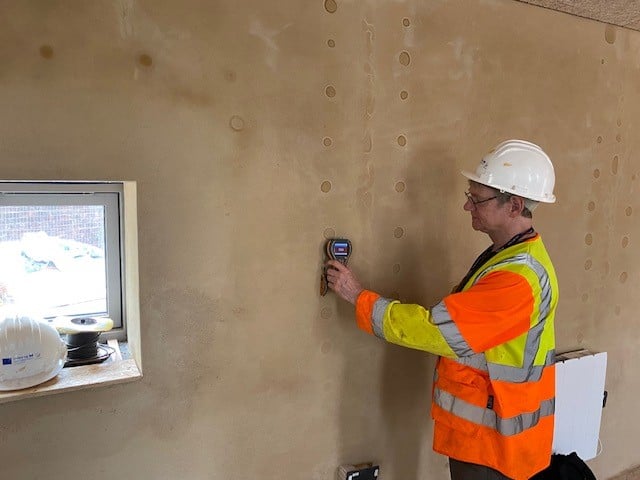
Step 2: Moisture Meter Testing
Moisture meters are used to measure dampness in drywall, flooring, and wood framing.
Step 3: Thermal Imaging
Infrared cameras help identify hidden moisture by detecting temperature differences behind walls or ceilings.
Step 4: Source Identification
Once moisture is located, technicians determine whether the cause is a leak, condensation, or ventilation issue.
Companies such as Pompano Mold Inspection and Testing often assist commercial property owners in Pompano Beach by locating hidden moisture and recommending effective solutions.
Why Moisture Detection Matters for Commercial Properties
Moisture detection provides several key benefits for commercial buildings.
Prevents Mold Growth
Mold can develop quickly in humid environments, especially in ceiling cavities or duct systems.
Protects Structural Materials
Moisture can weaken drywall, insulation, and structural framing over time.
Maintains Indoor Air Quality
Reducing moisture helps prevent odors and airborne contaminants.
Reduces Business Disruptions
Early detection prevents large-scale repairs that could interrupt business operations.
Structural Drying and Moisture Control Solutions
If moisture is detected, several solutions may be recommended depending on the cause and severity.
These may include:
- Structural drying with air movers and dehumidifiers
- Repairing roof or plumbing leaks
- Cleaning and maintaining HVAC drain lines
- Improving ventilation
- Inspecting and drying duct systems
These steps help restore safe moisture levels and prevent future problems.
Mold Risks in Commercial Buildings
Moisture problems in commercial buildings often lead to mold growth if not addressed promptly. Mold can spread behind walls, inside ceiling spaces, or in duct systems.
Moisture detection helps prevent:
- Mold remediation costs
- Damage to interior finishes
- Indoor air quality complaints
- Odors affecting occupants or customers
Early detection significantly reduces these risks.
HVAC Systems and Moisture Control
Large HVAC systems in commercial buildings play a major role in moisture management. However, they can also contribute to moisture problems if not maintained properly.
Signs of HVAC-related moisture issues include:
- Condensation near vents or ductwork
- Musty odors when the system operates
- Uneven cooling or humidity levels
Regular inspection and maintenance help prevent these problems.
Practical Prevention Tips for Property Owners
Commercial property owners in Pompano Beach can reduce the risk of moisture problems by following practical steps:
- Inspect roofs and drainage systems regularly
- Maintain HVAC systems and condensate lines
- Check plumbing fixtures and connections periodically
- Monitor indoor humidity levels
- Schedule routine moisture inspections
Preventive maintenance helps detect small problems before they become serious.
Why Local Experience Matters
Moisture detection in coastal South Florida requires understanding regional climate conditions and building practices. Professionals familiar with Pompano Beach understand:
- How humidity affects large buildings
- Common roof and HVAC issues in commercial properties
- Moisture behavior in warm, coastal climates
- Proper drying techniques for humid environments
This knowledge helps ensure inspections and solutions are effective.
A Practical Next Step for Property Owners
Moisture problems in commercial buildings often begin quietly but can lead to significant damage if ignored. Scheduling a professional moisture inspection when early signs appear helps protect structural materials, maintain indoor air quality, and prevent costly repairs.
Commercial property owners and facility managers in Pompano Beach often rely on experienced local providers such as Pompano Mold Inspection and Testing to locate hidden moisture, perform structural drying, and restore buildings safely. Acting early helps keep commercial spaces safe, functional, and well-maintained year-round.