How Mold Inspection Helps Homes in Deerfield Beach in Older Homes
Older homes in Deerfield Beach have a unique charm, but they also present specific challenges when it comes to moisture and mold. Over time, building materials age, ventilation systems may become less efficient, and small leaks or humidity problems can go unnoticed. These conditions create an environment where mold can develop quietly, often in hidden areas.
Mold inspection plays an important role in identifying these issues early. A thorough inspection helps homeowners understand the condition of their property, locate moisture sources, and prevent damage before it becomes more serious.
What Mold Inspection Really Means
Mold inspection is a detailed process designed to locate moisture problems and identify areas where mold may be growing. It involves more than simply looking for visible mold on walls or ceilings. Inspectors evaluate the entire home, including areas that are often overlooked.
A professional inspection typically focuses on:
- Identifying moisture sources
- Checking high-risk areas such as attics and crawl spaces
- Measuring humidity levels
- Examining HVAC systems and ductwork
- Detecting hidden mold growth behind surfaces
This process helps homeowners understand the full scope of any mold-related concerns.
Why Older Homes in Deerfield Beach Are More Vulnerable
Older homes often have features that increase the risk of mold growth. Over time, roofing materials, plumbing connections, and window seals can deteriorate, allowing small amounts of water to enter the structure.
In Deerfield Beach, environmental conditions also play a major role. High humidity, coastal air, and heavy seasonal rains create a constant source of moisture. Older insulation and ventilation systems may not handle these conditions as effectively as modern designs.
Additional factors that increase risk in older homes include:
- Aging roofs and flashing
- Outdated ventilation systems
- Settling foundations that allow moisture intrusion
- Older duct systems with worn insulation
- Plumbing systems that develop slow leaks
Homes in nearby communities such as Pompano Beach, Lighthouse Point, and Coconut Creek often face similar challenges, particularly when properties are several decades old.
Common Signs Homeowners Notice
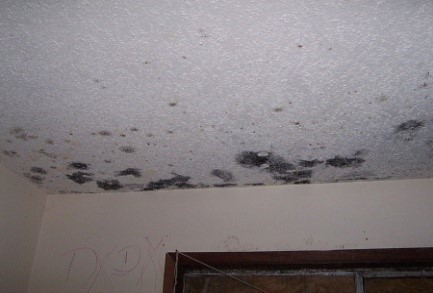
Mold problems often begin subtly. Many homeowners first notice small warning signs rather than obvious mold growth.
Typical signs include:
- Musty or earthy odors
- Discoloration on walls or ceilings
- Peeling paint or bubbling drywall
- Persistent humidity indoors
- Dark spots near vents or baseboards
These signs may indicate hidden moisture, even if mold is not yet visible.
Hidden Mold in Older Homes
One of the biggest concerns in older homes is hidden mold. Mold can grow in areas that are rarely inspected, including:
- Behind drywall
- Under flooring
- Inside attic insulation
- Around window frames
- Inside duct systems
Because mold often develops in concealed areas, homeowners may not realize there is a problem until odors or damage become noticeable.
Why DIY Mold Checks Are Often Incomplete
Homeowners sometimes attempt to inspect for mold themselves, but visual checks alone rarely identify hidden problems. Mold growth may occur behind walls or inside insulation where it cannot be seen without specialized tools.
Professional inspections use moisture meters, infrared imaging, and other techniques to locate damp areas that are not visible. These tools help identify problems before they spread.
What Happens During a Professional Mold Inspection
A professional mold inspection follows a systematic process to ensure all potential problem areas are evaluated.
This process often includes:
- Visual Assessment
Inspectors check ceilings, walls, floors, and attic spaces for signs of moisture or mold. - Moisture Detection
Moisture meters are used to locate damp materials inside walls or ceilings. - Humidity Evaluation
Indoor humidity levels are measured to determine whether conditions support mold growth. - HVAC and Duct Inspection
Air ducts and AC systems are checked for condensation or contamination.
Professionals experienced in Broward County homes understand how local humidity and coastal weather patterns affect older structures. Specialists familiar with the region, including teams such as Pompano Mold Inspection and Testing, often identify recurring moisture patterns that help pinpoint problems quickly.
How Mold Inspection Helps Prevent Major Damage
Early detection is one of the biggest benefits of mold inspection. Identifying moisture problems early helps prevent structural damage and reduces the need for extensive remediation later.
Mold inspection helps homeowners:
- Locate hidden leaks
- Identify ventilation problems
- Detect mold growth in early stages
- Prevent damage to drywall, insulation, and wood
- Maintain indoor air quality
These benefits help protect both the home and long-term maintenance costs.
Mold Removal and Remediation After Inspection
If mold is discovered during an inspection, removal and remediation may be necessary. The remediation process focuses on safely removing contaminated materials, cleaning affected surfaces, and correcting the moisture source.
Typical steps include:
- Containing affected areas
- Removing damaged materials when necessary
- Cleaning and drying surfaces
- Addressing the source of moisture
This approach prevents mold from returning and helps restore safe indoor conditions.
Water Damage and Moisture Control
In many cases, mold growth in older homes is linked to past or ongoing water damage. Roof leaks, plumbing issues, or poor drainage may allow moisture to persist in structural materials.
Water damage repair may involve:
- Structural drying
- Insulation replacement
- Ceiling or drywall repair
- Cleaning and odor removal
Addressing moisture problems is essential to preventing mold from returning.
Air Ducts and Indoor Air Quality
Older homes often have duct systems that accumulate dust and moisture over time. When ducts become damp, they may contribute to odors or reduced indoor air quality.
Duct inspection and cleaning can help improve airflow and reduce the spread of airborne particles, especially in humid climates like Deerfield Beach.
Preventing Mold in Older Homes
Homeowners can take practical steps to reduce the risk of mold growth:
- Inspect roofs and plumbing regularly
- Maintain proper attic ventilation
- Replace aging insulation when necessary
- Monitor indoor humidity levels
- Address small leaks promptly
- Schedule periodic mold inspections
Routine maintenance is one of the most effective ways to protect older homes.
Why Local Experience Matters
Mold inspection in coastal South Florida requires an understanding of climate, building materials, and common moisture patterns. Older homes in Deerfield Beach behave differently from newer construction or homes in dry climates.
Professionals with local experience understand:
- How humidity affects aging materials
- Where leaks commonly occur in older roofs
- How attic ventilation impacts moisture levels
- How storms increase the risk of water intrusion
This knowledge helps ensure inspections are thorough and accurate.
A Practical Approach for Homeowners
Older homes in Deerfield Beach require careful maintenance, and mold inspection is an important part of protecting these properties. Identifying moisture problems early, correcting ventilation issues, and addressing leaks promptly help prevent costly repairs and preserve the structure of the home.
Homeowners who schedule inspections and respond quickly to warning signs can maintain healthier indoor conditions and avoid long-term damage. When professional evaluation is needed, experienced local specialists such as Pompano Mold Inspection and Testing can help identify hidden moisture issues and recommend practical solutions tailored to older homes in Deerfield Beach and surrounding Broward County communities.
Images