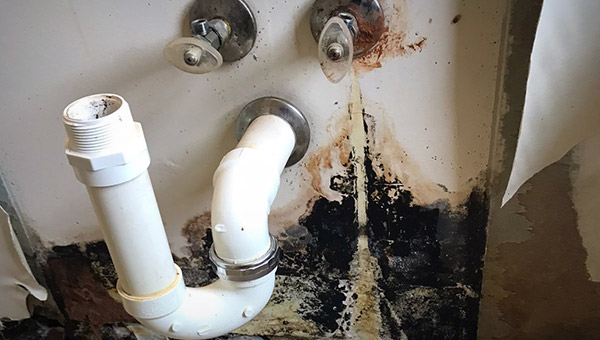
How Mold Inspection Helps Homes in Lighthouse Point after plumbing leaks
Plumbing leaks are one of the most common causes of hidden mold problems in Lighthouse Point homes. Even a slow drip from a supply line, a loose drain connection, or a small pipe crack can allow moisture to spread into walls, cabinets, flooring, and slab foundations. In South Florida’s humid climate, that trapped moisture creates ideal conditions for mold growth long before homeowners realize there is a problem. Mold inspection helps identify these issues early, limit damage, and guide proper cleanup after plumbing leaks.
Homeowners, landlords, and property managers in Lighthouse Point, along with nearby communities such as Pompano Beach, Deerfield Beach, Margate, Coconut Creek, North Lauderdale, Lauderdale-by-the-Sea, and Fort Lauderdale, benefit from understanding how mold inspection protects homes after plumbing-related water damage.
What the Mold Issue Is After Plumbing Leaks
Plumbing leaks introduce water into areas of the home that are not designed to get wet. When moisture becomes trapped behind drywall, under flooring, or inside cabinets, it may not dry naturally. Over time, this damp environment allows mold to develop on wood, drywall, insulation, and other building materials.
Mold growth caused by plumbing leaks often remains hidden, spreading quietly until odors, staining, or air quality issues appear. Mold inspection is the process of locating that hidden moisture and identifying whether mold has started to grow as a result.
Why Plumbing-Related Mold Is Common in Lighthouse Point
Several local factors make Lighthouse Point homes especially vulnerable to mold after plumbing leaks:
- High humidity that slows drying and keeps materials damp
- Warm temperatures year-round that support mold growth
- Slab foundations that trap moisture beneath flooring
- Older plumbing systems in established neighborhoods
- Cabinetry and wall designs that conceal small leaks
Even newer homes can experience mold issues if plumbing leaks go unnoticed for extended periods.
Common Signs Homeowners Notice After a Leak
After a plumbing leak, homeowners may notice subtle warning signs that suggest mold inspection is needed:
- Musty or earthy odors near kitchens, bathrooms, or laundry rooms
- Staining or discoloration on walls, ceilings, or baseboards
- Soft or bubbling drywall near plumbing fixtures
- Warped flooring or loose tiles
- Persistent humidity in one area of the home
- Visible mold inside cabinets or under sinks
These signs often appear weeks or months after the initial leak, making inspection especially important.
Hidden or Overlooked Sources of Mold
Plumbing leaks can affect areas that are rarely visible during daily routines. Mold inspection often uncovers problems in places such as:
- Inside wall cavities behind sinks, showers, and toilets
- Beneath kitchen and bathroom cabinets
- Under flooring near plumbing lines
- Behind baseboards and trim
- Ceiling cavities below upstairs bathrooms
- Around pipe penetrations through walls and slabs
Without professional inspection tools, these areas are easy to overlook.
Why DIY Mold Removal Usually Fails
Homeowners sometimes try to clean visible mold or dry affected areas after a plumbing leak, but DIY efforts often fall short. Surface cleaning does not address mold growing behind walls or under floors, and incomplete drying allows mold to return.
DIY approaches often fail because:
- Hidden mold remains undetected
- Moisture sources are not fully identified
- Household cleaners do not remove embedded mold
- Improper drying spreads spores through the air
Professional mold inspection ensures the full extent of the problem is identified before any removal begins.
Professional Mold Inspection and Testing Explained
Professional mold inspection after plumbing leaks is a structured process designed to locate both moisture and mold. It typically includes:
- A detailed visual inspection of plumbing areas and surrounding materials
- Moisture detection using meters and thermal imaging
- Air or surface sampling when necessary to confirm mold presence
- Identification of affected and unaffected areas
- Clear documentation of findings and recommended next steps
Local specialists such as Pompano Mold Inspection and Testing perform mold inspections tailored to Lighthouse Point homes and plumbing-related water issues.
Proper Mold Removal and Remediation Process
Mold inspection provides the roadmap for safe and effective remediation. Based on inspection results, proper mold removal may include:
- Isolating affected areas to prevent spore spread
- Removing contaminated materials when necessary
- Thorough cleaning and mold treatment of salvageable surfaces
- Drying and dehumidification to eliminate moisture
- Addressing the original plumbing issue to prevent recurrence
Targeted remediation based on inspection results helps avoid unnecessary demolition while ensuring mold is properly addressed.
Flood Restoration and Water Damage Repair Considerations
Although plumbing leaks are often smaller than floods, they can still require water damage repair. Mold inspection helps determine whether water removal, drying, or structural repairs are needed in addition to mold remediation.
In some cases, water damage repair may involve:
- Drying subfloors or wall framing
- Repairing damaged drywall or cabinetry
- Addressing moisture trapped beneath flooring
- Ensuring plumbing repairs fully resolved the leak
Inspection ensures no moisture-related issues are left behind.
Air Ducts, AC Systems, and Mold After Plumbing Leaks
Plumbing leaks near air handlers or ductwork can introduce moisture into HVAC systems. Mold inspection checks whether moisture has affected air ducts, coils, or drip pans, which can spread mold spores throughout the home.
Identifying HVAC-related moisture early helps protect indoor air quality and prevent wider contamination.
How to Prevent Mold After Plumbing Leaks
Homeowners in Lighthouse Point can reduce future mold risk by:
- Regularly checking under sinks and behind appliances
- Maintaining plumbing and replacing aging pipes
- Monitoring water pressure to reduce pipe stress
- Keeping bathrooms and kitchens well ventilated
- Addressing leaks immediately, even small ones
- Scheduling moisture or mold inspections in older homes
Prevention starts with early detection and proper repairs.
Why Local Experience Matters
Homes in Lighthouse Point face unique challenges due to coastal humidity, construction styles, and aging plumbing systems. Professionals familiar with Lighthouse Point, Pompano Beach, Deerfield Beach, Margate, Coconut Creek, North Lauderdale, Lauderdale-by-the-Sea, and Fort Lauderdale understand where plumbing leaks commonly cause hidden mold and how moisture behaves in South Florida homes.
Local experience leads to more accurate inspections and practical solutions.
A Calm, Trust-Based Next Step
Mold inspection plays a critical role in protecting Lighthouse Point homes after plumbing leaks. By identifying hidden moisture and mold early, homeowners can prevent further damage, protect indoor air quality, and make informed decisions about remediation and repairs.
Working with a trusted local provider like Pompano Mold Inspection and Testing ensures plumbing-related mold concerns are handled carefully, accurately, and with long-term home protection in mind.