How Mold Inspection Helps Homes in Pompano Beach During the Rainy Season
The rainy season in Pompano Beach brings relief from the heat, but it also creates ideal conditions for moisture problems inside homes. Frequent storms, high humidity, and wind-driven rain can introduce water into areas that are not always visible. When moisture remains trapped, mold can begin to grow in as little as a few days. Mold inspection during the rainy season helps homeowners detect hidden moisture early, prevent structural damage, and maintain a safe indoor environment.
What Happens to Homes During the Rainy Season
During extended periods of rain, moisture levels in the air rise significantly. Even homes that are well maintained may experience increased indoor humidity. Rainwater can enter buildings through:
- Minor roof leaks
- Window or door seals
- Attic vents exposed to wind-driven rain
- Plumbing areas affected by humidity
- Air conditioning systems working harder than usual
Because materials like drywall, insulation, and wood absorb moisture easily, damp conditions can develop quickly without obvious signs.
Why Mold Growth Is Common in Pompano Beach During Rainy Months
Several local factors make mold growth more likely during the rainy season in Pompano Beach:
- High humidity levels that slow drying
- Frequent afternoon storms
- Warm temperatures that support mold growth
- AC systems running continuously, producing condensation
- Limited airflow in attics and closets
Even small amounts of moisture can create conditions where mold spores begin to grow.
Common Signs Homeowners Notice
Mold problems often begin with subtle warning signs that appear during or after extended rainy periods. Homeowners may notice:
- A musty or damp odor in certain rooms
- Condensation forming on windows or vents
- Small dark spots on walls or ceilings
- Warped baseboards or trim
- Damp closets or storage areas
These signs often indicate elevated humidity or hidden moisture inside building materials.
Hidden Areas Where Mold Develops First
Mold does not always grow in visible areas. In Pompano Beach homes, inspections frequently reveal mold in locations such as:
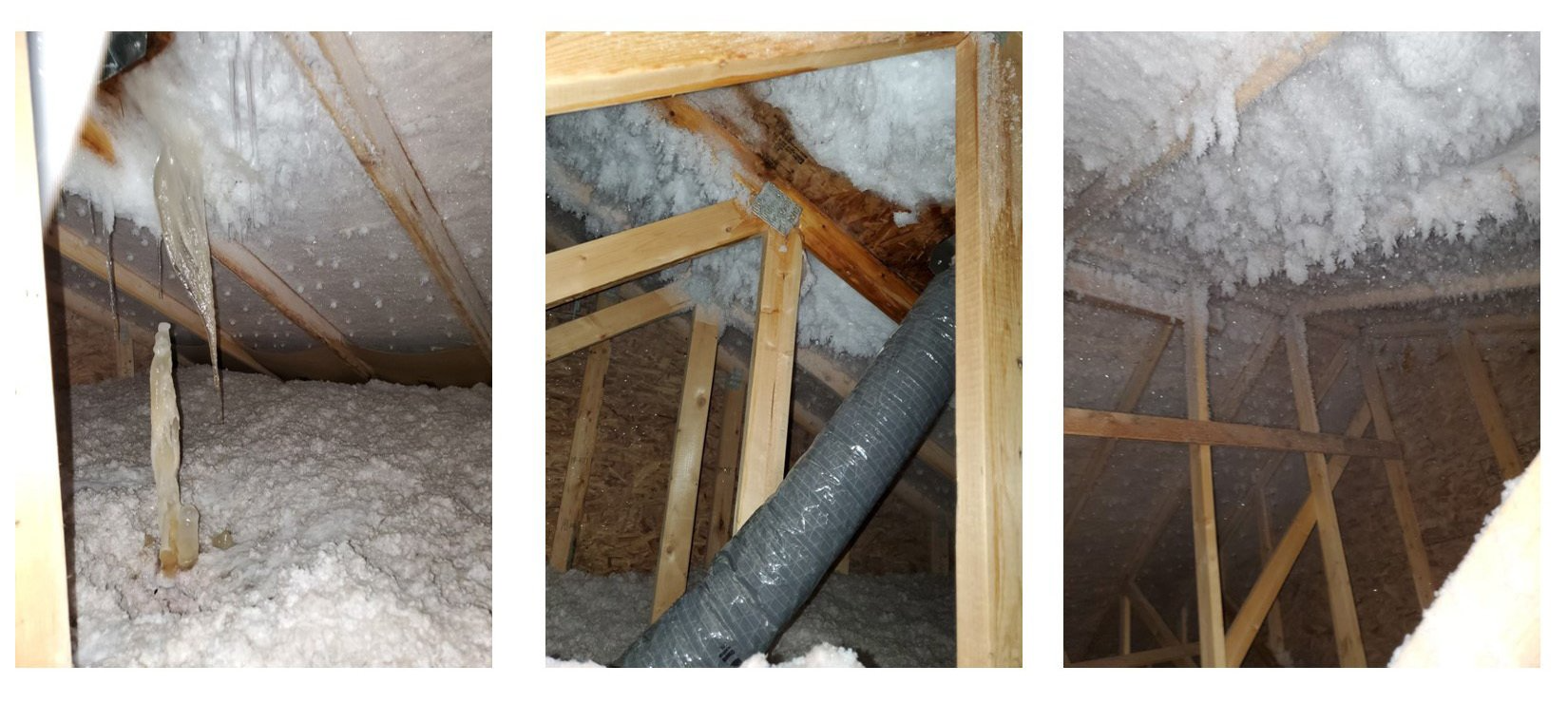
- Attic insulation and roof decking
- Inside wall cavities near exterior walls
- Behind cabinets or appliances
- Beneath flooring or carpet padding
- Inside HVAC ducts or air handler closets
Because these areas are not part of daily living spaces, mold growth may go unnoticed for weeks.
Why DIY Mold Checks Often Miss Problems
Homeowners sometimes look for visible mold or rely on basic humidity readings, but these methods may not detect hidden moisture. Mold growth often begins inside materials where it cannot be seen.
DIY inspections may miss:
- Moisture trapped behind drywall
- Damp insulation in attics
- Condensation inside ductwork
- Slow leaks from plumbing or roofing
Professional inspections use specialized tools that provide a more complete picture of indoor conditions.
Professional Mold Inspection Explained
A mold inspection during the rainy season is designed to locate moisture before mold spreads. In Pompano Beach homes, inspectors typically follow a systematic process:
- Conduct a visual inspection of the home
- Measure humidity levels in multiple rooms
- Use moisture meters to detect hidden dampness
- Inspect attics, ducts, and HVAC systems
- Identify areas vulnerable to rainwater intrusion
Pompano Mold Inspection and Testing often performs these inspections in Pompano Beach and nearby communities, helping homeowners identify moisture problems early and prevent larger repairs.
What Happens If Mold Is Found
If mold growth is discovered, remediation may be recommended to restore safe indoor conditions. Proper remediation focuses on both removal and prevention.
Typical steps include:
- Containing affected areas
- Removing damaged materials when necessary
- Cleaning and sanitizing surfaces
- Drying structural components
- Stabilizing indoor humidity
Correcting the moisture source is essential to prevent mold from returning.
Flood Restoration and Water Damage Repair During Rainy Season
Heavy rain sometimes leads to water intrusion or minor flooding. Restoration may involve:
- Water extraction
- Structural drying with air movers
- Dehumidification
- Repairing drywall or flooring
- Monitoring moisture levels
These steps help ensure that damp materials are fully dried before repairs are completed.
Air Ducts, AC Systems, and Rainy Season Moisture
Air conditioning systems play a major role in controlling humidity during the rainy season. When drain lines clog or ducts collect moisture, indoor air quality may decline.
Moisture in HVAC systems can lead to:
- Musty odors circulating through vents
- Mold growth in duct insulation
- Reduced cooling efficiency
Regular inspection and maintenance help keep systems working properly during humid months.
How Homeowners Can Reduce Mold Risk During Rainy Season
Preventive maintenance can significantly reduce the risk of mold growth. Homeowners in Pompano Beach can take practical steps such as:
- Inspecting roofs and attic spaces regularly
- Keeping gutters and drainage systems clear
- Running dehumidifiers during periods of high humidity
- Replacing HVAC filters regularly
- Repairing leaks promptly
Quick response to moisture problems is one of the most effective ways to prevent mold.
Why Local Experience Matters
Homes in Pompano Beach are exposed to environmental conditions that differ from other regions. Professionals familiar with Broward County understand:
- How coastal humidity affects building materials
- Typical roofing and ventilation designs in local homes
- Common moisture patterns during rainy season storms
This local experience helps inspectors identify problems more accurately and recommend effective solutions.
A Practical Next Step for Homeowners
The rainy season is the time when hidden moisture problems are most likely to develop. Mold inspection helps homeowners identify early warning signs, correct moisture sources, and prevent long-term damage.
By scheduling inspections, maintaining HVAC systems, and monitoring humidity levels, homeowners in Pompano Beach can keep their homes dry, comfortable, and protected throughout the rainy months.