
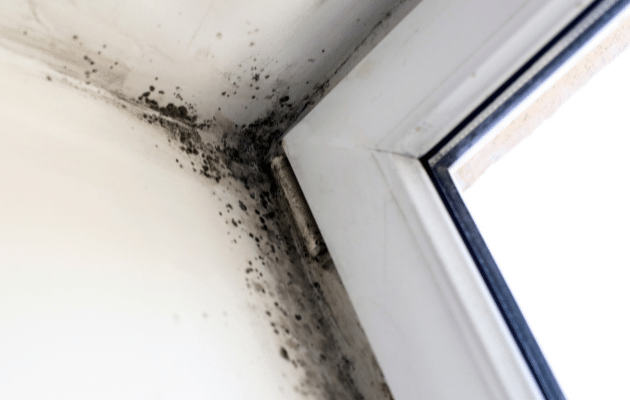
How Mold Removal Helps Homes in Fort Lauderdale from AC Condensation
In Fort Lauderdale, air conditioning isn’t a luxury—it’s a necessity. Systems often run day and night to keep homes comfortable through heat and humidity that barely let up all year. But while AC keeps indoor temperatures under control, it also creates one of the most common and underestimated causes of mold growth in South Florida homes: AC condensation.
Unlike flooding or major leaks, condensation-related mold problems develop slowly. Water doesn’t rush across floors or drip dramatically from ceilings. Instead, moisture quietly escapes from air handlers, drain pans, ductwork, or poorly insulated components, soaking into drywall, flooring, insulation, and surrounding materials. By the time mold becomes visible or odors appear, the problem has often been present for weeks or months.
This is where proper mold removal plays a critical role. Mold removal after AC condensation isn’t just about cleaning visible growth—it’s about addressing hidden moisture damage, protecting indoor air quality, and preventing the issue from returning. This guide explains how AC condensation leads to mold in Fort Lauderdale homes, the warning signs homeowners should watch for, and how professional mold removal helps restore and protect the home.
Why AC Condensation Is a Major Mold Trigger in Fort Lauderdale
Air conditioners remove moisture from the air as part of normal operation. That moisture is supposed to drain safely away through a condensate system. When anything in that system fails, water has to go somewhere—and in many homes, it ends up where it shouldn’t.
Common AC condensation problems include:
- Clogged or slow condensate drain lines
- Overflowing or cracked drain pans
- Frozen evaporator coils that thaw and release water
- Poor insulation around air handlers or ducts
- Improper system installation or slope
In Fort Lauderdale’s humid climate, AC systems generate large volumes of condensation. Even a small drainage issue can release enough water to saturate nearby materials over time.
Why Fort Lauderdale Homes Are Especially Vulnerable
Fort Lauderdale homes face a unique combination of conditions that make AC condensation-related mold more likely.
Local risk factors include:
- High humidity year-round
- Long AC run times
- Air handlers located in closets, garages, or attics
- Ductwork running through hot attic spaces
- Older HVAC systems or aging components
Because AC systems rarely shut off for long, condensation problems don’t get a break. Moisture continues feeding mold growth until it’s properly addressed.
Early Warning Signs of Mold from AC Condensation
One of the biggest challenges with AC-related mold is how subtle the early signs can be. Homeowners often dismiss them as temporary or unrelated issues.
Musty Odors Near AC Areas
A damp, musty smell near air handler closets, vents, or nearby rooms is often one of the first signs of mold growth caused by condensation.
Staining or Discoloration
Yellow, brown, or dark stains on walls, ceilings, or baseboards near AC units can indicate ongoing moisture exposure.
Peeling Paint or Bubbling Drywall
Moisture trapped behind walls causes materials to swell and separate, often alongside mold growth.
Increased Indoor Humidity
If your home feels humid despite the AC running normally, moisture trapped in materials may be releasing humidity back into the air.
Allergy-Like Symptoms Indoors
Some homeowners notice irritation or discomfort indoors that improves when they leave the house, especially after condensation issues.
Ignoring these signs allows mold to spread further into hidden areas.
Where Mold Commonly Grows After AC Condensation
AC condensation doesn’t usually affect just one spot. Mold often develops in multiple connected areas, including:
- Inside air handler cabinets
- Around condensate drain lines
- On drywall behind AC closets
- Inside wall cavities near ductwork
- On duct insulation exposed to moisture
- Beneath flooring near AC units
Because much of this growth is hidden, mold can spread extensively before becoming obvious.
Why Fixing the AC Alone Is Not Enough
Repairing the AC system is essential—but it only stops new moisture from being produced. It does not remove mold or moisture that already exists.
Common mistakes homeowners make include:
- Fixing the drain line but ignoring wet materials
- Painting over stains without moisture testing
- Replacing AC components without addressing mold
- Assuming drying happens naturally
Mold removal addresses the aftermath of the condensation problem, not just the source.
How Professional Mold Removal Helps After AC Condensation
Mold removal after AC condensation follows a structured, moisture-focused process designed to eliminate mold and prevent recurrence.
Inspection and Moisture Detection
The process begins with a detailed inspection of AC systems, surrounding walls, ceilings, and floors. Moisture detection tools identify damp materials even when surfaces appear dry.
Containment and Air Control
Containment prevents mold particles from spreading to unaffected areas during removal. HEPA filtration may be used to maintain clean indoor air.
Removal of Mold-Affected Materials
Materials that cannot be safely cleaned—such as heavily contaminated drywall or insulation—are removed to eliminate the source of mold.
Cleaning and Treatment
Remaining surfaces are carefully cleaned and treated to remove residual mold and reduce the risk of regrowth.
Moisture Correction and Verification
Drying and dehumidification ensure materials return to safe moisture levels. This step confirms that mold-friendly conditions no longer exist.
The Role of Water Removal in AC-Related Mold Cases
AC condensation often involves more water than homeowners realize. Water removal plays a key role in mold prevention by extracting trapped moisture from affected materials.
Water removal helps by:
- Drying wall cavities and flooring
- Preventing moisture migration
- Reducing indoor humidity
- Supporting long-term mold prevention
Without proper water removal, mold removal alone becomes a temporary fix.
HVAC Systems and Mold Spread
When mold develops near AC systems, it can spread through airflow if not addressed properly.
Common HVAC-related risks include:
- Mold inside air handlers
- Contaminated duct insulation
- Condensation inside ductwork
- Musty odors distributed through vents
In these cases, mold removal may include inspecting air ducts and recommending air duct cleaning or AC moisture repairs to stop cross-contamination.
Why DIY Mold Cleaning Often Fails
Store-bought cleaners and surface scrubbing rarely solve AC-related mold problems.
DIY approaches fail because:
- Mold often grows behind walls or inside systems
- Moisture sources remain untreated
- Spores spread during improper cleaning
- There’s no verification that materials are dry
Professional mold removal focuses on containment, moisture control, and long-term prevention.
Preventing Mold from AC Condensation in Fort Lauderdale Homes
Homeowners can significantly reduce mold risk with proactive steps.
Helpful prevention measures include:
- Scheduling regular AC maintenance
- Clearing condensate drain lines
- Inspecting air handler areas periodically
- Monitoring indoor humidity levels
- Addressing musty odors immediately
- Avoiding ignoring minor water staining
Early action often prevents small condensation issues from turning into full mold remediation projects.
Why Local Experience Matters in Fort Lauderdale
AC condensation-related mold problems in Fort Lauderdale are shaped by local humidity levels, home designs, and HVAC usage patterns. Professionals familiar with the area understand where condensation issues typically appear and how mold spreads in South Florida homes.
Teams serving Fort Lauderdale, Pompano Beach, Lighthouse Point, Deerfield Beach, Margate, Coconut Creek, North Lauderdale, and Lauderdale-by-the-Sea recognize these patterns quickly. Pompano Mold Inspection and Testing applies this local experience to mold removal projects, focusing on accurate detection and moisture control rather than surface-level fixes.
A Practical, Homeowner-Focused Next Step
If your Fort Lauderdale home has experienced AC condensation issues—whether through musty odors, stains, or unexplained humidity—mold removal may be a necessary step to protect your home.
Professional mold removal doesn’t just address what you can see. It removes hidden growth, dries affected materials, and helps prevent the problem from returning. In Fort Lauderdale’s humid environment, addressing AC condensation early is one of the most effective ways to protect indoor air quality and avoid costly repairs later.
