
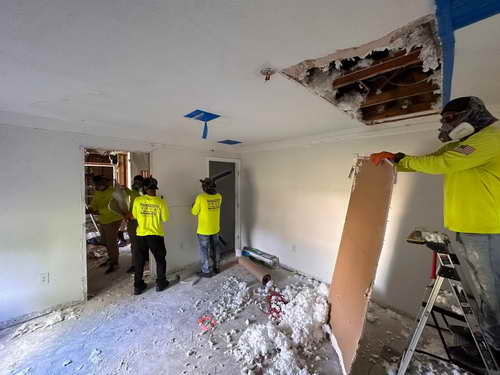
How Mold Removal Helps Homes in Fort Lauderdale in Older Homes
Older homes in Fort Lauderdale have character, solid construction, and long histories—but they also face unique challenges when it comes to moisture and mold. Built decades ago, many of these homes were not designed for today’s constant air conditioning, rising humidity levels, or modern living patterns. As a result, mold issues are more common in older properties and often more complex.
Mold removal in older Fort Lauderdale homes is not just about cleaning visible growth. It plays a key role in protecting original materials, stabilizing moisture conditions, and preserving the structure for years to come.
Why Older Homes in Fort Lauderdale Are More Prone to Mold
Older homes were built with different materials and construction methods. Plaster walls, original wood framing, and outdated insulation absorb and hold moisture differently than modern materials.
Many older Fort Lauderdale homes have aging roofs, windows, or exterior seals that allow small amounts of water intrusion during storms. Combined with high humidity and limited ventilation, moisture can remain trapped inside walls, ceilings, and crawl spaces for long periods.
These conditions create an ideal environment for mold to develop quietly over time.
Common Moisture Sources in Older Homes
Plumbing systems in older homes are a frequent source of moisture. Aging pipes, corroded fittings, and outdated supply lines can leak slowly, often behind walls or under floors.
Air conditioning systems added years after construction may not integrate well with the original structure. Improper drainage, sweating ducts, and poorly insulated air handlers contribute to condensation issues.
Storm-related water intrusion through older roofs, windows, and doors also plays a major role, especially during South Florida’s rainy season.
Areas Where Mold Is Often Found in Older Properties
In Fort Lauderdale’s older homes, mold frequently develops in less obvious areas. Wall cavities behind plaster or paneling can hide moisture without visible staining.
Bathrooms and kitchens with limited ventilation are common problem spots. Attics may trap moisture from minor roof seepage combined with poor airflow. HVAC systems and ductwork, especially when retrofitted, often harbor mold due to condensation.
Basements or crawl spaces, where present, may also retain moisture longer than expected.
Early Signs Homeowners Often Overlook
Mold issues in older homes rarely start with obvious growth. Homeowners may first notice musty or earthy odors that linger even after cleaning.
Paint may peel, bubble, or discolor as moisture affects underlying materials. Floors may feel uneven or soft in isolated areas. Some rooms may feel damp or uncomfortable despite normal cooling.
These signs usually indicate moisture-related problems behind surfaces rather than surface-level issues.
Why Mold Removal Is Especially Important in Older Homes
In older homes, mold does more than affect air quality—it can compromise original building materials. Wood framing, plaster, and older insulation can deteriorate when exposed to prolonged moisture.
Mold removal helps stop that process by eliminating growth and addressing contaminated materials. When paired with moisture correction, it helps stabilize the structure and prevent further damage.
Proper removal protects both the home’s integrity and its long-term value.
Why Surface Cleaning Is Not Enough
Older homes often have porous materials that allow mold to grow beneath the surface. Wiping visible mold or repainting walls does not remove growth inside plaster, wood, or insulation.
Without proper inspection and remediation, mold will return—often spreading further into original materials that are harder to replace. Professional mold removal focuses on containment, thorough cleaning, and safe removal where necessary.
This approach is especially important when preserving older construction.
How Professional Mold Removal Works in Older Homes
Mold removal begins with a detailed inspection to understand how moisture is moving through the home. Moisture detection tools help locate damp areas behind walls, ceilings, and floors.
Affected areas are contained to prevent spread. Materials that cannot be safely cleaned are removed, while salvageable surfaces are treated using appropriate remediation methods. HEPA filtration helps control airborne particles during the process.
Drying and moisture correction are critical steps before restoration or repairs begin.
Addressing Moisture Is the Key to Lasting Results
Removing mold without fixing moisture leads to repeat problems, especially in older homes. AC condensation issues, plumbing leaks, roof seepage, and ventilation gaps must be corrected as part of the process.
Improving drainage, sealing exterior openings, and upgrading ventilation help stabilize moisture levels. In many cases, air duct cleaning or HVAC adjustments support long-term success.
Mold removal works best when paired with proactive moisture control.
The Role of Mold Removal in Home Preservation
For homeowners who value the character of older Fort Lauderdale homes, mold removal supports preservation rather than replacement. Addressing mold early helps protect original materials and reduces the need for major renovations later.
By stabilizing moisture and eliminating growth, mold removal extends the life of structural components and interior finishes.
This is especially important in homes with historic or custom features.
Why Local Experience Matters in Fort Lauderdale
Older homes in Fort Lauderdale face different challenges than newer construction. Professionals familiar with the area understand how local humidity, storm patterns, and aging building materials interact.
Local experience helps ensure mold removal strategies are appropriate for older properties. Companies like Pompano Mold Inspection and Testing bring regional insight when working with older homes across Fort Lauderdale and surrounding Broward County communities.
A Practical Investment in Older Homes
Mold removal is not just a repair—it’s a protective investment for older homes. By addressing growth and the moisture that causes it, homeowners can preserve comfort, structure, and value.
In Fort Lauderdale’s humid climate, proper mold removal helps older homes remain durable, livable, and resilient, allowing their character and craftsmanship to endure for years to come.
