How Mold Testing Helps Homes in Coconut Creek from Poor Ventilation
Homes in Coconut Creek face a constant challenge that many homeowners underestimate: ventilation. In South Florida’s humid climate, airflow plays a major role in controlling moisture. When ventilation is poor, moisture lingers in walls, ceilings, ducts, and enclosed spaces, creating ideal conditions for mold growth. Mold testing becomes an important tool in identifying problems early, especially in homes where ventilation issues are not obvious.
Understanding how mold testing works—and how it helps homes affected by poor ventilation—can help homeowners and property managers protect both their property and indoor environment.
What Mold Growth from Poor Ventilation Really Means
Mold doesn’t always appear because of flooding or leaks. In many Coconut Creek homes, mold develops slowly due to trapped humidity and limited airflow.
Poor ventilation allows:
- Warm, humid air to accumulate
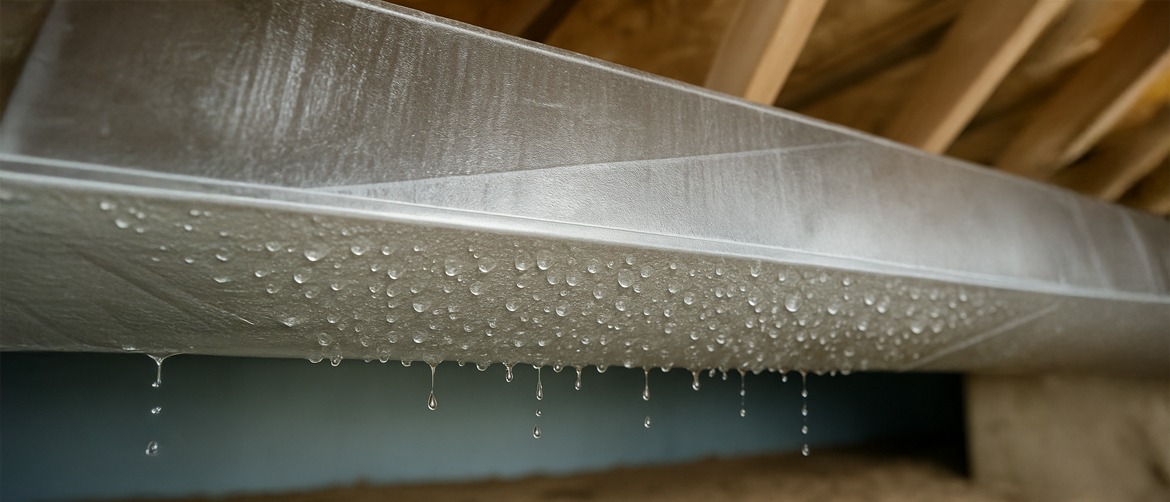
- Condensation to form on cooler surfaces
- Moisture to remain trapped in enclosed areas
- Mold spores to settle and grow unnoticed
Because these conditions develop gradually, mold often grows behind walls, inside closets, in attics, or within duct systems before homeowners notice anything unusual.
Why Poor Ventilation Is Common in Coconut Creek
Coconut Creek’s environment naturally increases the risk of ventilation-related moisture problems.
Several local factors contribute:
High year-round humidity keeps indoor moisture levels elevated.
Frequent rainstorms increase moisture in building materials.
Air conditioning running constantly creates condensation that must drain properly.
Well-sealed homes designed for energy efficiency sometimes reduce natural airflow.
Older attic and duct designs may not provide sufficient ventilation.
Nearby communities like Deerfield Beach, Margate, and North Lauderdale experience similar conditions, making ventilation-related mold issues common across Broward County.
Common Signs Homeowners Notice
When ventilation problems lead to mold, the warning signs are often subtle at first.
Homeowners may notice:
- A musty smell in certain rooms
- Condensation on windows or vents
- Dark spotting around vents or ceilings
- Stale or heavy indoor air
- Increased allergy-like irritation indoors
- Peeling paint in bathrooms or kitchens
These signs usually indicate excess moisture, even if mold is not immediately visible.
Hidden or Overlooked Sources of Ventilation Problems
Ventilation issues often start in areas that homeowners rarely inspect.
Common hidden trouble spots include:
- Attics with blocked or insufficient vents
- Closets along exterior walls
- Laundry rooms without proper exhaust
- Bathrooms with weak or nonfunctioning fans
- Air ducts with restricted airflow
- Crawl spaces or storage areas
Mold can grow in these spaces for months before becoming visible elsewhere in the home.
Why DIY Mold Checks Often Miss the Problem
Many homeowners rely on visual inspections or store-bought test kits, but these methods rarely tell the full story.
DIY approaches usually cannot:
- Detect airborne mold spores accurately
- Identify hidden growth behind walls
- Measure indoor spore levels correctly
- Determine the moisture source
Mold testing performed with professional equipment provides a clearer and more reliable understanding of what is happening inside the home.
Professional Mold Testing Explained
Professional mold testing is designed to identify both visible and hidden mold issues, especially those caused by ventilation problems.
A typical process includes:
Moisture assessment to locate damp areas contributing to growth.
Air sampling to measure airborne mold spores.
Surface sampling when visible growth is present.
Ventilation evaluation to identify airflow deficiencies.
Professionals analyze results to determine whether mold levels are normal or elevated and to locate the source of moisture feeding the problem.
Companies familiar with South Florida conditions, such as Pompano Mold Inspection and Testing, understand how ventilation patterns in coastal homes influence mold growth and how to interpret testing results accurately.
Proper Mold Removal and Remediation After Testing
Testing is only the first step. When mold is confirmed, proper remediation ensures the issue is resolved safely and effectively.
The process often includes:
- Containing affected areas
- Removing contaminated materials when necessary
- Cleaning and treating surfaces
- Drying moisture sources thoroughly
- Improving ventilation to prevent recurrence
Addressing airflow issues is critical; otherwise, mold may return even after cleaning.
The Connection Between Mold, Flood Restoration, and Water Damage
Ventilation-related mold sometimes overlaps with other moisture problems.
For example:
- Small roof leaks may go unnoticed in poorly ventilated attics
- Minor plumbing leaks may stay damp longer without airflow
- Condensation from AC systems may accumulate in enclosed spaces
Flood restoration and water damage repair often include drying and airflow improvements that reduce future mold risks.
Air Ducts, AC Systems, and Ventilation Issues
HVAC systems play a major role in indoor air quality and moisture control.
Poor ventilation can lead to:
- Moisture inside ductwork
- Mold growth near evaporator coils
- Reduced airflow efficiency
- Persistent odors circulating through the home
Air duct cleaning and proper AC maintenance can significantly improve ventilation and reduce mold risks, particularly in humid areas like Coconut Creek and Fort Lauderdale.
How Homeowners Can Improve Ventilation
Preventing mold caused by poor ventilation often involves practical steps that improve airflow and reduce humidity.
Helpful measures include:
- Running bathroom and kitchen exhaust fans regularly
- Keeping attic vents clear and unobstructed
- Using dehumidifiers in humid rooms
- Ensuring AC drain lines remain clear
- Leaving interior doors open occasionally to promote airflow
- Scheduling periodic moisture inspections
These steps can make a significant difference in maintaining a balanced indoor environment.
Why Local Experience Matters in Mold Testing
Mold behavior in South Florida differs from other regions. The combination of humidity, heat, and coastal air means mold can grow faster and spread differently than in drier climates.
Local professionals understand:
- How humidity affects indoor air quality
- Where ventilation problems commonly occur in Broward County homes
- How storm seasons influence mold growth
- Which building materials are most vulnerable
This regional knowledge leads to more accurate testing and more effective solutions.
A Calm, Practical Next Step
Poor ventilation is a common but manageable problem in Coconut Creek homes. Mold testing provides clarity, helping homeowners understand whether mold is present, how severe it is, and what steps should be taken next.
When moisture sources are corrected and airflow improves, homes become more comfortable, healthier, and easier to maintain. Early testing and proper remediation help prevent small ventilation problems from turning into larger structural or air quality issues over time.