
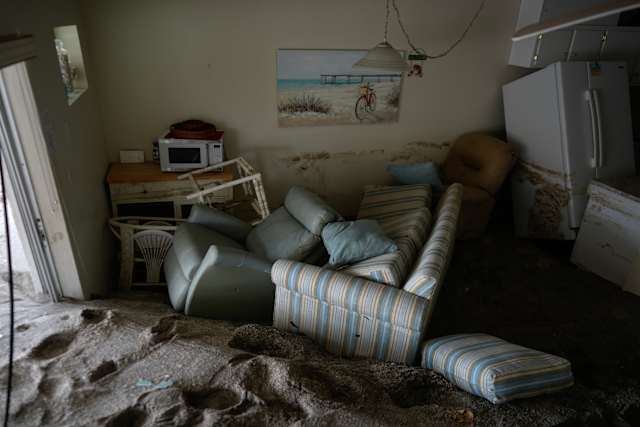
How Mold Testing Helps Homes in Lighthouse Point after Flooding
Flooding is an unfortunate reality for many homes in Lighthouse Point, especially during heavy rainstorms, tropical weather events, or unexpected plumbing failures. Even when floodwater appears to be cleaned up quickly, moisture often remains hidden inside walls, ceilings, flooring, and air conditioning systems.
Many homeowners assume that once water is removed and surfaces look dry, their home is safe again. However, hidden moisture left behind after flooding creates ideal conditions for mold growth. Mold can begin developing within days, often out of sight, eventually leading to odors, structural damage, and indoor air quality concerns.
Mold testing plays a critical role after flooding by helping homeowners understand whether hidden contamination is present and what steps are necessary to protect the home. For property owners in Lighthouse Point and surrounding Broward County communities, early mold testing helps prevent long-term damage and costly repairs.
What Happens to Homes After Flooding
When flooding occurs, water rarely stays in one place. It spreads through flooring materials, wall cavities, insulation, and ceiling spaces. Even small water events can allow moisture to travel into hidden areas.
Materials commonly affected include:
• Drywall and insulation
• Wood framing and subfloors
• Cabinets and built-in furniture
• Carpet and padding
• Ceiling materials
• Air conditioning ducts
Even when surfaces dry, moisture trapped inside materials may remain for weeks, especially in Florida’s humid climate. This hidden dampness creates conditions where mold thrives.
Why Flood-Related Mold Is Common in Lighthouse Point
Homes in Lighthouse Point and nearby coastal areas such as Pompano Beach, Deerfield Beach, and Lauderdale-by-the-Sea face constant moisture challenges. Coastal weather patterns and humidity make natural drying difficult after flooding.
Several factors increase mold risks after flooding:
• High year-round humidity slowing drying
• Storm-related water intrusion
• Groundwater flooding
• Aging plumbing systems
• AC condensation problems following water events
• Poor ventilation in enclosed areas
Floodwater may also carry contaminants that increase the likelihood of mold development if cleanup is incomplete.
Early Warning Signs Mold May Be Developing
After flooding, mold growth may begin before homeowners notice visible problems. Early signs are often subtle but important.
Common warning signs include:
• Musty or damp odors indoors
• Discoloration on walls or ceilings
• Peeling or bubbling paint
• Warped flooring or soft drywall
• Persistent humidity inside rooms
• Mold spots near vents or baseboards
• Recurring stains after repainting
These signs often indicate moisture remains inside hidden areas.
Hidden Areas Mold Grows After Flooding
Mold often grows in areas homeowners rarely inspect.
Common hidden mold locations include:
• Behind drywall and insulation
• Beneath flooring materials
• Inside ceiling cavities
• Under cabinets and vanities
• Inside air ducts and AC closets
• Around window and door frames
• Inside storage rooms or closets
Without professional testing, these hidden areas may remain contaminated for months.
Why DIY Mold Checks Usually Miss Problems
Homeowners sometimes inspect properties themselves after flooding or clean visible mold areas. While helpful, DIY efforts rarely detect hidden contamination.
DIY inspections often fail because:
• Mold behind walls is invisible
• Moisture inside flooring remains hidden
• Mold spores cannot be seen without testing
• Surface cleaning ignores underlying moisture
Without professional inspection and testing, mold problems often continue unnoticed.
How Professional Mold Testing Works After Flooding
Professional mold inspection focuses on identifying moisture sources and confirming contamination levels.
A proper inspection typically includes:
- Visual inspection of flood-affected areas
- Moisture detection inside walls and flooring
- Inspection of HVAC and duct systems
- Air sampling to measure mold spores
- Surface sampling when visible growth is present
This testing determines whether mold has begun developing and how extensive contamination may be.
Companies such as Pompano Mold Inspection and Testing assist Lighthouse Point homeowners by providing clear inspection results and helping determine whether remediation is necessary.
Testing allows repairs to focus on actual problem areas rather than guesswork.
Proper Mold Removal and Remediation After Flooding
If testing confirms mold contamination, remediation focuses on removing affected materials and correcting moisture sources.
Professional remediation often includes:
• Containment of affected areas
• Removal of contaminated materials when needed
• Cleaning and sanitizing surfaces
• HEPA air filtration
• Structural drying and dehumidification
• Repairs to prevent future moisture intrusion
Proper remediation ensures mold does not return once repairs are completed.
Flood Restoration and Water Damage Repair Steps
Flood restoration and mold prevention often work together after water events. Restoration typically involves:
• Removing standing water
• Extracting moisture from flooring
• Drying walls and ceilings
• Monitoring moisture levels
• Repairing damaged materials
Correct drying is critical. Even small amounts of leftover moisture can restart mold growth.
Air Ducts and HVAC Systems After Flooding
Flooding or heavy moisture exposure can also affect HVAC systems. Moisture entering ducts may circulate mold spores throughout the home.
Common HVAC-related problems include:
• Wet duct insulation
• Mold inside duct systems
• Increased indoor humidity
• Reduced airflow performance
Inspection and cleaning of duct systems help restore healthy indoor air after flooding.
How Homeowners Can Prevent Mold After Flooding
While flooding cannot always be prevented, mold growth can often be minimized through quick action.
Helpful prevention steps include:
• Removing water quickly
• Using professional drying equipment
• Monitoring moisture levels after cleanup
• Inspecting hidden areas for dampness
• Maintaining AC systems and drain lines
• Scheduling mold inspections when unsure
Early response reduces the chance of mold spreading inside the home.
Why Local Experience Matters
Flood damage and mold growth behave differently depending on climate and building construction. Homes in Lighthouse Point face coastal humidity and storm exposure that influence how moisture spreads and dries.
Professionals familiar with Broward County homes understand common moisture pathways and how local weather conditions impact restoration. Pompano Mold Inspection and Testing works throughout the region and understands how flood-related moisture affects coastal properties.
Local experience helps identify risks quickly and plan practical solutions.
A Smart Next Step After Flooding
If your Lighthouse Point home has experienced flooding or water intrusion, scheduling professional mold testing is a practical next step. Early inspection ensures hidden moisture and mold risks are addressed before they cause larger problems.
Flood damage often appears minor once surfaces dry, but unseen moisture can lead to long-term issues if ignored. Mold testing provides clarity and peace of mind, allowing homeowners to move forward confidently with repairs.
Addressing moisture early helps protect property value while maintaining a safe and comfortable home environment throughout Florida’s demanding coastal climate.
Image Prompts
- Empty coastal Florida home interior after flooding with professional moisture inspection underway, realistic lighting, no people, no text, no logos.
- Professional drying equipment operating in vacant home after flood damage cleanup, clean interior, realistic style, no people.
- Moisture meter inspection of drywall in empty residential property after flooding, realistic environment, no people, no branding.
