
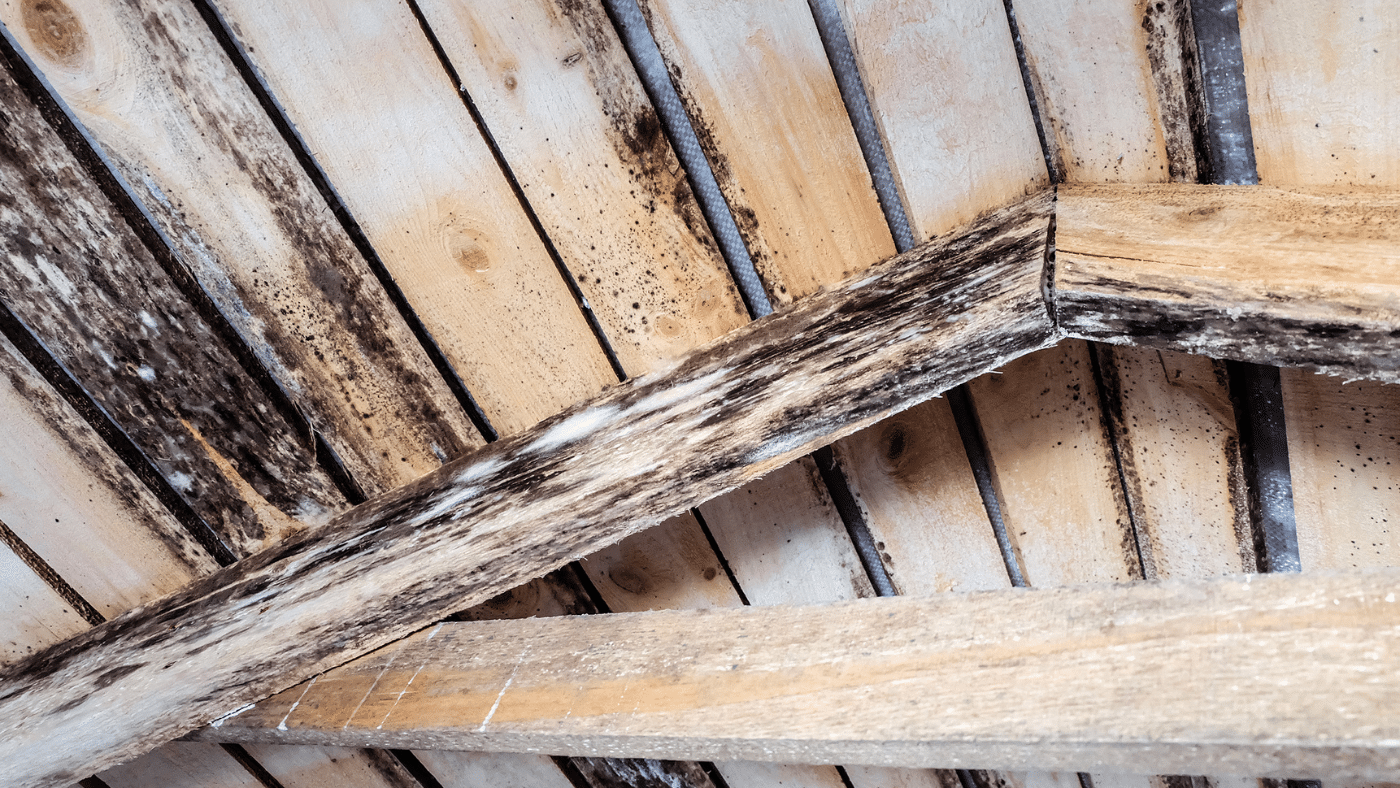
How Mold Testing Helps Homes in Lighthouse Point in Older Homes
Older homes in Lighthouse Point offer charm, character, and strong construction, but they also face unique challenges when it comes to moisture and mold. Many houses built decades ago were not designed for today’s air conditioning use or Florida’s growing humidity levels, which makes mold problems more common than homeowners expect.
In many cases, mold growth remains hidden until renovations begin or indoor air starts to smell musty. For homeowners, landlords, and property managers in Lighthouse Point, understanding how mold testing works is one of the best ways to protect property value and maintain healthy living spaces.
Mold testing helps identify problems early, especially in older homes where moisture may have been present for years without being detected.
What Mold Testing Actually Is
Mold testing is more than simply checking visible mold spots. Professional testing evaluates whether mold spores are present in the air or inside building materials due to hidden moisture issues.
A proper mold inspection may include:
• Air sampling to measure indoor spore levels
• Surface testing of visible growth
• Moisture detection behind walls and flooring
• Inspection of HVAC systems and ducts
• Identification of water intrusion sources
The goal is not just to confirm mold, but to determine why it is present and how moisture is entering or remaining inside the home.
Why Mold Problems Are Common in Older Lighthouse Point Homes
Lighthouse Point sits in coastal Broward County, where homes constantly face warm temperatures, humidity, and seasonal storms. Nearby communities like Pompano Beach, Deerfield Beach, Fort Lauderdale, and Lauderdale-by-the-Sea experience similar conditions.
Older homes often face additional risk factors such as:
• Aging plumbing systems
• Older roofing materials
• Outdated ventilation designs
• Poor insulation in attics and walls
• Window and door sealing failures
• Older duct systems prone to leakage
When combined with Florida’s climate and constant AC usage, these issues allow moisture to accumulate inside homes.
Older construction methods also sometimes allowed moisture to remain trapped in walls and crawl spaces, creating long-term mold growth opportunities.
Common Signs Homeowners Notice
Many mold problems start quietly, and homeowners may not notice anything unusual at first. Over time, warning signs begin to appear.
Common signs include:
• Musty odors in certain rooms
• Visible mold spots near vents or ceilings
• Peeling paint or bubbling drywall
• Stains after rainstorms
• Warped flooring
• Increased allergy irritation indoors
• Persistent humidity even with AC running
These signs usually indicate that moisture exists somewhere in the structure, even if mold is not immediately visible.
Hidden Mold Sources in Older Homes
Older Lighthouse Point homes often have mold growing in places that are rarely inspected.
Common hidden mold locations include:
• Behind drywall after minor plumbing leaks
• Inside attic insulation
• Beneath older flooring materials
• Inside air ducts or air handlers
• Around window frames with long-term leaks
• Bathrooms without adequate ventilation
• Laundry areas with trapped moisture
Because mold can grow silently behind walls or under floors, professional testing helps uncover contamination before it spreads further.
Why DIY Mold Removal Usually Fails
Homeowners sometimes attempt to clean mold using household cleaners or repaint affected areas. Unfortunately, this rarely solves the underlying issue.
DIY efforts often fail because:
• The moisture source remains unresolved
• Mold behind walls goes untreated
• Cleaning spreads spores into the air
• Only surface growth gets removed
Without professional inspection and moisture control, mold usually returns.
Professional Mold Inspection and Testing Explained
Professional mold inspections focus on finding moisture problems first, since mold cannot grow without water or humidity.
A professional inspection typically includes:
- Visual examination of problem areas
- Moisture scanning inside walls and floors
- Evaluation of attic and crawl space conditions
- Inspection of HVAC systems and ducts
- Air or surface testing if needed
Companies such as Pompano Mold Inspection and Testing provide homeowner-focused inspections that explain what is happening inside the property and how to correct the issue properly.
Testing helps homeowners avoid unnecessary demolition or repairs while identifying real moisture concerns.
Proper Mold Removal and Remediation Process
Once mold is confirmed, remediation focuses on removing contamination and preventing regrowth.
Professional remediation often includes:
• Containment of affected areas
• Removal of damaged materials when necessary
• Cleaning and sanitizing contaminated surfaces
• HEPA air filtration
• Structural drying
• Repair of moisture sources
Fixing moisture is the key step. Without it, mold usually returns.
Flood Restoration and Water Damage Repair in Older Homes
Older Lighthouse Point homes sometimes experience flooding or slow leaks from aging plumbing systems. Even minor water events can leave moisture trapped behind walls or under flooring.
Flood restoration services may involve:
• Water extraction
• Structural drying equipment
• Moisture monitoring
• Flooring and drywall repair
• Mold prevention treatments
Quick restoration reduces long-term mold risk and protects structural components.
Air Ducts, AC Systems, and Mold Growth
Air conditioning systems are essential in South Florida, but older homes may have outdated duct systems or poorly insulated ducts that allow moisture to accumulate.
When ducts sweat or leak, moisture can spread inside ceilings and walls. Dirty ducts may also circulate mold spores through the home.
Regular duct cleaning, insulation upgrades, and AC maintenance help reduce mold risks and improve airflow in older homes.
How Homeowners Can Prevent Mold in Older Homes
Preventive maintenance helps avoid costly mold problems. Owners of older homes in Lighthouse Point can reduce risks by:
• Inspecting plumbing regularly
• Maintaining roofs and sealing leaks
• Keeping AC condensate lines clear
• Improving attic ventilation
• Using dehumidifiers if humidity stays high
• Repairing water damage quickly
• Scheduling periodic mold inspections
Small preventive steps can significantly extend the life of an older home.
Why Local Experience Matters
Mold problems vary by climate and construction style. Older homes in Lighthouse Point face different challenges compared to newer developments in Coconut Creek or North Lauderdale.
Professionals familiar with Broward County’s coastal environment understand how humidity, storms, and aging construction influence mold growth. Pompano Mold Inspection and Testing works with homeowners throughout the area and understands how local moisture patterns affect properties.
Local expertise leads to more accurate inspections and practical solutions.
A Smart Next Step for Homeowners
If your older Lighthouse Point home shows signs of moisture problems or musty odors, arranging a professional mold inspection is a practical next step. Early testing helps prevent expensive repairs and protects indoor air quality.
Mold problems are usually manageable when caught early. Taking action now helps homeowners preserve their property while maintaining comfortable, healthy living spaces in Broward County’s humid coastal environment.
