How to Prevent Future Damage: Indoor Air Quality Improvement in Lauderdale-by-the-Sea in Coastal Homes
Coastal homes in Lauderdale-by-the-Sea face unique challenges when it comes to indoor air quality. The ocean air, high humidity, frequent storms, and nearly constant air-conditioning use all influence the air inside a home. Even when there is no visible water intrusion, excess humidity and moisture can affect building materials, ventilation systems, and overall comfort.
Improving indoor air quality is one of the most effective ways to prevent long-term moisture damage, reduce the risk of mold growth, and maintain a healthy and comfortable home environment.
What Indoor Air Quality Means in Coastal Homes
Indoor air quality refers to the condition of the air inside a home, including humidity levels, airflow, and the presence of airborne particles. In coastal areas, humidity plays a major role. When moisture levels rise, air may feel heavy, odors may develop, and building materials may absorb moisture over time.
Indoor air quality improvement focuses on:
- Reducing humidity levels
- Improving ventilation and airflow
- Inspecting HVAC systems
- Identifying moisture sources
- Maintaining clean duct systems
These steps help protect both the structure of the home and the comfort of occupants.
Why Coastal Homes in Lauderdale-by-the-Sea Face Air Quality Challenges
Homes in Lauderdale-by-the-Sea and nearby communities such as Pompano Beach, Lighthouse Point, and Deerfield Beach experience environmental conditions that affect indoor air.
High Outdoor Humidity
Coastal air contains significant moisture, which can enter homes through ventilation or small gaps in building materials.
Storms and Seasonal Rain
Heavy rain increases humidity and may introduce moisture into attics, walls, or flooring.
Air Conditioning Dependence
AC systems run frequently in coastal homes, and condensation or drainage problems may increase indoor humidity.
Limited Natural Ventilation
Windows are often kept closed to maintain cooling, reducing airflow and allowing humidity to linger.
These conditions make indoor air quality improvement an important part of home maintenance.
Early Signs Indoor Air Quality May Be Declining
Air quality problems often develop gradually. Homeowners should watch for warning signs that moisture or ventilation issues may be affecting indoor conditions.
Common indicators include:
- Musty or damp odors
- Stale or heavy indoor air
- Condensation near vents or windows
- Increased indoor humidity
- Uneven cooling or airflow
- Dust buildup around vents
These signs often indicate that moisture or ventilation problems are present.
Hidden Sources That Affect Indoor Air Quality
One of the biggest challenges in coastal homes is that moisture often accumulates in hidden areas.
Air Ducts
Ductwork may collect condensation, allowing humidity or odors to circulate throughout the home.
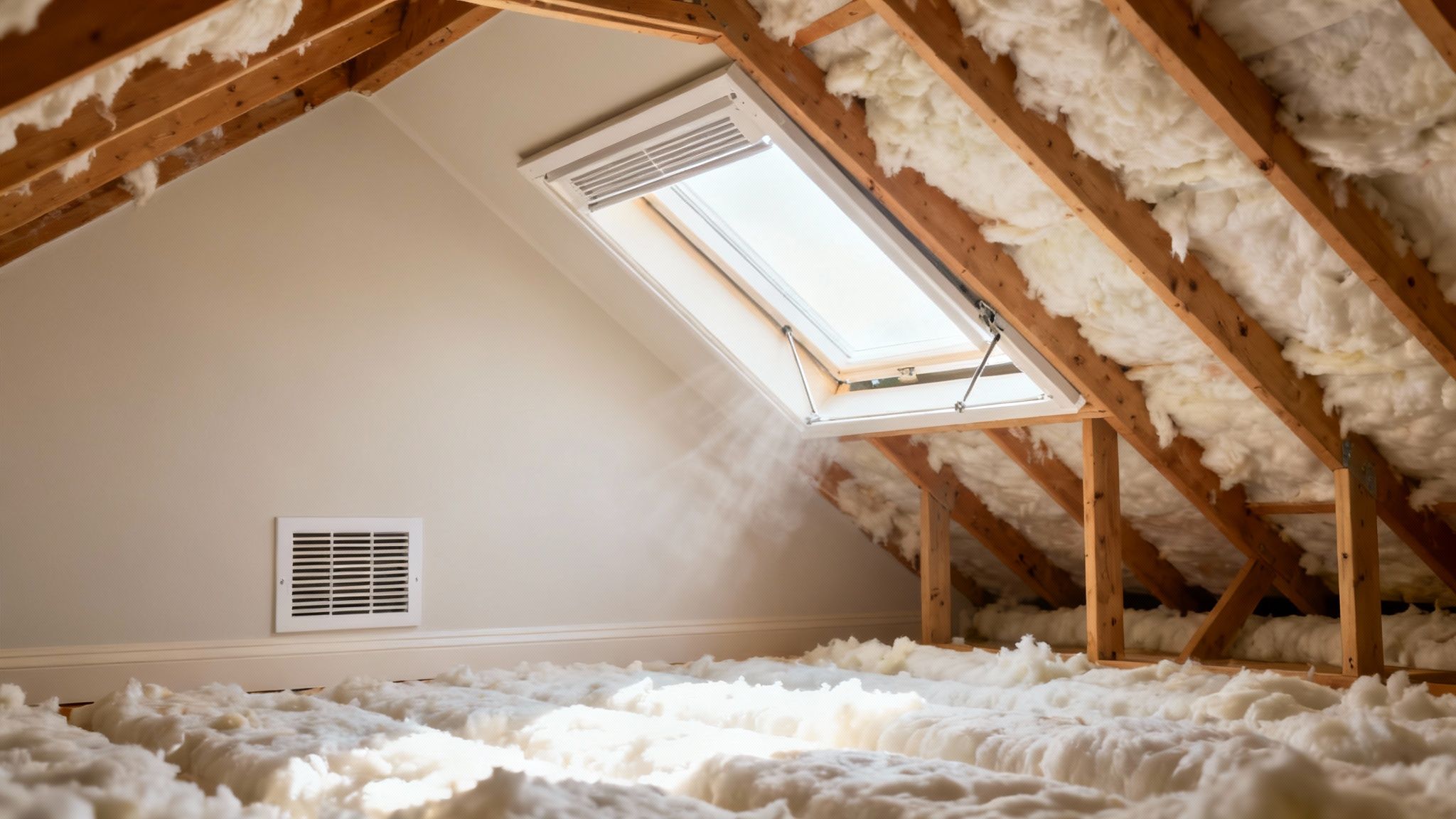
Attics
Moisture trapped in insulation can gradually affect indoor air through ventilation pathways.
Behind Walls
Damp drywall or insulation may slowly release moisture into indoor air.
Carpets and Flooring
Moisture trapped beneath flooring materials can contribute to odors and humidity.
Professional inspections often identify these hidden sources before they lead to larger problems.
How Indoor Air Quality Improvement Prevents Future Damage
Improving indoor air quality helps protect homes in several important ways.
Key benefits include:
- Reducing moisture that can damage drywall and flooring
- Preventing mold growth
- Improving airflow and HVAC efficiency
- Eliminating musty odors
- Maintaining consistent humidity levels
These improvements help prevent structural deterioration and costly repairs.
Professional Indoor Air Quality Improvement Process
Improving indoor air quality often involves several steps designed to correct moisture and ventilation issues.
Inspection and Assessment
The first step is identifying moisture sources, ventilation problems, or areas affected by dampness.
Humidity Control
Air conditioning systems and dehumidifiers help reduce indoor humidity to safe levels.
HVAC and Duct Inspection
Ducts and air handlers are inspected to ensure condensation or debris is not affecting airflow.
Cleaning and Ventilation Improvements
Cleaning vents, improving airflow, and correcting ventilation problems help maintain healthy indoor air.
Experienced local providers such as Pompano Mold Inspection and Testing understand how coastal humidity and storm conditions in Broward County affect indoor air quality, helping ensure accurate assessments and practical solutions.
Mold Prevention and Indoor Air Quality
Humidity and trapped moisture are the primary conditions that allow mold to develop. Improving air quality helps reduce these conditions and prevent growth.
Preventive steps include:
- Drying damp areas promptly
- Monitoring humidity levels
- Inspecting attics and ducts regularly
- Maintaining ventilation systems
Homes in Margate and Coconut Creek that experience prolonged humidity often require both moisture detection and indoor air quality improvements to maintain stable indoor conditions.
The Role of HVAC Systems in Coastal Homes
Air-conditioning systems play a central role in controlling humidity and airflow. When HVAC systems function properly, they remove moisture and maintain comfort. However, clogged filters, dirty coils, or blocked drain lines can reduce efficiency and allow humidity to increase.
Warning signs of HVAC-related air quality problems include:
- Musty odors when the AC runs
- Condensation near vents
- Uneven cooling
- Increased indoor humidity
Routine maintenance helps prevent these issues and keeps air systems working efficiently.
Practical Steps Homeowners Can Take
Homeowners in Lauderdale-by-the-Sea can help prevent indoor air quality problems by following practical maintenance steps.
Helpful measures include:
- Running air conditioning to control humidity
- Using exhaust fans in kitchens and bathrooms
- Replacing HVAC filters regularly
- Inspecting ceilings and attics after heavy rain
- Monitoring indoor humidity levels
- Scheduling inspections when moisture is suspected
Property managers in Fort Lauderdale and Lighthouse Point often include seasonal inspections to identify potential issues early.
Why Local Experience Matters
Indoor air quality improvement in coastal Florida requires an understanding of regional climate and construction methods. High humidity, salt air, and seasonal storms all influence how moisture behaves and how long materials take to dry.
Professionals familiar with Lauderdale-by-the-Sea homes understand:
- Typical ventilation challenges in coastal properties
- Moisture behavior in attic and duct systems
- Drying challenges in humid environments
- Common storm-related moisture intrusion points
This experience helps ensure effective and lasting results.
A Calm, Practical Next Step
Indoor air quality problems can develop gradually, but early action helps prevent long-term damage. Paying attention to warning signs—such as odors, humidity changes, or poor airflow—helps homeowners address issues before they become more serious.
Many homeowners in Lauderdale-by-the-Sea and nearby communities schedule inspections with experienced local providers like Pompano Mold Inspection and Testing to confirm their homes remain dry, ventilated, and comfortable.
Proper humidity control, ventilation, and regular HVAC maintenance remain the most reliable ways to protect coastal homes from moisture-related damage.