How to Prevent Future Damage: Mold Removal in Pompano Beach from Poor Ventilation
Poor ventilation is one of the most overlooked causes of mold growth in Pompano Beach homes. While roof leaks or flooding often get immediate attention, trapped humidity inside bathrooms, kitchens, attics, and air ducts can quietly create conditions where mold develops over time.
In South Florida’s warm and humid environment, ventilation is not just about comfort—it plays a major role in protecting the structure of a home. Understanding how poor airflow contributes to mold growth, how removal is handled properly, and how future damage can be prevented helps homeowners and property managers keep their properties in good condition.
What Mold Growth from Poor Ventilation Really Means
Mold needs three things to grow:
- Moisture
- Organic material such as drywall or wood
- Limited airflow
Poor ventilation allows moisture to linger instead of evaporating. Over time, damp surfaces provide the ideal environment for mold to begin forming, often in areas that are rarely inspected.
Unlike flooding or plumbing leaks, ventilation-related mold problems tend to develop slowly, which makes them harder to notice early.
Why Poor Ventilation Causes Mold So Often in Pompano Beach
Homes in Pompano Beach, Lighthouse Point, and Deerfield Beach experience environmental conditions that make ventilation especially important.
High Humidity Year-Round
Outdoor humidity levels remain elevated for much of the year. Without proper airflow, indoor humidity can accumulate quickly.
Constant Air Conditioning
Air conditioners remove moisture but also create condensation. If airflow is restricted or ducts are poorly ventilated, moisture may remain trapped.
Sealed Modern Construction
Many newer homes are built to be energy-efficient, which reduces natural airflow and increases reliance on mechanical ventilation.
Warm Attic Spaces
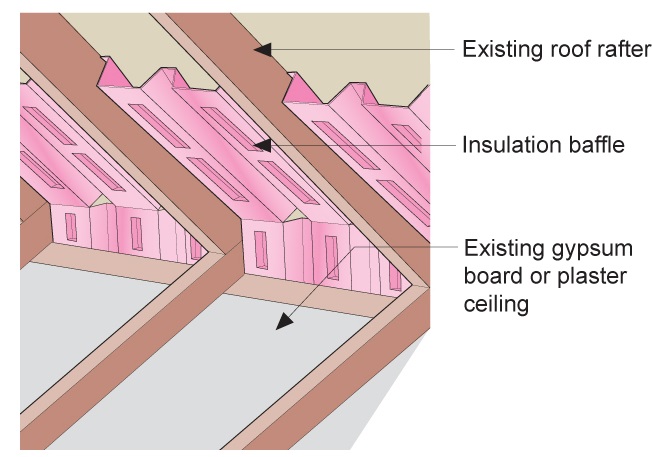
Attics in South Florida can trap heat and humidity, especially when ventilation fans or soffit vents are blocked or insufficient.
These factors make ventilation a critical component of mold prevention.
Early Signs of Mold Caused by Poor Airflow
Mold caused by ventilation problems often appears gradually. Some early warning signs include:
- Persistent musty odors
- Condensation on windows or vents
- Peeling paint in bathrooms or kitchens
- Dark spotting near ceilings or corners
- Humidity that feels higher than normal indoors
Homeowners in Coconut Creek and Margate often notice odor before visible mold appears, especially in bathrooms or laundry areas with limited airflow.
Hidden Areas Where Ventilation Problems Lead to Mold
Mold linked to poor ventilation is frequently found in locations that are easy to overlook.
Bathrooms
Steam from showers can linger when exhaust fans are weak or rarely used.
Kitchens
Cooking releases moisture that can accumulate in cabinets and ceilings without proper airflow.
Attics
Heat and humidity trapped in attic spaces often lead to mold on rafters and insulation.
Air Ducts
Moisture inside ductwork can remain trapped when airflow is restricted.
These areas often require inspection to identify problems early.
Why DIY Mold Removal Usually Fails
Many homeowners attempt to clean visible mold using household products. While this may remove surface staining temporarily, it rarely solves the underlying problem.
DIY removal often fails because:
- The moisture source remains
- Mold inside porous materials is not removed
- Ventilation issues are not corrected
- Hidden mold is overlooked
Without improving airflow, mold frequently returns even after cleaning.
Professional Mold Inspection and Testing Explained
When mold is suspected, a professional inspection helps determine the extent of the problem and identify the cause.
A thorough inspection may include:
- Evaluating ventilation in bathrooms, kitchens, and attics
- Checking humidity levels and airflow
- Detecting moisture inside walls or ceilings
- Inspecting HVAC systems and ducts
Professionals familiar with local conditions, such as those at Pompano Mold Inspection and Testing, understand how humidity and ventilation patterns in Broward County homes contribute to mold growth. This local experience helps identify problems more accurately.
The Mold Removal and Remediation Process
Proper mold removal involves more than cleaning visible surfaces. A structured remediation process is usually followed.
Containment
Affected areas may be isolated to prevent mold spores from spreading.
Removal of Contaminated Materials
Porous materials such as drywall or insulation may need replacement if heavily affected.
Cleaning and Treatment
Surfaces are cleaned using appropriate methods to remove contamination safely.
Moisture and Ventilation Correction
Improving airflow, repairing fans, or addressing HVAC issues helps prevent mold from returning.
Drying and Restoration
The area is dried thoroughly and restored to normal condition.
Each step focuses on solving the root cause rather than only addressing symptoms.
Flood Restoration and Water Damage Considerations
Ventilation-related mold sometimes appears after minor water intrusion that was never fully dried.
Heavy rain in Pompano Beach and Fort Lauderdale can increase indoor humidity levels even when flooding does not occur. In cases where water damage and poor airflow combine, both drying and ventilation improvements may be necessary.
Water damage repair may include:
- Removing trapped moisture
- Drying structural materials
- Inspecting insulation and flooring
- Repairing damaged areas
Addressing both moisture and airflow ensures long-term results.
Air Ducts, AC Systems, and Ventilation Problems
HVAC systems play a major role in indoor air circulation. When ducts are dirty, blocked, or poorly insulated, airflow may be reduced, allowing humidity to build up.
Warning signs related to HVAC systems include:
- Musty smells when the AC runs
- Uneven cooling between rooms
- Condensation near vents
- Increased indoor humidity
Routine maintenance and duct cleaning help maintain proper airflow and reduce moisture buildup.
How to Prevent Mold Caused by Poor Ventilation
Preventive maintenance is often simple but highly effective.
Homeowners in Pompano Beach can reduce risk by:
- Using bathroom and kitchen exhaust fans regularly
- Keeping attic vents clear and functional
- Maintaining HVAC systems annually
- Replacing air filters regularly
- Monitoring indoor humidity levels
- Ensuring laundry areas are well ventilated
Property managers in North Lauderdale and Lauderdale-by-the-Sea often include ventilation checks as part of seasonal inspections to prevent recurring problems.
Why Local Experience Matters
Ventilation challenges vary by climate and construction style. Homes in coastal South Florida behave differently than homes in dry regions.
Local professionals understand:
- How humidity affects attic spaces
- Common ventilation deficiencies in local construction
- Seasonal storm impacts on indoor moisture
- Typical airflow issues in slab foundation homes
This knowledge helps identify ventilation problems early and recommend practical solutions.
A Calm, Practical Next Step
Mold caused by poor ventilation develops slowly, but it can lead to significant damage if ignored. Paying attention to odors, humidity changes, or condensation helps homeowners act before problems spread.
Many homeowners in Pompano Beach and nearby communities schedule periodic inspections with experienced local providers such as Pompano Mold Inspection and Testing to identify ventilation issues early and prevent long-term damage.
Improving airflow, maintaining HVAC systems, and addressing moisture promptly are some of the most effective ways to keep a home dry, comfortable, and well protected in South Florida’s humid climate.