How Water Removal Helps Homes in Fort Lauderdale in Rental Properties
Water damage is one of the most common maintenance issues in rental properties across Fort Lauderdale. Between heavy seasonal rains, plumbing failures, appliance leaks, and air-conditioning condensation, water intrusion can occur in many ways. When water is not removed quickly and properly, it can lead to mold growth, structural damage, and expensive repairs.
Understanding how professional water removal works helps landlords, property managers, and homeowners protect rental properties, reduce repair costs, and maintain safe living conditions for tenants.
What Water Removal Means
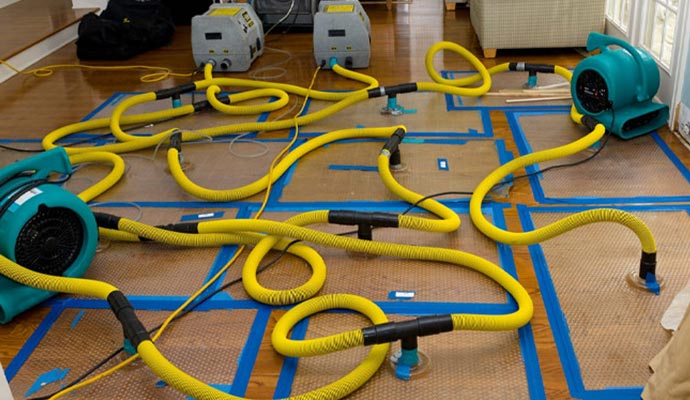
Water removal is the process of extracting standing water and eliminating excess moisture from building materials after a leak, flood, or plumbing issue. It is often the first and most critical step in water damage restoration.
Water removal services typically include:
- Extracting standing water
- Drying floors, walls, and structural materials
- Dehumidifying indoor air
- Monitoring moisture levels
- Preventing mold growth
In rental properties, quick water removal helps reduce tenant disruption and prevents long-term damage.
Why Rental Properties in Fort Lauderdale Are More Vulnerable
Rental homes and apartments often experience higher wear and tear than owner-occupied homes. In Fort Lauderdale, environmental conditions also contribute to water problems.
Factors that increase risk include:
- Frequent storms and heavy rain
- High humidity levels
- Constant AC usage
- Plumbing wear from frequent use
- Delayed reporting of minor leaks
Properties in nearby communities like Lauderdale-by-the-Sea, Margate, and Pompano Beach face similar conditions, making water removal a common service throughout Broward County.
Common Causes of Water Damage in Rental Homes
Several issues commonly lead to water intrusion in rental properties.
Plumbing Leaks
Leaking supply lines, worn fittings, or clogged drains can allow water to accumulate under sinks or behind walls.
Appliance Failures
Water heaters, washing machines, and refrigerators are frequent sources of leaks.
Storm and Roof Damage
Heavy rain and wind-driven water can enter through roofing or window seals.
AC Condensation Problems
Clogged condensate lines or drain pans can overflow, causing hidden water damage.
Tenant-Related Incidents
Overflowing bathtubs, unattended running water, or blocked drains sometimes contribute to water damage in rental units.
Early Signs of Water Damage Tenants and Owners Notice
Water damage often begins subtly. Some common warning signs include:
- Damp or musty odors
- Stains on ceilings or walls
- Warped flooring or baseboards
- Peeling paint
- Increased indoor humidity
Encouraging tenants to report these signs quickly helps property owners address issues before damage worsens.
Hidden Areas Where Water Can Accumulate
Not all water damage is immediately visible. In Fort Lauderdale rental properties, moisture frequently collects in:
- Inside wall cavities
- Beneath flooring and carpets
- Attics and ceiling spaces
- Behind appliances
- Around HVAC equipment
Professional inspections help identify these hidden areas before mold or structural problems develop.
Why Fast Water Removal Is Important
Water begins affecting materials almost immediately. Drywall absorbs moisture, wood expands, and insulation loses effectiveness.
Fast water removal helps:
- Prevent mold growth
- Protect structural materials
- Reduce repair costs
- Restore indoor air quality
- Minimize tenant displacement
In warm climates like Fort Lauderdale, mold can begin developing quickly if moisture remains.
Professional Water Removal Process
Water removal follows a structured process designed to restore safe indoor conditions.
Step 1: Inspection and Assessment
Technicians identify the source of water intrusion and evaluate how far moisture has spread.
Step 2: Water Extraction
Standing water is removed using specialized extraction equipment.
Step 3: Structural Drying
Air movers and dehumidifiers remove moisture trapped in walls, floors, and ceilings.
Step 4: Cleaning and Sanitizing
Affected surfaces are cleaned to prevent contamination and odors.
Step 5: Moisture Monitoring
Moisture levels are measured to ensure materials are fully dry before repairs are completed.
Companies such as Pompano Mold Inspection and Testing often assist property owners in Fort Lauderdale by performing these steps and ensuring properties are properly restored.
Water Damage Repair After Removal
Once water is removed and the structure is dry, repairs may be necessary. These repairs can include:
- Replacing damaged drywall or insulation
- Repairing flooring or baseboards
- Sealing and repainting surfaces
- Repairing plumbing or roofing issues
Completing repairs promptly helps return rental units to safe and comfortable conditions.
Mold Prevention in Rental Properties
One of the biggest benefits of water removal is preventing mold growth. Mold develops when moisture remains in materials for extended periods, especially in warm climates.
Proper drying and humidity control significantly reduce the risk of mold, helping protect both the building and tenant health.
Air Ducts, HVAC Systems, and Moisture
Water damage can sometimes affect ductwork or HVAC systems, especially when leaks occur in attics or ceilings.
Signs of duct-related moisture problems include:
- Musty odors when the AC runs
- Condensation near vents
- Uneven cooling
Inspecting and cleaning duct systems after water damage helps prevent mold from spreading through the home.
Benefits of Water Removal for Landlords and Property Managers
Timely water removal provides several advantages:
- Reduces long-term repair costs
- Prevents mold-related remediation
- Maintains property value
- Improves tenant satisfaction
- Shortens downtime between tenants
Preventative action also helps avoid larger restoration projects later.
Preventing Future Water Damage in Rental Homes
Property owners in Fort Lauderdale can reduce future risks by:
- Inspecting plumbing and appliances regularly
- Servicing HVAC systems annually
- Checking roofs and gutters after storms
- Monitoring humidity levels
- Educating tenants about reporting leaks quickly
Routine maintenance is one of the most effective ways to prevent recurring problems.
Why Local Experience Matters
Water damage repair in South Florida requires knowledge of regional climate conditions, building methods, and moisture behavior.
Local professionals understand:
- Storm-related water intrusion patterns
- Humidity effects on building materials
- Common plumbing and HVAC issues in Broward County homes
- Proper drying techniques for coastal environments
This experience helps ensure repairs are thorough and effective.
A Practical Next Step for Property Owners
Water damage in rental properties should always be addressed quickly, even when it appears minor. Early water removal prevents mold growth, protects structural components, and helps maintain safe and comfortable living spaces.
Property owners in Fort Lauderdale often rely on experienced local providers such as Pompano Mold Inspection and Testing to locate moisture, remove water efficiently, and restore rental homes after leaks or flooding. Acting early helps prevent costly repairs and keeps rental properties in good condition for years to come.