

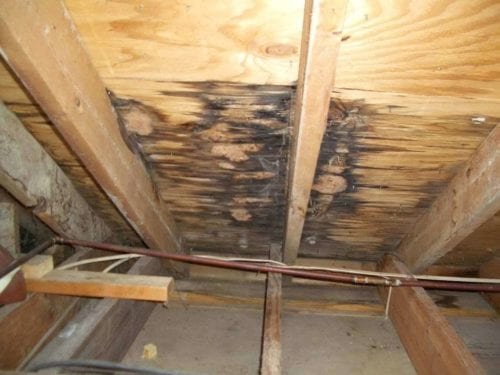
How Water Removal Helps Homes in Pompano Beach After Roof Leaks
Roof leaks are one of the most common causes of water damage in Pompano Beach homes. Heavy rain, tropical storms, aging roofs, and wind-driven weather can allow water to enter quietly and spread far beyond the original leak point. Many homeowners assume that once the rain stops and the ceiling dries, the problem is over. In reality, the most important work often starts after the leak is discovered.
In Pompano Beach and nearby areas such as Lighthouse Point, Deerfield Beach, Margate, and Lauderdale-by-the-Sea, roof leaks frequently lead to hidden moisture inside ceilings, walls, insulation, and flooring. Proper water removal plays a critical role in stopping damage early, preventing mold growth, and protecting the long-term structure of the home. Understanding how water removal works helps homeowners respond correctly after a roof leak instead of relying on surface-level fixes.
What Really Happens After a Roof Leak
When a roof leaks, water rarely stays in one place. It enters through shingles, flashing, or roof penetrations and then follows gravity and framing paths inside the home. Water can travel along rafters, soak insulation, drip into ceilings, and run down inside walls before becoming visible.
By the time a stain appears on a ceiling or wall, moisture has often spread well beyond what can be seen. Insulation above ceilings absorbs water quickly and holds it, creating a damp environment that does not dry on its own. In Pompano Beach’s humid climate, trapped moisture can linger for weeks if not properly removed.
This hidden moisture is what causes long-term damage after roof leaks.
Why Roof Leak Water Damage Is Common in Pompano Beach
Pompano Beach experiences intense weather conditions that place constant stress on residential roofs. Sudden heavy rain, strong winds, and tropical storms can exploit even small weaknesses in roofing systems.
Salt air accelerates the deterioration of flashing, fasteners, and sealants, especially in coastal neighborhoods. Older roofs or roofs with multiple repairs are particularly vulnerable. Flat or low-slope roofs common in South Florida can also allow water to pool and seep into structures.
Once water enters the home, high humidity slows natural drying and increases the risk of secondary damage, making professional water removal essential.
Early Signs Water Has Spread Beyond the Leak
Some roof leaks are obvious, but many show subtle warning signs. Homeowners may notice faint stains on ceilings, peeling paint, or bubbling drywall days after a storm. A musty odor in certain rooms is another common indicator.
Other signs include sagging ceiling areas, damp insulation smells, or increased indoor humidity. In some cases, water runs down walls and affects baseboards or flooring far from the original leak.
These signs suggest that water removal is needed, not just roof repair.
Hidden Damage Caused by Roof Leaks
The most serious damage from roof leaks is often hidden. Wet insulation loses its effectiveness and remains damp long after the leak stops. Ceiling drywall can weaken and collapse over time if moisture is not removed.
Water that reaches wall cavities can damage wood framing and electrical components. Flooring may be affected if water travels downward, leading to warping or lifting.
If moisture reaches HVAC systems or ductwork, it can spread humidity and odors throughout the home. Hidden damage is why roof leaks should never be treated as surface-only problems.
Why Simply Fixing the Roof Is Not Enough
Repairing the roof stops new water from entering, but it does not remove the moisture already inside the home. Many homeowners make the mistake of assuming that fixing shingles or flashing resolves the issue completely.
Without water removal and drying, trapped moisture continues damaging materials. In Pompano Beach’s climate, this often leads to mold growth, persistent odors, and recurring stains even after roof repairs are complete.
Proper water removal addresses what the roof repair cannot: moisture inside the structure.
How Professional Water Removal Works
Professional water removal starts with a thorough assessment. Technicians identify where water entered, how far it traveled, and which materials are affected. Moisture detection tools help locate damp areas behind ceilings and inside walls.
Standing water, if present, is extracted using professional equipment. More importantly, saturated materials such as insulation, drywall, and framing are dried using industrial air movers and dehumidifiers.
In many cases, sections of wet insulation or drywall must be removed to allow proper drying. This controlled approach prevents moisture from remaining trapped inside the home.
The Role of Drying and Dehumidification
Drying is one of the most critical steps after roof leaks. Simply airing out a room is not enough, especially in humid environments like Pompano Beach.
Professional drying equipment pulls moisture out of materials and reduces indoor humidity. Dehumidifiers remove moisture from the air, allowing wet materials to dry more effectively.
Moisture levels are monitored throughout the process to ensure drying is complete. This step prevents hidden dampness that can cause future problems.
Mold Risks After Roof Leaks
Mold growth is a common secondary issue following roof leaks. Mold can begin developing within 24 to 48 hours when moisture remains.
Ceiling cavities, insulation, and wall interiors provide ideal conditions for mold growth. Because these areas are hidden, mold often goes unnoticed until odors or air quality issues appear.
Proper water removal significantly reduces mold risk by eliminating the moisture mold needs to grow. In cases where mold is already present, professional mold cleaning and remediation may be required.
How Water Removal Protects Indoor Air Quality
Roof leak moisture affects more than building materials. Damp areas release musty odors and contribute to poor indoor air quality.
If moisture reaches ductwork or air handlers, contaminants can circulate throughout the home. Water removal and drying help stabilize indoor humidity and reduce odor issues.
In many Pompano Beach homes, addressing water damage early improves comfort and prevents ongoing air quality complaints.
Preventing Repeat Problems After Roof Leaks
Water removal also supports prevention. During the drying process, professionals often identify secondary issues such as poor ventilation, damaged insulation, or AC-related moisture problems.
Correcting these issues reduces the chance of future damage. Homeowners may also learn where water traveled during the leak, helping them monitor those areas after future storms.
Prevention is easier when the full extent of damage is understood.
Why Local Experience Matters
Water removal after roof leaks in Pompano Beach requires local knowledge. Coastal humidity, storm patterns, and construction styles all influence how water behaves inside homes.
Pompano Mold Inspection and Testing brings experience working in Pompano Beach, Lighthouse Point, Deerfield Beach, Margate, and surrounding Broward County communities. Local insight helps ensure water removal addresses both visible damage and hidden moisture.
A Practical Takeaway for Homeowners
Roof leaks are stressful, but the damage they cause does not have to be permanent. Quick action and proper water removal make a significant difference.
For Pompano Beach homeowners, understanding how water removal helps after roof leaks leads to better decisions and fewer long-term issues. By removing moisture completely and drying affected areas correctly, homes remain protected, comfortable, and resilient in South Florida’s challenging climate.
